The kings of Judah: A complete guide to their reigns
The kings of Judah: A complete guide to their reigns
The kings of Judah ruled the southern kingdom for more than three centuries after Israel divided into two kingdoms.
Judah emerged after the united monarchy of David and Solomon split following Solomon’s death. The northern tribes formed the kingdom of Israel, while Judah centered on Jerusalem and remained under the line of David. The biblical account presents Judah’s history as a story of political survival, religious reform, prophetic warning, and eventual conquest by Babylon.
The division began during the reign of Rehoboam, Solomon’s son. According to the biblical books of Kings and Chronicles, the northern tribes rejected Rehoboam after he refused to reduce the heavy labor and taxes associated with his father’s administration. They established the northern kingdom of Israel under Jeroboam, while Judah and the tribe of Benjamin remained loyal to the Davidic dynasty.
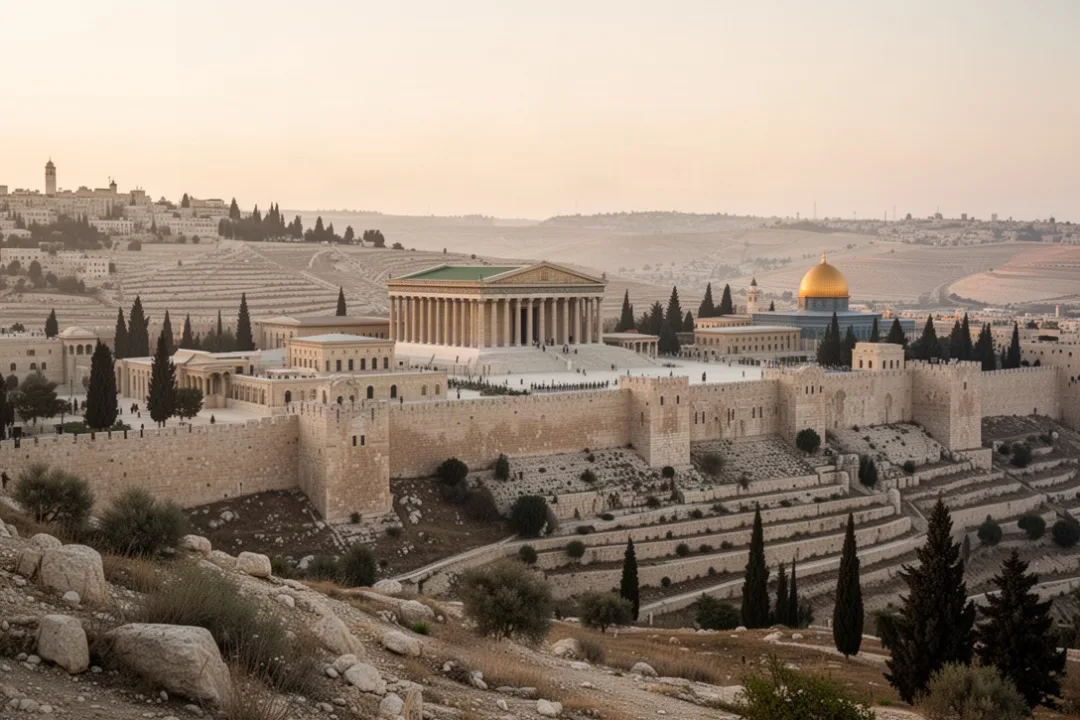
Judah’s territory was smaller than Israel’s, but it possessed major advantages. Jerusalem served as its political and religious capital, and the temple established by Solomon stood there. The kingdom also benefited from the symbolic and dynastic importance of the Davidic line, which biblical writers connect with God’s promise to David in 2 Samuel 7.
The two kingdoms often fought each other, although they also formed temporary alliances against outside enemies. Judah’s location made it vulnerable to pressure from Egypt, Aram-Damascus, Israel, Assyria, and Babylon. Its kings repeatedly had to balance military defense, regional diplomacy, tribute payments, and internal religious concerns.
Why the lists sometimes differ: Ancient kingdoms commonly counted reigns through co-regencies, and biblical books may use different dating systems. As a result, dates for some kings are approximate and can vary by a year or more.
The books of 1 and 2 Kings evaluate Judah’s rulers mainly through their faithfulness to Jerusalem’s worship and the covenant traditions associated with David. The books of Chronicles retell much of the same period with greater attention to the temple, priests, Levites, worship, and the religious reforms of selected kings.
The kings of Judah in chronological order
The following sequence includes the rulers normally identified as kings of Judah. Athaliah, a queen who seized the throne, is included because she ruled Judah for several years even though she was not a king.
Rehoboam — about 931–913 BCE
Abijah, also called Abijam — about 913–911 BCE
Asa — about 911–870 BCE
Jehoshaphat — about 870–848 BCE
Jehoram — about 848–841 BCE
Ahaziah — about 841 BCE
Athaliah — about 841–835 BCE
Joash, also called Jehoash — about 835–796 BCE
Amaziah — about 796–767 BCE
Uzziah, also called Azariah — about 767–740 BCE
Jotham — about 740–732 BCE
Ahaz — about 732–716 BCE
Hezekiah — about 716–687 BCE
Manasseh — about 687–642 BCE
Amon — about 642–640 BCE
Josiah — about 640–609 BCE
Jehoahaz — 609 BCE
Jehoiakim — about 609–598 BCE
Jehoiachin — about 598–597 BCE
Zedekiah — about 597–586 BCE
These dates are a helpful framework rather than a perfectly fixed calendar. Ancient chronological records can reflect different ways of counting a king’s first partial year, and some rulers shared power with their sons before a formal succession. Names can also vary between translations. For example, Uzziah and Azariah refer to the same king, as do Joash and Jehoash.
What happened to the kingdom after Zedekiah
Zedekiah was the final ruling king of Judah before the Babylonian conquest. Babylonian forces captured Jerusalem, destroyed the temple, broke through the city’s defenses, and deported many people. The biblical account places the destruction of Jerusalem around 586 BCE, although some historical discussions use 587 BCE because of differing chronological calculations.
Judah no longer existed as an independent Davidic kingdom after that event. Babylon appointed local administrators over the conquered territory, and later the Persian Empire allowed some Judean exiles to return. The Davidic monarchy, however, was not restored as a sovereign kingdom in the ancient period.
What each king of Judah is known for
Rehoboam through Jehoshaphat
Rehoboam is remembered for the decision that helped divide the united monarchy. His harsh response to the northern tribes intensified an existing political crisis. During his reign, the Egyptian pharaoh Shishak attacked Jerusalem and carried away treasures from the temple and royal palace, according to 1 Kings 14 and 2 Chronicles 12.
Abijah had a short reign and fought Jeroboam of Israel. The biblical accounts differ in emphasis: Kings gives a brief assessment, while Chronicles presents a speech in which Abijah appeals to the Davidic covenant and the temple’s priestly system. His reign did not establish a long-term religious or political transformation.
Asa ruled for many decades and is generally remembered as one of Judah’s stronger kings. He removed several forms of forbidden worship and sought to strengthen the kingdom’s religious identity. His reign also included conflicts with Israel and a serious illness late in life. The biblical evaluation praises his earlier reforms but criticizes his reliance on a foreign political alliance rather than seeking God’s help.
Jehoshaphat expanded Judah’s administrative and military strength and maintained a close relationship with the northern kingdom at certain points. He is associated with efforts to teach the law throughout Judah and with judicial reforms. At the same time, his alliances with Israel created political and religious complications, especially through marriage connections between the royal families.
Jehoram through Uzziah
Jehoram faced rebellions from Edom and other neighboring territories. His reign is portrayed negatively because he followed the religious practices associated with the house of Ahab, the northern royal family. His marriage to Athaliah, daughter or close relative of Ahab’s dynasty, linked Judah to Israel’s powerful but controversial ruling house.
Ahaziah ruled only briefly. He was connected to the northern king Joram and was killed during the revolt led by Jehu, according to 2 Kings 9. His death created a succession crisis in Judah and opened the way for Athaliah to claim the throne.
Athaliah is the only woman described as ruling Judah in her own right. She attempted to eliminate potential rivals from the royal family, but the infant Joash was hidden and preserved by members of the priestly household. After several years, a palace and temple coup placed Joash on the throne and ended Athaliah’s rule.
Joash became king as a child under the protection and guidance of the priest Jehoiada. His reign is especially associated with repairs to the temple, which had fallen into disrepair. After Jehoiada died, Joash’s policies changed, and the biblical account criticizes his later abandonment of the reforms. He was eventually assassinated by his officials.
Amaziah strengthened Judah militarily and defeated Edom. His success contributed to overconfidence, and a confrontation with Israel ended in Judah’s defeat and the breach of Jerusalem’s defenses. Amaziah was later killed in a conspiracy. His reign illustrates a recurring theme in the biblical narratives: military achievement could become dangerous when separated from humility and wise judgment.
Uzziah, also called Azariah, had one of the longer and more successful reigns in Judah. He developed the army, improved defenses, and expanded Judah’s influence in the region. The biblical account says that his pride led him to enter the temple and perform a priestly act reserved for priests. He then suffered a skin disease and lived separately for the rest of his rule, with his son Jotham handling royal responsibilities.
Jotham through Hezekiah
Jotham continued many of his father’s administrative and building efforts. His reign took place during a period of increasing pressure from Aram and Israel. Although Jotham is evaluated relatively favorably, the high places—local worship sites that biblical reformers often opposed—were not fully removed during his rule.
Ahaz faced a major military crisis when Aram and Israel attacked Judah. Instead of relying on a regional coalition, he appealed to Assyria for help and offered tribute from the temple and royal treasury. Assyria did relieve the immediate threat, but Judah became dependent on the empire. Ahaz is also criticized for religious practices that the biblical writers regarded as deeply unfaithful.
Hezekiah reversed many of Ahaz’s policies and became one of Judah’s most prominent reforming kings. He removed unauthorized worship sites, challenged the religious objects associated with earlier practices, and centralized worship in Jerusalem. The bronze serpent called Nehushtan, which had become an object of worship, was destroyed according to 2 Kings 18.
Hezekiah also prepared Judah for the Assyrian threat. He strengthened Jerusalem’s defenses and is associated with the construction of a water tunnel that brought the Gihon Spring’s water into the city. During the reign of Assyrian king Sennacherib, Assyria invaded Judah and captured many fortified towns, but Jerusalem was not taken in the biblical account.
Hezekiah’s reforms and Josiah’s reforms were not identical: Hezekiah is linked with removing unauthorized worship and religious objects, while Josiah is especially associated with a major covenant renewal and the centralization of worship after a scroll of the law was found in the temple.
Manasseh through Zedekiah
Manasseh ruled longer than any other king of Judah in the biblical chronology. His reign reversed many of Hezekiah’s reforms and is portrayed as a period of idolatry, injustice, and covenant violation. Second Kings connects Judah’s later disaster with the sins of Manasseh, although 2 Chronicles also describes a period of repentance after his capture and humiliation.
Amon ruled for only two years before being assassinated by his officials. The people of Judah then killed the conspirators and placed Amon’s son Josiah on the throne. This response suggests that the population wanted to preserve the Davidic succession even amid palace instability.
Josiah became king as a child and later initiated the most extensive religious reform in Judah’s history. During repairs to the temple, a scroll identified with the law was found. After hearing it, Josiah sought to renew the covenant, remove unauthorized religious objects, and bring worship under the control of Jerusalem.
Josiah’s reform reached beyond Judah into areas formerly associated with the northern kingdom. He also celebrated a major Passover, described in 2 Kings and 2 Chronicles as unusually significant. Despite these efforts, the biblical narrative says that Judah’s accumulated wrongdoing, especially under Manasseh, meant that judgment would still come.
Josiah died at Megiddo after confronting Pharaoh Neco of Egypt. His death left Judah politically vulnerable. Jehoahaz succeeded him but was removed by the Egyptian pharaoh after only a short time. Jehoiakim then became king and paid tribute to Egypt before later falling under Babylonian control.
Jehoiakim faced pressure from shifting imperial powers. Babylon defeated Egypt and extended its influence over Judah, but Jehoiakim rebelled. He died during a period of upheaval, and his son Jehoiachin became king. Jehoiachin surrendered to Babylon after a short reign and was deported along with members of the royal court and skilled workers.
Zedekiah, Jehoiachin’s uncle, was installed by Babylon as a dependent ruler. He later rebelled, despite warnings from the prophet Jeremiah. Babylon besieged Jerusalem, and the city eventually fell. Zedekiah was captured, his sons were killed before him, and he was taken to Babylon. The temple and city were destroyed, marking the end of Judah’s monarchy.
Which kings were considered faithful or unfaithful
The biblical writers do not judge the kings only by battlefield success, wealth, or length of reign. Their central question is whether a ruler remained faithful to the worship of Israel’s God, the covenant, and the temple in Jerusalem. This explains why a king could achieve military success yet receive a mixed evaluation, while another could be criticized politically but remembered for religious reform.
Judah’s kings are often described through a repeated formula: a ruler either did what was right or did what was evil in the sight of the Lord. The formula is not a complete biography. It provides a theological assessment and then points readers toward fuller episodes involving war, construction, diplomacy, succession, or prophetic confrontation.
Generally praised: Asa, Jehoshaphat, Hezekiah, and Josiah receive substantial praise, although each has weaknesses or incomplete reforms.
Mixed evaluations: Joash, Amaziah, Uzziah, and Jotham accomplish important things but also fail in significant ways.
Strongly criticized: Rehoboam, Jehoram, Ahaz, Manasseh, Amon, Jehoiakim, and Zedekiah are associated with serious political or religious failures.
Short or disputed reigns: Abijah, Ahaziah, Athaliah, Jehoahaz, and Jehoiachin ruled during periods of instability and received less space in the biblical narrative.
The phrase “high places” requires careful interpretation. In the biblical texts, these locations could be local shrines or elevated worship sites. Some kings are praised even though the high places remained, while reformers such as Hezekiah and Josiah are praised for removing them. The issue was not simply geography; it concerned who controlled worship, which rituals were practiced, and whether worship was directed according to the covenant traditions presented by the biblical writers.
Prophets served as independent voices during the reigns of Judah’s kings. Isaiah addressed the dangers of Assyria and the political choices made by Ahaz and Hezekiah. Jeremiah warned Judah during the final years before Babylon’s conquest. Micah criticized social injustice, while Zephaniah and Nahum spoke in settings marked by international conflict and religious crisis.
The prophets did more than predict military events. They challenged oppression, corruption, exploitation of the poor, empty religious rituals, and misplaced trust in political alliances. Their message was that temple worship could not compensate for injustice or disobedience. This prophetic perspective shaped how later generations remembered the kings.
Why Judah survived longer than Israel
The northern kingdom of Israel fell to Assyria in the late eighth century BCE, while Judah survived for roughly another century and a half. Several factors contributed to the difference. Judah had the defensible capital of Jerusalem, a more compact territory, and at times benefited from the weakness or distance of larger empires.
Judah also experienced periods of effective leadership. Hezekiah’s preparation for Assyrian invasion helped preserve Jerusalem, even though much of the surrounding territory suffered. Later, Assyria’s decline created a window in which Josiah could extend his influence and carry out reforms before Babylon became the dominant regional power.
Religious identity also strengthened Judah’s sense of continuity. Jerusalem’s temple, the Davidic dynasty, and traditions connected with the covenant gave the kingdom a central national story. That story did not prevent conquest, but it helped preserve the community’s identity through exile and later Persian rule.
Survival should not be confused with immunity. Judah repeatedly paid tribute, lost territory, endured palace coups, and faced foreign armies. Its final collapse came when Babylon became the leading power and Zedekiah’s rebellion brought a direct military response.
How to study the kings of Judah accurately
The best way to understand Judah’s monarchy is to read across several biblical books rather than relying on a single list. 1 and 2 Kings provide the main chronological narrative, while 1 and 2 Chronicles revisit the same rulers with different emphases. The prophets illuminate the moral and political pressures of particular periods.
For example, Hezekiah’s reign can be studied through 2 Kings 18–20, 2 Chronicles 29–32, and Isaiah 36–39. Josiah’s reforms appear in 2 Kings 22–23 and 2 Chronicles 34–35, while Jeremiah provides a perspective on the final decades before Jerusalem’s fall. Comparing these passages reveals both shared events and different theological purposes.
Keep these points in mind when reading:
Separate Judah from Israel. After the division, the two kingdoms had different royal lines, capitals, political pressures, and religious developments.
Watch for alternate names. Uzziah is also called Azariah, Jehoiachin is also called Jeconiah or Coniah, and Joash is also called Jehoash.
Expect approximate dates. Co-regencies and different methods of counting regnal years can produce small chronological differences.
Read evaluations in context. A short statement that a king did right or wrong does not describe every event in his reign.
Notice the prophets. Their speeches explain why military and political events carried religious meaning for the biblical writers.
Archaeological and ancient Near Eastern evidence can also provide historical context. Inscriptions and royal records from Assyria and Babylon mention rulers, campaigns, tribute, and the destruction or capture of cities in the region. Such evidence does not answer every question, but it helps place Judah’s kings within the broader political world of the ancient Near East.
The history of the kings of Judah therefore has several layers. It is a record of a real ancient kingdom with changing alliances and military threats. It is also a theological interpretation of kingship, centered on covenant faithfulness, the temple, justice, and the fate of the Davidic line. Reading both layers together explains why the biblical account gives as much attention to religious decisions as to battles and building projects.
Frequently asked questions
How many kings did Judah have?
Judah had 20 male kings from Rehoboam through Zedekiah, according to the usual biblical sequence. Athaliah also ruled for about six years, bringing the number of monarchs who occupied Judah’s throne to 21 if she is included. Some lists handle her separately because she was a queen rather than a king.
Who was the best king of Judah?
Hezekiah and Josiah are most often viewed as Judah’s outstanding reforming kings. Hezekiah resisted Assyria and centralized worship in Jerusalem, while Josiah renewed the covenant and removed many unauthorized practices. Neither ruler was flawless, so “best” depends on whether you emphasize religious reform, political leadership, military strategy, or the biblical evaluation of faithfulness.
Who was the last king of Judah?
Zedekiah was the last king to rule Judah before Babylon destroyed Jerusalem. He reigned as a Babylonian-appointed ruler but later rebelled. After a long siege, Jerusalem fell, the temple was destroyed, and Zedekiah was taken to Babylon. Jehoiachin remained an important Davidic figure in exile, but he did not regain Judah’s throne.
Were the kings of Judah related to King David?
Yes. The kings of Judah generally belonged to the Davidic royal line, beginning with David’s son Solomon and continuing through the kingdom’s fall. There were interruptions caused by assassination, usurpation, and Athaliah’s seizure of power, but the dynasty was restored through Joash. This continuity is central to the biblical understanding of Judah’s monarchy and later messianic expectations.











Leave a Reply