Miraculous Healings: Real Stories, Science, and Insights
Miraculous Healings: Real Stories, Science, and Insights
Across history and across cultures, people have described moments when illness or injury seemed to shift in an instant,
when the body appeared to recover in ways that conventional medicine could not readily explain. These moments are often
framed as miraculous healings, but they also invite careful questions about biology, psychology, culture,
and faith. This article explores miraculous healings and related ideas through real stories, scientific
perspectives, and practical insights. We will use a balanced approach that honors personal experience while examining
what science can and cannot claim about these extraordinary recoveries.
Defining the phenomenon: What do we mean by miraculous healings?
The phrase miraculous healings can refer to a spectrum of phenomena. At one end are events widely
regarded as divine intervention or sacred signs by communities of faith. At another end are
medically verifiable recoveries that surprise clinicians or families but may be compatible with known biological
processes. Between these poles lie cases described as extraordinary recoveries, where the outcome is
improbable given the initial diagnosis yet remains compatible with medical explanation once new information emerges.
To think clearly about this topic, it helps to distinguish several closely related terms:
Miraculous healings — often framed as supernatural or divine in origin, inspiring awe and faith-based interpretation.
Extraordinary recoveries — medical outcomes that are unusual but not necessarily inexplicable.
Spontaneous remission — improvement without a clear medical cause, sometimes documented in chronic illnesses.
Paranormal healing — claims that involve forces or energies beyond current scientific understanding.
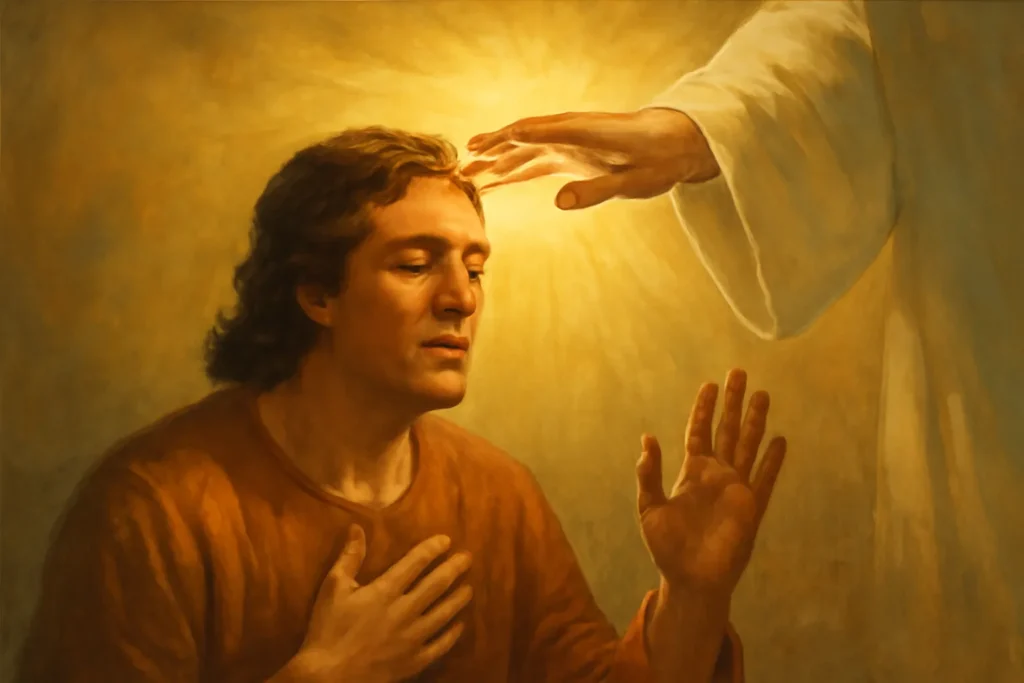
Faith-based healing — healing attributed to prayer, laying on of hands, rituals, or contemplative practices.
The challenge for researchers and readers is to hold both respect for personal narratives and a commitment to rigorous
inquiry. stories of healing are powerful, and they often carry meaning beyond what the body alone can reveal. At the
same time, medical science seeks causal explanations grounded in testable evidence. This article aims to illuminate
how these perspectives intersect, where they diverge, and what we can learn from each.
Real stories and case narratives: accounts from different worlds
Across decades and continents, people have shared real stories of healing that have touched
families and communities. Some narratives emerge from sacred sites and pilgrim trails, others from hospital corridors,
and others from personal journeys of prayer, mindfulness, or alternative therapies. While not all anecdotes meet the thresholds
of scientific proof, they can still shape beliefs, coping strategies, and decisions about treatment.
Historical and cultural contexts
Many cultures maintain long-standing expectations about healing as a process that involves body, mind, and spirit. In some
religious traditions, sites believed to be blessed or infused with grace become focal points for prayer, pilgrimage, and
community support. In other settings, families describe miraculous recoveries following rituals,
blessings, or the perceived intervention of spiritual healers. It is essential to respect the dignity of these experiences
while recognizing that they arise within social and cultural frameworks that give meaning to suffering and relief.
Modern case narratives
Contemporary stories often involve complex medical histories and a tapestry of explanations. Consider narratives that involve
a surprising turn in illness trajectories, followed by renewed medical evaluations that prompt new hypotheses. In some cases,
doctors reclassify diagnoses after new tests or longer observation periods, which can turn a seemingly impossible recovery into a
plausible medical event. In others, patients and families attribute the outcome to prayer, supportive community,
or personal transformations such as improved nutrition, stress reduction, and adherence to treatment regimens.
A hallmark of credible reportage is transparency about what is known and what remains uncertain. When a case is shared publicly,
it is often accompanied by documentation: dates of symptoms, test results, treatment plans, and follow-up outcomes. Even with
careful records, however, the line between faith-based interpretation and scientific explanation can
blur. That is not a flaw of the stories themselves but a reminder of the different languages we use to describe healing.
The science lens: what research says about miraculous claims
The scientific study of healing does not deny the possibility of extraordinary recoveries. Rather, it seeks to understand
patterns, mechanisms, and conditions that increase the likelihood of improvement, even when the outcome appears improbable.
Several well-documented scientific concepts are relevant to miraculous healings and similar claims.
Placebo effects, expectation, and the brain
A powerful and well-supported idea in medicine is the placebo effect: when patients believe they will improve,
their symptoms often change even in the absence of active treatment. Belief and expectation can trigger physiological processes in
the brain and body, including endorphin release, modulation of pain pathways, and shifts in stress-related hormones. These changes can
lead to real, measurable improvements in symptoms such as pain, fatigue, and mood. While the placebo effect does not explain all
remarkable recoveries, it is a robust reminder that the mind and nervous system play a crucial role in healing.
Spontaneous remission and the natural history of disease
Some illnesses have natural courses that include periods of improvement without intervention. In chronic diseases, a percentage of
patients may experience partial or complete remission over time, independent of any specific treatment. Spontaneous remission
does not imply magic; rather, it reflects the biological variability of many conditions. When researchers study rare or dramatic healings,
they must carefully consider the baseline probability of improvement and the timing of diagnostic tests to avoid attributing causality
to coincidental changes.
Diagnostic uncertainty, misdiagnosis, and measurement challenges
Illnesses with overlapping symptoms or ambiguous test results can lead to initial misdiagnosis. As understanding evolves, a patient might
receive a corrected diagnosis, which can create the impression that a miracle occurred when, in fact, the medical picture clarified.
Moreover, improvements documented at different intervals may reflect measurement sensitivity, changes in criteria, or the effects of
concurrent therapies. Recognizing these factors helps readers evaluate extraordinary claims with nuance and care.
Intersections of faith, culture, and medicine: why beliefs matter
Faith, spirituality, and ritual practices are central to how many people experience health and illness. They shape what counts as
healing, who is seen as responsible for healing, and how communities respond to suffering. This section examines how belief systems
relate to healing outcomes without assuming that belief alone is a universal mechanism for physical change.
Psychosocial support from faith communities can reduce isolation, improve adherence to care, and boost resilience.
Stress reduction through prayer, meditation, or contemplative practice can alter autonomic function and inflammation.
Cultural narratives provide meaning, which can influence decision-making, coping styles, and motivation to pursue treatment.
Ethical considerations in faith-based healing claims
Balancing respect for patient autonomy with the duty to provide evidence-based care.
Guarding against exploitative practices that promise cures but exploit vulnerability.
Encouraging clear communication between patients, families, and health professionals to avoid harmful delays in effective treatment.
Ethical considerations and responsible reporting
Reporting on healing claims requires careful ethics. The danger of sensationalizing extraordinary recoveries can discourage rational
medical care or promote unverified therapies. Responsible storytelling emphasizes the following:
Documented medical history, test results, and timelines when available
Acknowledgment of uncertainties and alternative explanations
Respect for patient privacy and consent when sharing personal stories
Clear distinction between anecdotal accounts and peer-reviewed evidence
For journalists, clinicians, researchers, and readers alike, the goal is to honor the human experience of healing while maintaining
scientific integrity. This balance helps communities learn from powerful narratives without drawing conclusions beyond what the data can
support.
Implications for everyday health: what readers can take away
Even when a story is not scientifically proven, it can offer valuable lessons for everyday health and wellbeing. Some practical takeaways include:
Open communication with healthcare providers about symptoms, concerns, and treatment preferences.
Integrating mind-body practices, such as mindfulness or guided relaxation, to support overall well-being in conjunction with medical care.
Maintaining realistic expectations while cultivating a hopeful mindset that is grounded in evidence-based medicine.
Being mindful of potential biases in both personal narratives and media reports that might amplify extraordinary claims.
It is also important to recognize that healing does not always mean a cure in the biomedical sense. Healing can be understood
as a restoration of dignity, function, and quality of life—outcomes that matter deeply to patients and families even when disease persists.
This broader view invites a compassionate approach to care, where science and meaning-making can coexist.
What research might uncover in the future
The study of healing is an interdisciplinary field that spans medicine, psychology, neuroscience, theology, and anthropology. Some
promising directions for future inquiry include:
Advances in psychoneuroimmunology that explore how stress, emotion, and social context influence immune function and disease trajectories.
Explorations of neurobiology underlying placebo responses and the brain–body communication networks that shape symptom perception.
Integrative medicine approaches that combine evidence-based conventional care with safe complementary practices to support patient goals.
Better methods for documenting and evaluating unexplained recoveries through rigorous case reporting, registry data, and long-term follow-up.
As science advances, our language about healing may evolve. Some researchers advocate for a biopsychosocial model that
recognizes biological processes, psychological states, and social environments as interacting drivers of health. In this view, miraculous healings might be understood not as solitary anomalies but as outcomes shaped by an intricate web of factors
that science is gradually learning to describe.
Key questions to ponder when encountering extraordinary claims
For readers seeking clarity, here are practical questions that can guide thoughtful evaluation:
What is the level of medical documentation available (diagnoses, imaging, lab results, and physician notes)?
Was the diagnosis revisited or revised after the alleged healing event?
Is there evidence of alternative explanations (natural disease course, misdiagnosis, or statistical chance)?
What is the quality and independence of the information sources reporting the story?
How do patient values, preferences, and cultural contexts shape the interpretation of the outcome?
Insights for caregivers, clinicians, and communities
The conversation about miraculous healings can be constructive when it fosters empathy, curiosity, and
diligent skepticism. Here are some insights for different roles:
For caregivers and families
Support holistic well-being, including physical, emotional, and social needs.
Document symptoms and changes carefully to aid ongoing medical assessment.
Seek second opinions when diagnoses or treatment plans are uncertain.
For healthcare professionals
Acknowledge patient beliefs and the emotional significance of recovery stories.
Provide clear explanations about what is known, what remains uncertain, and what could be tried next.
Encourage evidence-based approaches while remaining open to patient values and preferences.
For communities and media
Aim for responsible reporting that distinguishes experience from inference.
Support access to reliable information and avoid sensationalism that could mislead vulnerable individuals.
Celebrate legitimate scientific findings while honoring the dignity of personal narratives.
Conclusion: toward a nuanced understanding of healing
The phenomenon of miraculous healings sits at the intersection of mystery and method. Personal testimonies,
cultural meanings, and religious frameworks give color and significance to the experience of healing. Science, with its emphasis
on evidence, mechanisms, and reproducibility, seeks to understand the conditions under which health can improve—even when the path
is not straightforward. Rather than choosing between faith and reason, many people find that a blended approach offers the most
humane and effective way to respond to illness: to pursue medically sound care, to cultivate psychosocial well-being, and to hold
space for hope, awe, and meaning.
Whether you interpret a healing as a miracle, a misdiagnosis corrected, a spontaneous remission, or a triumph of patient resilience,
the underlying message remains powerful: humans care deeply about health, community, and the possibility that recovery is possible
even in the face of daunting odds. By listening with openness, evaluating claims thoughtfully, and prioritizing patient-centered care,
we can honor the varied experiences people bring to the table while continuing to advance knowledge about how healing works.









Leave a Reply