Introduction: The Role of Prayer in Pain Management
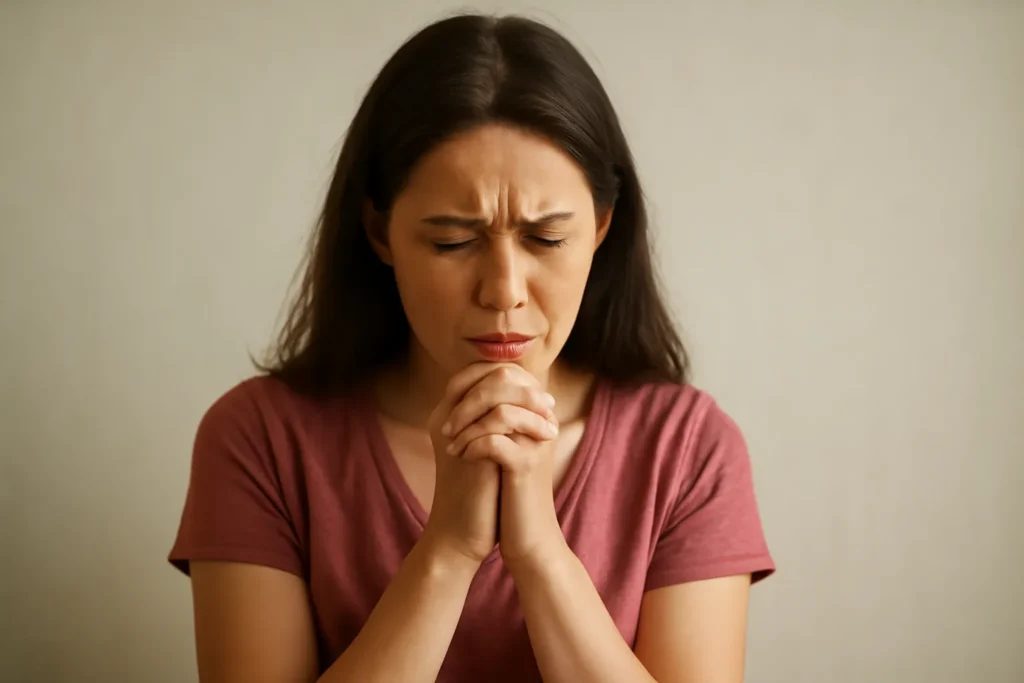
For many people, prayer is a source of comfort, hope, and a sense of connection when pain becomes a heavy companion. The request to pray for pain relief or to seek relief through prayer is not just about the body; it often touches the mind, heart, and spirit. While medicine and clinical care address physical pathways and symptoms, spiritual practice can influence the way a person experiences pain by shaping attention, reducing distress, and fostering a sense of meaning and support.
This article offers an informative look at how people approach uplifting prayers and practical tips for pain relief. It explores what it can mean to pray for pain relief, the kinds of prayers and spiritual practices that accompany physical well-being, and concrete steps to integrate prayer with everyday self-care. The goal is not to prescribe a single path, but to illuminate options that may resonate with different beliefs, cultures, and personal preferences.
The Mind-Body Connection: How Prayer Can Influence the Experience of Pain
Pain perception is a complex interaction of physiology, emotion, cognition, and environment. The pain experience can be amplified by fear, anxiety, and negative expectations, but it can also be softened by calm, reassurance, and a sense of connection. Prayer for pain relief often engages several pathways:
Attention shift: Focusing on a comforting image or sacred text can divert attention from discomfort and reduce cognitive load related to pain.
Emotional regulation: Prayer can lower stress responses, promote gratitude, and cultivate acceptance, which may lessen emotional distress linked to pain.
Social and relational support: Shared rituals or intercessory prayer can foster a sense of belonging and support, even when pain isolates us.
Meaning-making: Framing pain as an experience that has purpose or significance can help someone tolerate discomfort with resilience.
It is important to recognize that prayer for pain relief does not guarantee a specific outcome, nor does it replace medical advice. Rather, it contributes to a holistic approach that honors both the body and the spirit, offering a sense of empowerment, not despair.
Different Ways to Pray for Pain Relief
People access relief through a variety of spiritual practices. The following approaches can be used individually or in combination, depending on personal beliefs and preferences.
Common forms of prayer for relief
Supplication or petition: Direct requests for relief, healing, or comfort.
Intercessory prayer: Prayers offered for the well-being of others who are suffering, which can also bring a sense of shared burden and connection.
Gratitude-focused prayer: Expressing thankfulness for small mercies and moments of relief, which can shift mood and perception of pain.
Contemplative or silent prayer: Quiet presence with the pain, practicing acceptance and nonjudgmental awareness.
Scriptural or devotional reading: Repeating sacred passages or words that provide reassurance and strength.
Prayers in daily life
Morning intentions: A brief prayer to set the tone for the day and acknowledge pain without letting it define the day.
Evening reflections: A time to review its impact, offer forgiveness, and invite rest and healing for tomorrow.
Breath-centered prayers: Short phrases repeated with paced breathing to calm the nervous system.
Regardless of the form, the most effective approach is one that feels authentic. The prayer for pain relief should fit within your beliefs, culture, and personal life. If a certain tradition is meaningful, lean into it; if not, craft a practice that aligns with your own spirituality or worldview.
Uplifting Prayers for Pain Relief
Below are sample prayers and prompts that illustrate how a person might frame a request for relief while honoring dignity, hope, and courage. Use them as templates or adapt them to your own language and beliefs.
Dear Creator/Divine Source/Comforter, I come with a heavy body and a weary heart. Please bring relief to this pain that I endure. If it is Your will, grant me the strength to endure each moment, the clarity to seek the right care, and the courage to accept what cannot be changed. May my body be healed, my mind steadied, and my spirit uplifted. Surround me with love, patience, and gentle hands. Amen.
Prayer of comfort and endurance
Gracious One, in the quiet moments when the ache returns, help me find comfort and calm. Let a soft light of hope rise in my chest, guiding me toward rest and relief. May I be patient with the process, nurture other parts of my life, and know that I am not alone in this journey. Amen.
Intercessory prayer for loved ones who suffer
Source of compassion, I lift up those who suffer in body and spirit. Please bring pain relief to them, ease their fears, and grant them the support they need from family, friends, and caregivers. May their days be lighter, and may they feel your presence in moments of stillness and in the rush of daily life. Amen.
Guided mantra for daily practice
Repeat slowly with breath: “Be still, be held, be at ease.” With each exhale, release a portion of the pain you carry. With each inhale, invite calm and relief. This simple practice can be used during moments of heightened discomfort or before sleep.
If you follow a particular faith tradition, feel free to incorporate familiar phrases, prayers, or scriptures that resonate with you. The important part is that the practice feels personal and sustaining.
Practical Tips to Complement Prayer for Pain Relief
Spiritual practice is powerful, but it works best when paired with practical, evidence-informed strategies for self-care. Here are actionable steps to support pain relief alongside prayer.
1) Nurture the body with gentle, respectful care
Consult healthcare professionals for a proper assessment and treatment plan. Prayer for pain relief should complement, not replace, medical care.
Use appropriate therapies such as physical therapy, proper medications as prescribed, and non-pharmacologic approaches like heat/cold therapy, massage, or acupuncture if recommended.
Move gently with low-impact activities (e.g., stretching, walking, tai chi) to maintain flexibility and reduce stiffness, as advised by a clinician.
2) Cultivate a mindful approach to pain
Breathing exercises can reduce sympathetic arousal and lessen the sensation of pain.
Body awareness practices help distinguish between sharp sensations and emotional responses, enabling a more balanced experience of discomfort.
Grounding techniques (like naming objects in the room or describing textures) can reduce distress during painful episodes.
3) Sleep and rest, as essential allies
Create a pre-sleep routine that supports rest, such as a short prayer or reflection, gentle stretching, and a cool, dark environment.
Aim for consistent sleep-wake times to support healing and mood.
4) Nutrition and hydration
Balanced meals and hydration can influence energy and mood, which in turn affect pain perception.
Identify foods or patterns that seem to worsen or ease symptoms, and discuss adjustments with a healthcare provider if needed.
5) Emotional and social support
Share your pain journey with trusted friends or family; prayerful community support can provide reassurance and reduce isolation.
Consider joining a support group or faith community where you can engage in shared practices and receive encouragement.
6) Purpose and meaning as resilience factors
Reflect on what gives your life purpose beyond pain. This can alter the emotional weight of suffering and enhance coping.
Engage in activities that matter to you in ways that are possible given your condition.
How to Create a Personal Prayer Routine for Pain Relief
A practical routine helps turn intention into habit. Here are steps to build a personal practice that supports pain relief through prayer.
Define your intention: Decide what you are seeking—peace, relief from specific symptoms, or acceptance in the face of chronic pain.
Choose your form: Select a method that feels sustainable—daily breath prayers, scriptural recitation, contemplative silence, or a mix.
Set a time and place: Create a calm space and a predictable time, even if it is just a few minutes each day.
Use a short structure to begin: a moment of quiet, a prayer or verse, a request for relief, and a time of gratitude or release.
Encourage flexibility: If pain makes sitting still difficult, adjust the practice to stand, walk slowly, or lie down while maintaining focus on breath and intention.
Record reflections: Keep a simple journal of what you prayed for, what you noticed, and any changes in pain or mood. This can reveal patterns and progress over time.
Remember that a routine should feel nourishing, not burdensome. If a daily practice feels heavy, try a lighter cadence—three times a week or even once per day—and gradually adjust as it feels right.
Community and Shared Prayer: The Power of Intercession
Many people find strength in gathering with others for prayer, whether in person or virtually. Shared prayer can amplify a sense of solidarity and remind you that you are not alone in your struggle with pain.
Group prayers can provide a sense of accountability and encouragement to maintain practical self-care strategies alongside spiritual practice.
Interfaith or interdenominational settings may offer broader perspectives on healing and resilience while honoring your beliefs.
Online communities provide access to scriptures, prayers, and meditative practices that can be used at any time, wherever you are.
When participating in communal prayer for pain relief, it can be helpful to be explicit about boundaries and needs. Communal prayer should support autonomy and respect personal preferences, including the choice to pursue medical treatment and other healing modalities.
Common Questions about Prayer for Pain Relief
Q: Does prayer “work” for pain relief?
The answer is nuanced. For many people, prayer can reduce distress, increase a sense of control, and improve mood, which can indirectly influence how pain is experienced. It is not a guaranteed physiological cure, and it should be considered as part of an integrated approach that includes medical care, lifestyle adjustments, and psychosocial support.
Q: Can I pray for others and for myself at the same time?
Yes. Intercessory prayer for others often deepens a sense of connection and compassion, while personal prayers for relief can address your own needs. Balancing both can be a meaningful practice that honors both giving and receiving support.
There is no universal time. Some people find a brief routine of a few minutes is enough to center themselves, while others benefit from longer periods of reflection. The key is consistency and responsiveness to what your body and spirit need in the moment.
Q: What if science or medicine conflicts with my prayer practices?
It is common for spiritual beliefs to complement medical treatment. Work with your healthcare providers to align your prayer practices with the medical plan. When possible, seek options that respect both medical advice and spiritual comfort.
Conclusion: Nurturing Hope through Prayer and Practical Self-Care
So, how should a person think about praying for pain relief? The most helpful view is to see prayer as part of a broader, holistic approach that honors the dignity of the person suffering. By pairing sacred intention with practical self-care, it is possible to cultivate hope, reduce distress, and support natural healing processes—whatever form healing may take.
In this light, uplifting prayers become more than expressions of longing. They are acts of presence—moments when you choose to meet pain with courage, to invite comfort, and to trust that you are worthy of relief and rest. Pair these prayers with gentle movement, restorative rest, and compassionate care from professionals and loved ones. The combination can create a resilient practice that sustains you through difficult days and helps you recognize even small signs of improvement.
If you are exploring how to pray for relief from pain, consider starting with a simple ritual that fits your life. Perhaps you begin with a morning breath prayer, a brief reading, and a moment of quiet listening to your body. In the evening, you might reflect on the day’s sensations, acknowledge your efforts, and offer gratitude for moments of relief, however small. With time, your practice can become a trusted source of steadiness and hope.
Finally, remember that you are not alone on this path. Many people around the world turn to prayer for pain relief as a source of strength, connection, and meaning. Embrace what resonates with you, remain open to new practices, and keep an honest conversation with your healthcare team about the role prayer plays in your healing journey. In the end, the goal is not merely to erase pain but to cultivate a life of dignity, care, and resilience in the face of it.











Leave a Reply