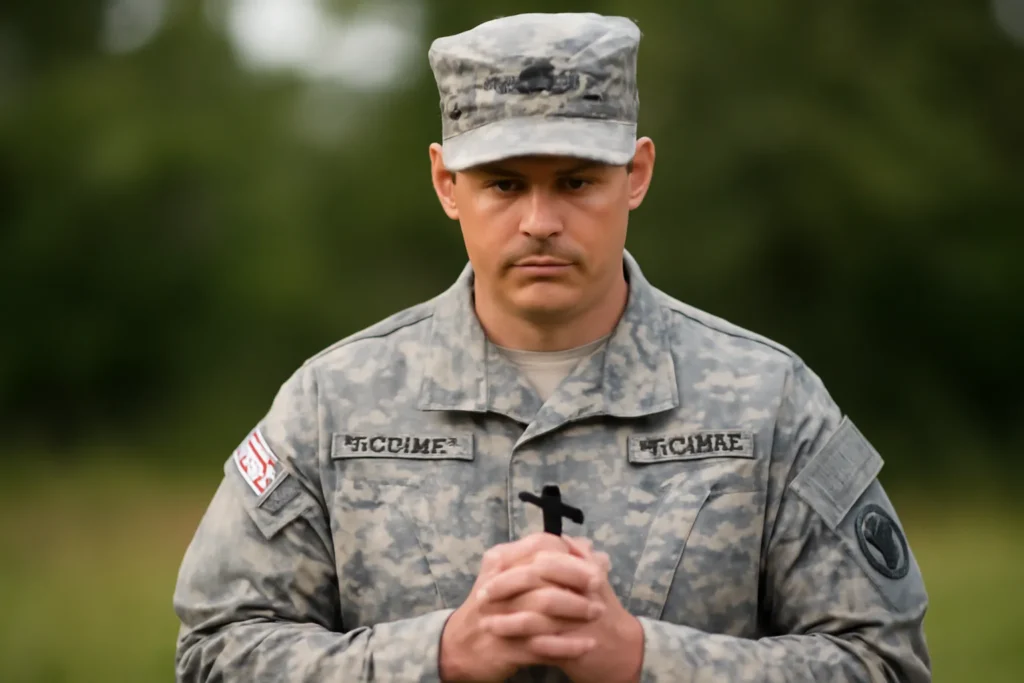
A US Army Reserve chaplain serves as a commissioned officer and spiritual leader within the United States Army Reserve. Whether operating on a weekend drill site, deployed to a combat zone, or stationed at a domestic base, the Army Reserve chaplain provides religious support, counseling, and ethical guidance to soldiers, civilian employees, and their families. The role blends religious vocation with military service, requiring both pastoral leadership and an understanding of military culture, operations, and chain of command. In the broader landscape of the U.S. military, this position may be referred to as an Army Reserve chaplain, a Reserve chaplain, or a chaplain in the Army Reserve. Across faith traditions, these officers stand as a bridge between spiritual care and operational readiness.
The purpose of the Army Reserve chaplain program is clear: to ensure that every member of the force has access to a trusted spiritual advisor, regardless of faith or denomination. This service is provided in close partnership with the installation commander, unit leaders, and clinical or behavioral health professionals. The chaplain’s remit covers not only worship services and rites, but also confidential pastoral counseling, crisis intervention, ethical consultation, and religious accommodation for unique circumstances.
Roles and Responsibilities of a US Army Reserve Chaplain
The tasks of a chaplain in the Army Reserve are diverse, reflecting the needs of a multifunctional personnel system that includes combat units, support units, and civilian employees. The following outlines core responsibilities, with emphasis on how this role contributes to readiness, resilience, and morale.
Spiritual Care and Worship
Lead worship services and observances for Soldiers and their families across faith traditions.
pastoral counseling for individual soldiers, couples, and families addressing stress, grief, moral injury, or personal conflict.
moral and ethical decision-making in challenging operational environments.
Religious Support and Counseling
Serve as a spiritual advisor to units, helping leaders balance mission needs with religious considerations.
Advisory and Ethical Roles
Act as a councilor to command leadership on matters of morale, welfare, religious accommodation, and ethical concerns.
Advise on escalation procedures when soldiers express moral or spiritual distress related to missions or policies.
behavioral health integration by coordinating with behavioral health professionals when appropriate.
Education, Training, and Program Development
Develop and deliver religious education programs for soldiers of various ages and backgrounds.
spiritual fitness programs—initiatives that promote meaning, purpose, resilience, and community support.
leadership development and mentorship within the unit, focusing on ethics, service, and service-member wellbeing.
Interfaith and Community Engagement
inclusive access to religious services and resources.
local religious organizations and campus ministries to expand the network of care for service members.
Requirements and Qualifications for a US Army Reserve Chaplain
Eligibility Criteria
To become a US Army Reserve chaplain, candidates must meet a combination of professional, educational, and military standards. Key eligibility areas typically include:
A current, active license or credential as a religious leader within a recognized faith tradition.
Ordination or ecclesiastical endorsement from the applicant’s faith group.
Citizenship or legal residency as required by military policy.
Good moral character and no disqualifying criminal history, with a background review as part of the security process.
Articulation of a clear calling to serve in a military context and to work within a diverse, multinational environment.
Education and Training
The educational foundation for the Army Reserve chaplain typically includes broad theological education and formal professional training. Most candidates hold:
A graduate-level degree in theology, divinity, ministry, or a related field from an accredited institution.
Formal completion of a theological seminary or school of ministry program accepted by the candidate’s faith group.
Recognition by the candidate’s religious organization as a professional clergy member in good standing.
Military Requirements
Be able to meet the physical fitness standards applicable to officers in the Army Reserve.
Possess the capacity to operate within the military chain of command and follow orders in austere or high-stress environments.
Willingness to deploy and adapt to the demands of military doctrine, safety protocols, and uniformed service life.
Character, Security, and Ethical Standards
Demonstrated ethical integrity and commitment to the welfare of service members and their families.
Successful completion of a security clearance process as part of the appointment proceedings.
Respect for religious liberty and interfaith dialogue, with a focus on serving all personnel with impartial care.
Education, Certification, and Commissioning Pathways
Educational Pathways
For individuals pursuing a career as a chaplain in the Army Reserve, the educational pathway is designed to align spiritual leadership with military readiness. Typical steps include:
Obtaining a graduate theological degree from an accredited program.
Completing an endorsement from a recognized religious body.
Engaging in coursework or training related to counseling, ethics, and pastoral care in a military context.
Professional Certification and Endorsement
Endorsement from a faith group is a critical component. The endorsement attests to the candidate’s suitability to serve as a spiritual leader within the armed forces and affirms the ability to provide religious services in diverse environments.
Commissioning as a Military Officer
Once eligibility, education, and endorsement are in place, the candidate begins the commissioning process to become a military chaplain in the U.S. Army Reserve. This process typically includes:
Meeting with a recruiter or Chaplain Corps representative to review credentials and suitability.
Participation in an officer commissioning program appropriate for clergy, including officer basic or direct commissioning pathways as applicable.
Receiving a commission and designation as a chaplain (often with a rank such as Captain, depending on qualifications and service needs).
Initial Training and Acculturation
After commissioning, a new Army Reserve chaplain often undergoes a period of acclimation to military life, including:
Orientation to Army values, standards, and the chain of command.
Introduction to military law, uniform policies, and risk management.
Participation in initial chaplain-specific training that covers crisis response, ethical conduct, and faith group coordination.
How to Become a US Army Reserve Chaplain: A Step-by-Step Guide
Confirm a calling to serve in a military context and obtain endorsement from your faith tradition.
Complete the necessary theological education and obtain a graduate degree from an accredited institution.
Ensure eligibility for the Army Reserve, including citizenship and physical fitness prerequisites.
Prepare for and undergo the security background check and oath of office.
Apply to the Chaplain Corps and pursue the appropriate commissioning path for clergy.
Receive commissioning as a chaplain and begin initial training, followed by integration into a Reserve unit or posting.
Engage in ongoing professional development, spiritual care training, and units’ operational readiness activities.
The Practical Pathway: What to Expect in the First Years
Your first assignments often emphasize pastoral care and worship leadership for soldiers and families.
There is a strong emphasis on crisis response and integrating faith-based support with behavioral health resources.
Participation in joint training exercises, humanitarian missions, and potentially temporary duty assignments to support operations abroad or domestically.
Important Considerations for Applicants
Balance between civilian ministry duties and military obligations requires effective time management and clear communication with your faith community and your chain of command.
Maintain eligibility by staying up-to-date with licensure, fitness, and ethical standards expected of an officer and a spiritual leader.
Engage in cross-faith collaboration to support the diverse needs of soldiers from many backgrounds.
Training Pathways and Readiness for the Army Reserve Chaplain
Initial Readiness and Training
The path to readiness combines religious leadership training with military-specific education. This ensures that a Reserve chaplain can operate effectively in field environments, urban bases, and deployed settings.
Ongoing Education and Professional Development
Participation in annual professional development conferences, Army Chaplain Corps-sponsored workshops, and continuing education.
Engagement with research and practice in trauma-informed care, crisis response, and resilience training for service members.
Regular collaboration with medical personnel, behavioral health specialists, and social workers to coordinate care.
Deployment Preparedness
While not every Army Reserve chaplain is deployed, the role requires readiness for potential deployment. This includes:
Understanding deployment cycles, family readiness programs, and the impact of operations on spiritual well-being.
Ability to maintain confidentiality while following operational security requirements during deployments.
Familiarity with military health systems and grievance procedures for service members seeking spiritual guidance in the field.
Career Path, Benefits, and Work-Life as a US Army Reserve Chaplain
Career Path and Advancement
A career as a US Army Reserve chaplain encompasses opportunities for increased leadership responsibilities, expanded advising roles, and broader influence on unit readiness. Typical progression might include advancing from chaplain to senior chaplain roles at larger installations, or specializing in counseling, ethics, or organizational development within the Chaplain Corps.
Compensation and Benefits
The compensation package for a Reserve chaplain includes regular military pay, allowances, retirement benefits, health care, and access to military facilities and education programs. In addition, the work-life balance can be favorable for clergy who wish to maintain civilian ministry while serving part-time in uniform.
Family and Community Life
Support for military families through family readiness resources, chaplain-led counseling, and community networks.
Opportunities to engage with local faith communities, student groups, and veteran organizations outside of drill weekends.
Work Environment and Culture
The Army Reserve chaplain operates within a unique blend of sacred vocation and military profession. Respect for diverse beliefs, adherence to ethical standards, and a service-oriented mindset are essential. The role emphasizes integrity, empathy, and cultural competence as core competencies in daily work.
Deployment, Duty, and Operational Realities
When and Where Do Army Reserve Chaplains Serve?
Most Reserve chaplains drill on weekends and participate in annual training events at their assigned units.
In times of national need or humanitarian missions, they may be activated or deployed alongside other Army personnel.
Scope of Duties During Deployment
Provide pastoral care to service members in combat zones, bases, and field environments.
Offer grief and crisis counseling for families affected by casualties or trauma.
Coordinate with other religious leaders and chaplain teams to ensure broad access to spiritual support across faith traditions.
Operational Considerations
Balance between religious freedom and mission requirements, including safety protocols and operational discipline.
Respect for cultural diversity and sensitivity to different belief systems in multinational settings.
Ethical Standards, Diversity, and Interfaith Service
Core Ethical Framework
Maintain confidentiality in pastoral conversations while upholding safety and policy guidelines.
Uphold integrity, neutrality, and professionalism in all interactions with service members and leadership.
Promote dignity and respect for all faiths and beliefs, ensuring equitable access to spiritual care.
Interfaith and Multifaith Collaboration
Support service members from a wide array of religious backgrounds, including those without formal affiliation.
Coordinate with other chaplains and religious support teams to provide comprehensive care for diverse populations.
Encourage dialogue, shared rituals when appropriate, and mutual learning about different spiritual practices.
Gender, Diversity, and Inclusion
Foster an inclusive environment that welcomes chaplains and service members of all genders, races, and backgrounds.
Ensure equal access to religious resources and respectful engagement across faith communities.
Common Challenges and Support for Army Reserve Chaplains
Workload and Stress Management
The combination of civilian ministry duties and reserve service can create demanding schedules. Chaplains rely on peer support, chain-of-command guidance, and professional networks to manage stress and maintain wellbeing.
Crisis and Trauma in the Field
Facing casualty notifications, mass casualty incidents, and combat-related stress requires emotional resilience. Chaplains are trained in trauma-informed care and collaborative care with medical and behavioral health professionals.
Maintaining Separation of Roles
Balancing religious leadership with military authority is essential. Clear boundaries, confidentiality policies, and respect for the chain of command help maintain trust with soldiers and leaders alike.
Frequently Asked Questions About the Army Reserve Chaplain
What is the primary purpose of a religious leader in the Army Reserve?
The primary purpose is to provide spiritual care, ethical guidance, and religious support for soldiers, their families, and civilian employees while supporting overall readiness.
Can a civilian minister become a chaplain in the Army Reserve?
Yes, many reserve chaplains come from civilian ministry backgrounds, provided they meet the religious endorsement, education, and military eligibility requirements.
Do Army Reserve chaplains deploy?
Deployment is possible, depending on mission needs. Reserve chaplains must be prepared to serve in a variety of settings and durations.
What kind of training do chaplains receive?
Chaplains receive both theological education and military-specific training, including crisis response, counseling, ethics, and operations basics.
What are the differences between the Army Reserve chaplain and other chaplains in the military?
While all military chaplains share the core mission of spiritual care, a Reserve chaplain operates within the Army Reserve framework and typically drills part-time while maintaining civilian ministry commitments.
Conclusion: The Value of the US Army Reserve Chaplain
The US Army Reserve chaplain embodies a unique intersection of faith, service, and resilience. By providing spiritual leadership, ethical guidance, and compassionate care, the Army Reserve chaplain strengthens unit morale and readiness while supporting the broader needs of military families. The role is demanding but deeply rewarding for those who feel called to serve both God and country. Whether described as an Army Reserve chaplain, a chaplain in the Army Reserve, or a Reserve chaplain, this profession remains a critical component of the United States military’s holistic approach to care, readiness, and mission success.
If you are considering a path as a US Army Reserve chaplain, explore the prerequisites, connect with a Chaplain Corps representative, and learn how your vocation can align with a sustained commitment to the service of others within the military community.








Leave a Reply