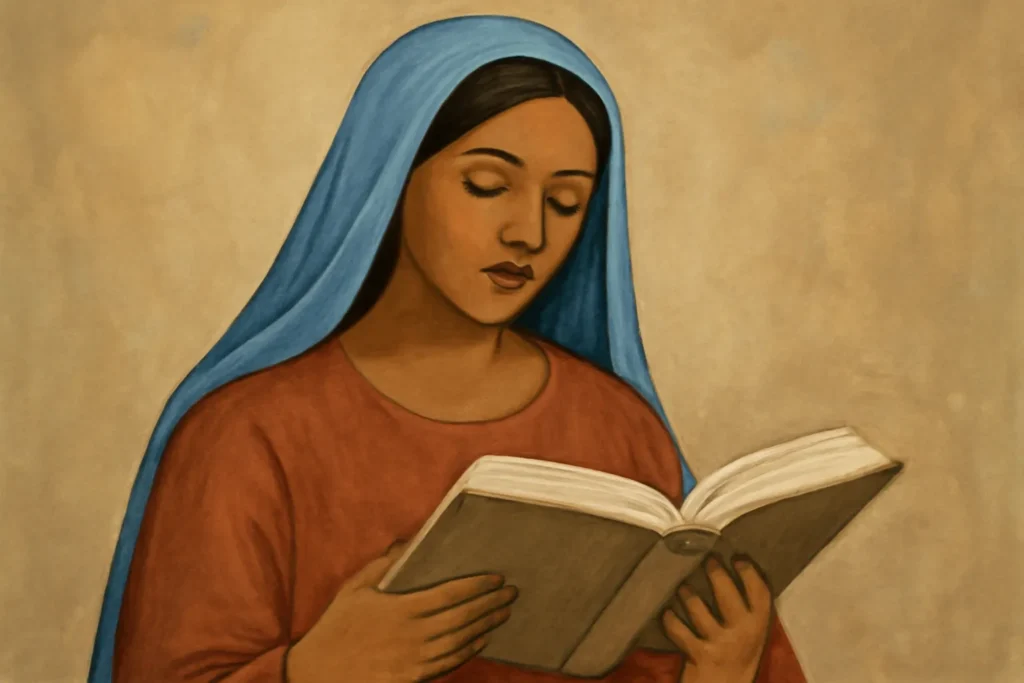
Deborah Scripture: Meaning, Context, and Lessons from the Bible

Introduction to Deborah in Scripture

In the canon of the Hebrew Bible, the figure known as Deborah stands out for
her unique combination of prophetic leadership, judicial authority, and spiritual courage. The
article you’re about to read surveys the Deborah scripture in the Book of Judges
and its paired poetic celebration in Judges 5, often called the Song of Deborah.
By exploring her identity as the prophetess and the judge of Israel,
the historical backdrop against which her story unfolds, and the moral and theological
implications her narrative offers, readers gain a clearer sense of how this biblical
account has been interpreted and applied across the centuries.

This article uses a broad scholarly and devotional lens to illuminate Deborah’s Scriptural
meaning
, the context of her leadership, and the enduring lessons that contemporary readers
can draw from Deborah’s biblical narrative. In doing so, we will reference both
the narrative arc in Judges 4–5 and the broader themes that emerge from the
interpretation of her role within Israel’s covenant life.

Who is Deborah in the Bible?

The biblical portrait presents Deborah as a figure who embodies both spiritual authority and
practical leadership. Within the Book of Judges, she is described as
the prophetess and the judge of Israel, a woman who sits
under a palm tree to dispense wisdom and administer justice in the time of great national crisis.
This is a striking juxtaposition in ancient literature: a female leader whose prophetic word and
legal decisions shape the fate of the people.

Identity: prophetess and judge

In the NRSV and many other translations, Deborah’s title is not merely honorary;
it signals a dual vocation. As the prophetess, she speaks the word of the Lord.
As the judge, she provides civil leadership and executive discernment at a time when
Israel’s tribal confederacy suffers under oppression. The combination of prophetic revelation and
judicial function makes Deborah in Scripture a paradigm of holistic leadership
— spiritual insight paired with practical governance.

Contextual markers in the text

The narrative explicitly situates Deborah “under the palm tree” of Deborah,
a geographic and symbolic image indicating a place of counsel, judgment, and public witness.
The setting—between Ramah and Bethel in the hill country of Ephraim—anchors her authority
within a national geography and a social fabric shaped by intertribal alliances and military
vulnerability. In the Deborah scriptural account, the people come to her for
instruction and judgment, and her voice carries weight because it carries the divine word.

Quizás también te interese:  Bible Verses on Who Is God: Scriptures Explaining God's Identity

Historical Context: Israel in Crisis

To understand Deborah scripture fully, it helps to situate the narrative within
the broader arc of Judges. The period is characterized by cycles: the people turn away from
covenant faithfulness, oppression tightens around them, they cry out to God, a judge or deliverer
arises, deliverance follows, and then a period of peace until the next crisis. In Judges 4–5,
the oppressor is Jabin, king of Canaan, and his general Sisera. The Canaanite alliance has
superior military resources, particularly chariots and trained troops, which intensify Israel’s
distress.

Leer Más:  Church theme ideas: Creative Decor for Worship Spaces

The narrative is thus not merely a tribal skirmish; it is a theological drama about fidelity,
courage, and God’s faithfulness to his people. As readers study the Deborah story,
they encounter questions about leadership, divine initiative, and the ways in which unlikely
agents (a prophetess and a tent-peg champion, Jael) contribute to the rescue of a nation.

Key Episodes: Judges 4 and Judges 5

Judges 4: The Deliverer, Barak, and the Word of the Lord

The narrative opens with the people crying out to God because oppression by Sisera’s forces has
intensified. Deborah the prophetess sends a message to Barak, commanding him to go
to Mount Tabor and advance against Sisera. Barak agrees but insists that Deborah accompany him
into battle. This moment emphasizes a partnership between male military leadership and a female
prophetic authority, highlighting a shared trust in divine instruction.

A notable aspect of Judges 4 is Deborah’s piercing, practical word: victory will come,
but the honor will belong to a woman—not to Barak himself. That promise reframes how deliverance is
achieved and who receives glory, shifting credit from a heroic warrior to the women who enable the
plan. The battle narrative culminates not just in military triumph but in an abrupt and pivotal
moment of treachery and cunning that leads to a dramatic turn in the story.

Judges 5: The Song of Deborah—A Poetic Celebration

Following the prose account, Judges 5 records what many scholars call the Song of Deborah
or the Song of the Song, a liturgical poem that commemorates the victory and honors the
tribes and leaders who aligned themselves with the cause of deliverance. This song is an early example
of a national hymn that blends historical memory, geographic reference, and dramatic praise. It also
functions as a public verdict on leadership: the tribes that rallied to the cause are praised, while
those who hesitated or failed in allegiance are critiqued.

Quizás también te interese:  Scripture About Church: Essential Bible Verses and Teachings

A striking feature of Deborah’s Song is its vivid imagery and its call to collective memory.
It uses geographical markers—such as the waters of Merom and the skies that rain down victory—to
craft a soundscape in which national identity is renewed through shared memory. As a piece of biblical
poetry, it offers rhythm, intensity, and a sense of communal responsibility that makes it uniquely
memorable in the Deborah scriptural tradition.

Leadership, Faith, and Theological Significance

Deborah’s leadership model in Scripture

The junction of prophetic authority and judicial responsibility that
marks Deborah in Scripture provides a multidimensional model of leadership. Her
authority is not merely a political office or a ceremonial role; it is rooted in a dynamic
relationship with God and in a discernment process that weighs evidence, invites counsel, and acts
decisively when divine instruction is clear. In many ways, Deborah’s leadership demonstrates that
credible governance in the biblical imagination requires both spiritual insight and practical action.

Leer Más:  Bible Conflict: A Clear Guide to Biblical Debates

Divine deliverance and human agency

A central theme in the Deborah narrative is the interplay between divine initiative and human
response. The Lord’s hand is described as the enabling power behind the deliverance, yet the heroes
who carry out the plan—Barak, Deborah, Jael—are the instruments through which God’s purposes unfold.
As readers of the Deborah story, we are invited to recognize that faithfulness often
requires cooperation across gender, status, and capacity, with God guiding the outcome.

The role of a female leader in biblical interpretation

In the broader field of biblical interpretation, Deborah the prophetess is a focal
point for discussions about women in leadership in Scripture. Some readers emphasize empowerment,
equality, and the breaking of gender norms; others stress the cultural and historical context of
ancient Israel. Regardless of interpretive approach, the Deborah scripture passage
invites ongoing reflection on authority, vocation, and service to the covenant community.

Lessons for Today: Practical Applications from Deborah’s Narrative

  • Courage to act when leadership is needed: Deborah’s readiness to step forward in a crisis
    demonstrates how prophetic voices can catalyze action when the moment calls for bold decisions.
  • Faithful collaboration: The partnership between Deborah and Barak shows that diverse gifts
    can cooperate for a common good, with each contributor playing a distinct and essential role.
  • Authority anchored in divine calling: True leadership is anchored in obedience to God’s
    word and in responsibility to the people, not merely in personal ambition.
  • Judgment that honors life and justice: The narrative highlights the importance of justice that
    protects the vulnerable and upholds communal well-being, even when the path to victory is complex.
  • Recognition of surprising agents in deliverance: The ultimate deliverer shows up in unexpected
    places and people, reminding readers that God’s purposes often work through unconventional channels.

How to read the Song of Deborah today


For modern readers, the Song of Deborah offers a framework for
communal memory, liturgical gratitude, and ethical reflection. It challenges communities to name
the sources of their strength, celebrate leadership that aligns with divine purposes, and ensure
that victory is measured not only by military success but by fidelity to justice and mercy.

Deborah in the New Testament and Later Tradition

While the canonical New Testament does not retell Deborah’s story in the same way as
the Hebrew Bible, the episode has shaped later religious imagination in meaningful ways. Many theologians
and commentators situate Deborah alongside other bold figures of faith as part of a broader conversation
about leadership, inspiration, and divine empowerment. The example of a prophetic woman who leads
under pressure has been cited in Christian reflection on vocation, service, and the scope of God’s
work through diverse voices.

In church history and art, the Deborah narrative has appeared as a touchstone for discussions about
gender, authority, and the relationship between prophecy and public life. Some writers highlight the
biblical motif of a woman “rising” in a region or era as an encouragement to communities seeking
reform, renewal, or resilience. In other contexts, interpreters stress the dangers of overemphasizing any
single figure to the exclusion of communal discernment and covenant fidelity. Across these
conversations, Deborah scripture remains a key point of reference for how faith communities
understand leadership that is both spiritual and societal.

Leer Más:  Isaiah 53 Commentary: Verse-by-Verse Guide to the Suffering Servant

Quizás también te interese:  Bible Verse Narrow Road: Understanding the Narrow Path in Scripture

Common Questions and Clarifications

  • Was Deborah the only female leader in ancient Israel? No. While Deborah is one of the most prominent female leaders in the biblical record, there are other figures in Scripture who exercise leadership. Deborah’s case is distinctive due to her dual role as prophetess and judge.
  • What is the significance of Jael’s role in the story? Jael’s decisive action against Sisera is a pivotal moment in Judges 4. Some readers view it as a display of courage and divine timing, while others discuss its ethical complexities in terms of war and hospitality.
  • What does the Song contribute to biblical poetry? The Song of Deborah is an early and powerful example of ancient near eastern hymnody. It blends historical memory with vivid imagery, ritual language, and communal praise, offering scholars a window into how Israel expressed gratitude and identity in ancient times.
  • How can modern readers apply Deborah’s example? By considering how prophecy, leadership, and justice intersect in the text, readers can reflect on authentic service, communal responsibility, and the ways faith informs action in today’s world.

Conclusion: Why Deborah Scripture Matters Today

The narrative thread that runs through Deborah’s Scriptural account—from the practical decision to
act under divine instruction to the dramatic, communal celebration of victory in the Song of Deborah
offers readers a multifaceted portrait of leadership under pressure. The life and words of Deborah the prophetess
challenge modern audiences to consider how spiritual insight, courageous public service, and a willingness to
collaborate across gender and role can contribute to the greater good. Whether encountered as history, poetry,
or theological reflection, the Deborah story remains a potent source of instruction and inspiration
for anyone seeking to understand how faith translates into courageous action in the public realm.

In the larger arc of biblical literature, Deborah scripture serves as a reminder that God can work
through unlikely instruments to accomplish deliverance, that leadership is relational and accountable to a
covenant community, and that the memory of God’s saving acts should shape how communities live together
with justice, mercy, and faithfulness. For teachers, students, readers of devotionals, and scholars alike,
Deborah’s narrative is a rich resource for considering how divine vocation intersects with human history to
bring about lasting change.

If you are exploring this topic for personal study or a teaching project, consider the following takeaway questions:
How might a community today cultivate prophetic courage without compromising compassion? In what ways can women and men
collaborate in leadership to pursue justice? What does it mean to interpret victory in a way that honors God and sustains
the community for the long term? The Deborah scriptural tradition invites ongoing reflection on these questions
as readers seek to apply ancient wisdom to contemporary life.

Deja un comentario

Tu dirección de correo electrónico no será publicada. Los campos obligatorios están marcados con *

Scroll al inicio