The Protestant Old Testament contains 39 books, beginning with Genesis and ending with Malachi. These books describe creation, Israel’s history, God’s covenant with his people, wisdom for daily life, and messages from the prophets.
Catholic and Orthodox Bibles include additional books or sections, so the total and arrangement vary by Christian tradition. The list below starts with the widely used Protestant order, then explains the differences and shows how the books fit together.
Most English Protestant Bibles arrange the Old Testament into four broad groups: the Pentateuch, historical books, poetry and wisdom literature, and the prophets. The order is useful for locating a passage, although it does not always follow the chronological order of the events.
Genesis
Exodus
Leviticus
Numbers
Deuteronomy
Joshua
Judges
Ruth
1 Samuel
2 Samuel
1 Kings
2 Kings
1 Chronicles
2 Chronicles
Ezra
Nehemiah
Esther
Job
Psalms
Proverbs
Ecclesiastes
Song of Solomon
Isaiah
Jeremiah
Lamentations
Ezekiel
Daniel
Hosea
Joel
Amos
Obadiah
Jonah
Micah
Nahum
Habakkuk
Zephaniah
Haggai
Zechariah
Malachi
Quick reference: The first five books are the Pentateuch, the middle historical section tells Israel’s national story, the wisdom books explore worship and human experience, and the final 17 books are prophetic writings.
What the Pentateuch teaches
The first five Old Testament books are called the Pentateuch, a Greek term meaning “five books.” Jewish tradition calls this collection the Torah, meaning instruction or teaching. Together, these books establish the foundational story, laws, promises, and worship practices that shape the rest of Scripture.
Genesis explains beginnings and promises
Genesis covers the creation of the world, human rebellion, the flood, and the scattering of nations. It then focuses on Abraham, Isaac, Jacob, and Joseph, showing how God’s covenant promise develops through one family and eventually leads to the people of Israel.
The book contains two connected movements: the story of humanity as a whole and the story of the family chosen to carry a particular promise. Major themes include creation, sin, blessing, faith, family conflict, and providence.
Exodus describes rescue and covenant
Exodus tells how the Israelites are delivered from slavery in Egypt and led toward Mount Sinai. Moses becomes the central human leader, and the book includes the giving of the covenant law, instructions for worship, and the construction of the tabernacle.
Exodus connects redemption with responsibility. The people are rescued before they receive the covenant obligations, but their new identity requires a distinct way of worshiping and treating one another.
Leviticus focuses on holiness and worship
Leviticus contains laws concerning sacrifices, priests, ritual cleanliness, festivals, food, justice, and community life. Its detailed instructions can feel unfamiliar to modern readers, but the central concern is how a holy God can dwell among an imperfect people.
Important ideas include holiness, atonement, sacred time, ethical treatment of neighbors, and care for vulnerable people. Leviticus also provides the biblical background for many later references to sacrifice and priestly worship.
Numbers follows Israel through the wilderness
Numbers combines census lists, laws, travel accounts, and stories of conflict. The Israelites move through the wilderness after leaving Sinai, but fear, complaint, rebellion, and distrust repeatedly interrupt their progress.
The book contrasts God’s continuing faithfulness with the people’s instability. Its title comes from the censuses taken during the journey, while its narrative emphasizes preparation for entering the promised land.
Deuteronomy renews the covenant
Deuteronomy presents Moses’ final speeches before Israel enters Canaan. He reviews the law, recalls the wilderness experience, warns against idolatry, and calls the people to love God and live faithfully in the land.
The book has the character of a covenant renewal. It asks a new generation to remember what God has done and choose a way of life shaped by worship, justice, obedience, and care for the community.
How the historical books tell Israel’s story
The historical books continue the story from Moses’ death through Israel’s settlement, monarchy, division, exile, and partial restoration. They are not modern history books in the narrow sense. Their narratives interpret events through questions about faithfulness, leadership, justice, repentance, and covenant.
Joshua through Ruth
Joshua describes Israel’s entry into Canaan under Joshua’s leadership and the distribution of the land among the tribes. The book highlights courage, obedience, remembrance, and the consequences of turning away from the covenant.
Judges presents a repeated pattern: Israel turns from God, faces oppression, cries out, receives a deliverer, and later falls into the same pattern again. The judges are not portrayed as flawless heroes. Their stories show the disorder that develops when there is no stable spiritual and social leadership.
Ruth is a short family story set during the period of the judges. Ruth, a Moabite widow, shows loyalty to Naomi and becomes part of the family line of David. The book emphasizes faithful love, providence, belonging, and redemption within ordinary decisions.
Samuel and the rise of the monarchy
1 Samuel follows Samuel, Saul, and David as Israel moves from a loose tribal system toward monarchy. Saul begins with promise but fails through disobedience, while David is anointed as the future king and spends years facing danger before taking the throne.
2 Samuel centers on David’s reign. It includes military victories, the covenant promise concerning David’s dynasty, serious personal failures, family turmoil, and political rebellion. David is presented as a significant king, but not as a perfect one.
Together, 1 and 2 Samuel explore the strengths and limits of human kingship. They also establish themes that later books develop, including the hope for a faithful ruler and the consequences of abusing power.
Kings and Chronicles remember the kingdom differently
1 Kings begins with Solomon’s reign, the building of the temple, and the division of the kingdom into Israel in the north and Judah in the south. The book then follows rulers and prophets as both kingdoms move toward crisis.
2 Kings continues the story through the fall of the northern kingdom to Assyria and the fall of Jerusalem to Babylon. The book repeatedly evaluates kings according to their worship and justice, not simply their military or political success.
1 Chronicles retells much of Israel’s story from Adam’s family line through David’s reign. Its genealogies establish continuity, while its account of David gives special attention to worship, musicians, priests, and preparations for the temple.
2 Chronicles focuses primarily on Judah, the temple, and the Davidic line. It continues through the Babylonian exile and ends with the Persian ruler Cyrus permitting the exiles to return. The book gives particular attention to reform, prayer, repentance, and worship.
Ezra, Nehemiah, and Esther describe life after crisis
Ezra tells of Jewish exiles returning from Babylon, rebuilding the temple, and addressing problems within the restored community. Ezra, a priest and teacher, emphasizes the importance of understanding and practicing the law.
Nehemiah describes the rebuilding of Jerusalem’s walls and the challenges facing the returned community. Nehemiah’s leadership includes practical administration, opposition from surrounding groups, economic concerns, and public covenant renewal.
Esther takes place in the Persian Empire, where a Jewish woman becomes queen and helps protect her people from a planned massacre. The book does not name God directly in the Hebrew and most Protestant forms of the text, but its plot turns on courage, timing, reversal, and preservation.
What the wisdom and poetry books explore
The wisdom and poetry books address worship, suffering, moral choices, mortality, love, work, and the search for meaning. They do not all speak in the same literary style. Psalms uses prayers and songs, Proverbs offers short sayings, and Job uses extended poetic dialogue.
Job addresses suffering and limited understanding
Job follows a righteous man who experiences devastating loss and then debates with friends who insist that suffering must always be a direct punishment for wrongdoing. The book challenges simplistic explanations and allows space for grief, protest, silence, and humility.
Job does not give a short formula explaining every tragedy. Instead, it asks how human beings should respond when experience does not match easy ideas about justice.
Psalms gives language for worship and lament
Psalms is a collection of 150 prayers and songs. It includes praise, thanksgiving, lament, confession, royal poems, wisdom reflections, pilgrimage songs, and appeals for protection.
The Psalms show that biblical prayer can be emotionally broad. You will find joy, fear, anger, regret, confidence, loneliness, and hope. Some psalms speak as individuals, while others represent the whole community. Reading them slowly can help you identify the kind of prayer a particular situation requires.
Proverbs teaches practical wisdom
Proverbs gathers short teachings about speech, work, money, friendship, discipline, sexuality, family life, leadership, and decision-making. Its wisdom literature often describes general patterns rather than promises that every situation will produce the same result.
The book repeatedly presents the fear of the Lord—reverent submission to God—as the beginning of wisdom. It also treats character as something formed through repeated choices, not merely through intelligence or information.
Ecclesiastes questions the search for control
Ecclesiastes reflects on work, pleasure, wealth, achievement, injustice, time, and death. Its speaker observes that many human efforts are temporary and that people cannot control the future.
The book’s honest reflections resist shallow optimism. It encourages readers to recognize life’s limits, receive ordinary gifts with gratitude, and live with reverence rather than pretending that human accomplishment can provide permanent security.
Song of Solomon celebrates committed love
Song of Solomon, also called the Song of Songs, is a collection of poetic exchanges between lovers. Its imagery celebrates attraction, longing, delight, exclusivity, and the beauty of marital love.
Interpretations have sometimes read the book symbolically as a picture of God’s relationship with his people, but its direct poetic language clearly gives serious attention to human love and desire.
How the prophetic books are organized
The last 17 books in the Protestant Old Testament are the prophets. They are commonly divided into the Major Prophets and the Minor Prophets, a distinction based mainly on length rather than importance.
Most prophets spoke during periods of political danger, idolatry, social injustice, war, exile, or restoration. Their messages often combine accusation and hope: they expose wrongdoing while calling people back to God and pointing toward renewal.
Isaiah through Daniel
Isaiah addresses Judah’s sin, international threats, judgment, comfort, restoration, and the future reign of God. It contains some of the Old Testament’s most developed visions of a servant, a renewed people, and a restored creation.
Jeremiah prophesies before and during the fall of Jerusalem. He warns that political alliances and religious slogans cannot replace faithfulness. The book also includes promises of a renewed covenant and depicts the personal cost of delivering an unpopular message.
Lamentations consists of poetic grief over Jerusalem’s destruction. It gives structured language to mourning, confession, loss, and continued hope amid devastation.
Ezekiel prophesies among the exiles in Babylon. His vivid visions address judgment, responsibility, God’s presence, renewed hearts, restored land, and a future temple-centered community.
Daniel combines stories about Jewish exiles serving in foreign courts with symbolic visions of kingdoms and future events. Its central message is that earthly empires are temporary and that God remains sovereign even when faithful people live under pressure.
The twelve Minor Prophets
The shorter prophetic books from Hosea through Malachi are often called the Twelve in Jewish tradition. Their settings and emphases differ, but together they address covenant unfaithfulness, exploitation of the poor, foreign aggression, empty worship, judgment, and the hope of restoration.
Hosea uses the prophet’s troubled marriage as an image of Israel’s unfaithfulness and God’s persistent love.
Joel begins with a devastating locust disaster and develops themes of repentance, the day of the Lord, and the outpouring of God’s Spirit.
Amos condemns exploitation, corruption, and worship separated from justice.
Obadiah announces judgment against Edom for violence and hostility toward Judah.
Jonah follows a reluctant prophet sent to warn Nineveh and examines mercy, resentment, and God’s concern for outsiders.
Micah confronts corrupt leaders while promising restoration and a future ruler connected with Bethlehem.
Nahum announces the fall of Nineveh and addresses the end of oppressive power.
Habakkuk records a prophet’s questions about violence and injustice before expressing trust in God.
Zephaniah warns of judgment while also looking toward purification and restoration.
Haggai calls the returned exiles to rebuild the temple and reorder their priorities.
Zechariah uses visions and symbolic messages to encourage the restored community and anticipate future renewal.
Malachi challenges careless worship, corrupt leadership, and covenant neglect while promising that God will act.
Why Catholic and Orthodox Bibles have different Old Testament books
The phrase Old Testament books can refer to different collections depending on the Bible tradition. Protestant Bibles generally contain 39 Old Testament books. Catholic Bibles contain those books plus seven additional books, along with additional sections in Esther and Daniel.
The seven books commonly called Deuterocanonical in Catholic tradition are Tobit, Judith, Wisdom, Sirach, Baruch, 1 Maccabees, and 2 Maccabees. “Deuterocanonical” means belonging to a second or later recognized canon; many Protestants use the term Apocrypha for these books and do not include them in the same section of the Bible.
Orthodox churches also include books beyond the Protestant collection, but the exact contents can vary among Greek, Russian, Ethiopian, and other traditions. Orthodox editions may include books such as 1 Esdras, 3 Maccabees, Psalm 151, or the Prayer of Manasseh, depending on the church and its biblical tradition.
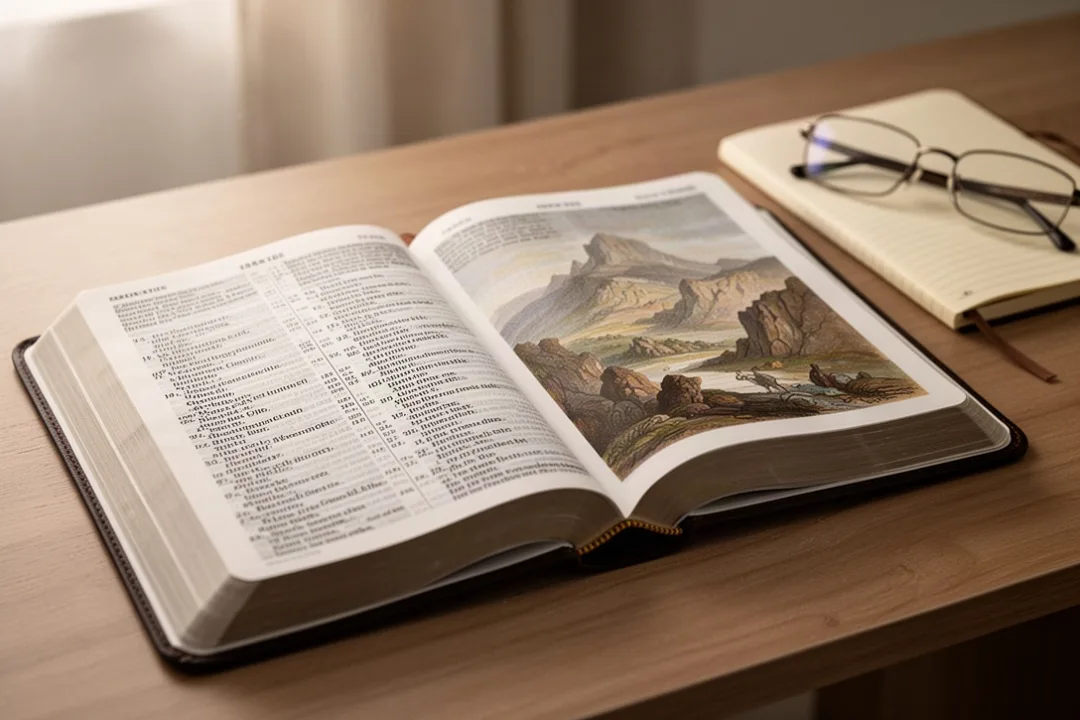
When comparing Bibles, check the table of contents first. A difference in the number of Old Testament books does not necessarily mean that one Bible has simply forgotten a book; traditions use different canonical histories and arrangements.
How the Old Testament differs from the Hebrew Bible’s arrangement
The Jewish Bible, or Tanakh, contains the same broad body of Hebrew Scriptures as the Protestant Old Testament, but it groups and orders them differently. Its three divisions are the Torah, the Nevi’im (Prophets), and the Ketuvim (Writings).
For example, the Hebrew Bible places Joshua, Judges, Samuel, and Kings among the Prophets. It places Chronicles at the end of the collection, while Protestant Bibles place Chronicles earlier among the historical books. The difference is one of organization and canonical tradition, not simply a difference in the underlying texts included in the Protestant and Jewish collections.
This arrangement also affects how readers understand the collection as a whole. The Protestant order moves from creation and Israel’s history through wisdom and prophecy, while the Tanakh’s arrangement ends with Chronicles and gives the collection a different literary shape.
Practical tips for reading the Old Testament books
The Old Testament contains many genres, settings, names, and historical periods. A few reading habits make it easier to follow the main ideas without treating every passage as if it were written in the same way.
Start with the table of contents. Learn which section a book belongs to before assuming that its order is chronological.
Identify the genre. Read a psalm as poetry, Proverbs as wisdom instruction, narrative as narrative, and prophetic visions with attention to symbols.
Check the historical setting. Ask whether the passage concerns the wilderness, the monarchy, the divided kingdom, exile, or the postexilic period.
Read the surrounding chapters. A single verse can sound different when you understand the argument, speech, or story around it.
Track repeated themes. Look for covenant, holiness, justice, mercy, worship, exile, restoration, and faithfulness.
Distinguish description from approval. The Bible may report violence, deception, or failure without presenting that behavior as a model.
Use cross-references carefully. Later biblical writers often echo earlier passages, but the original setting still matters.
Ask what kind of question the passage is answering. Some texts explain origins, some shape worship, some confront injustice, and some give language for grief.
Common mistakes when studying the Old Testament
Several reading mistakes can make these books seem more confusing than they are. Correcting them does not remove every difficult passage, but it gives you a more accurate framework for interpretation.
Assuming the books are in chronological order. Ruth, Job, Joel, and other books may fit into historical periods different from their position in the table of contents.
Reading every command as if it applied in the same way today. Laws about sacrifices, priests, land, and ritual purity belong to a particular covenant and social setting.
Treating the prophets as fortune-tellers only. Prophets primarily addressed real people and present injustice, even when they also spoke about future judgment or restoration.
Reducing the Old Testament to rules. Its books also contain songs, stories, prayers, debates, love poetry, genealogies, visions, and reflections on suffering.
Assuming every biblical character is a role model. Narratives often show the consequences of a person’s choices rather than recommending those choices.
Ignoring the original audience. A message to exiles, priests, kings, or a particular city may require careful application before it is connected to a modern situation.
Skipping difficult passages too quickly. Use a reliable study Bible or commentary, compare translations, and read related passages before reaching a conclusion.
Where to begin with the Old Testament books
If you want the central storyline, begin with Genesis, Exodus, Joshua, 1 Samuel, 2 Samuel, 1 Kings, Ezra, and Nehemiah. These books provide a connected path from creation and the patriarchs through the formation of Israel, the monarchy, exile, and restoration.
For prayer and worship, start with selected Psalms rather than trying to read all 150 at once. Psalms of lament can help you understand biblical grief, while praise and thanksgiving psalms show other forms of response to God.
For practical wisdom, read a small section of Proverbs alongside Ecclesiastes. Proverbs often emphasizes disciplined choices and wise relationships, while Ecclesiastes tests the limits of achievement and control. Together, they offer a fuller picture than either book alone.
For prophetic writing, Isaiah, Jeremiah, Amos, Micah, and Jonah provide varied entry points. Read the historical setting first, then identify the behavior being confronted, the consequences announced, and the hope offered to people who turn back.
How the Old Testament connects to the New Testament
The New Testament frequently refers to the Old Testament’s people, promises, laws, worship, poetry, and prophetic images. It presents Jesus and the early Christian movement within the story of Israel’s Scriptures, not as an unrelated beginning.
Connections may involve direct quotation, an echo of a familiar story, a shared theme, or a reinterpretation of an earlier promise. Readers should avoid assuming that every detail has only one possible meaning, but they should also recognize that the New Testament repeatedly treats the Old Testament as essential background.
The Old Testament supplies the vocabulary of covenant, kingdom, sacrifice, priesthood, temple, wisdom, exile, redemption, and resurrection hope. Understanding those themes makes many New Testament passages clearer and shows why the two collections are read together in Christian tradition.
Frequently asked questions
How many books are in the Old Testament?
Most Protestant Bibles contain 39 Old Testament books. Catholic Bibles contain 46 books in the Old Testament collection, along with additional sections in Esther and Daniel. Orthodox Bibles may contain a somewhat different number because the exact collection varies among Orthodox churches and their biblical traditions.
What is the first book of the Old Testament?
Genesis is the first book in Protestant, Catholic, and Orthodox Bible arrangements. It tells about creation, humanity’s early history, the flood, and the families of Abraham, Isaac, Jacob, and Joseph. Its themes establish the covenant story developed throughout the rest of the Scriptures.
What is the shortest Old Testament book?
Obadiah is generally considered the shortest Old Testament book by chapter count and overall length. It contains one chapter and focuses on judgment against Edom, a nation connected to Israel. Its brief message addresses pride, violence, betrayal, and the restoration of God’s people.
Are the Old Testament and the Hebrew Bible the same?
They overlap substantially, but their books are arranged differently and counted differently. The Hebrew Bible is organized as the Torah, Prophets, and Writings. Protestant Bibles arrange related material into the Law, historical books, poetry and wisdom, and prophets, creating 39 books from the same broad collection.





Leave a Reply