Men’s Adjustable Belt: The Ultimate Guide to Comfort, Fit, and Style
In the world of menswear, a well-chosen belt can be the difference between an outfit that looks polished and one that feels unfinished. This comprehensive guide dives into men’s adjustable belts—from practical function to nuanced style. Whether you’re building a formal wardrobe, stocking up for daily errands, or exploring outdoor gear, an adjustable belt for men can adapt to different waist measurements, clothing fits, and activities. In the sections that follow, you’ll discover how to evaluate, select, wear, and care for belts designed to offer versatility, comfort, and long-term value.
What follows uses a broad range of terms—belt with adjustable strap, ratchet belt, no-hole belt, sliding buckle belt, and micro-adjustable belt—to help you recognize features across brands and styles. The goal is to arm you with practical knowledge so you can choose a belt that fits your body, your wardrobe, and your lifestyle.
What is a men’s adjustable belt?
At its core, a men’s adjustable belt is a belt designed to accommodate a range of waist measurements and seating positions without requiring a precise, fixed notch. Traditional belts use a fixed series of holes and a prong buckle; the wearer must select a hole that matches their waist at a given time. An adjustable belt reimagines that mechanism, offering more flexibility in fit. This can manifest in several different systems, including no-hole designs, ratchet mechanisms, or sliding buckles.
Benefits you commonly gain from an adjustable belt include:
Improved micro-adjustment for micro-level changes in waist size or posture during the day.
Better comfort because the belt can snug or loosen with less pressure on the abdomen and hips.
Longevity as stretch or weight fluctuations won’t render the belt unusable as quickly as a traditional hole-based belt might.
Versatility since many models bridge formal, business casual, and casual environments.
There are two main ideas behind the various types you’ll encounter. Some belts rely on a no-holes design or a continuous adjustment track, while others use a standard prong buckle with a broader, more forgiving adjustment system. Both approaches aim to provide a comfortable, secure fit that stays in place through daily movement, seating, and activity.
Types of adjustable belts for men
The market offers several distinct categories of belt with adjustable strap or related features. Here are the most common types you’re likely to encounter, along with what makes each one unique.
Ratchet belts (micro-adjustable belts)
One of the most popular forms of ratchet belt systems uses a track on the inside of the strap and a torsion-based or locking buckle. The wearer slides the belt to the desired comfort level and then clamps the buckle in place. To release, a small lever or button on the buckle frees the locking mechanism.
Precision adjustability: Every click or fraction of an inch can be selected, enabling near-perfect fit for different outfits or activities.
Minimal maintenance: Fewer moving parts than some traditional belts, but the buckle and track should be kept clean to prevent grit from interfering with the locking mechanism.
Durability considerations: High-quality ratchet belts use sturdy metal buckles and strong synthetic or full-grain leather straps, which helps with longevity when cared for properly.
Regarding wear, ratchet belts often excel in everyday use because they allow rapid adjustments during commutes, workouts, or long days at the office. Some enthusiasts love them for travel, where belt size might fluctuate between flights and hotels. When choosing a ratchet belt, assess the number of adjustment increments, the feel of the buckle, and whether the design complements your typical attire.
No-hole belts
The no-hole belt (sometimes called a holeless belt) eliminates fixed holes entirely. Adjustment comes through a sliding mechanism or micro-adjustment track within the buckle, enabling smooth, continuous sizing.
Infinite adjustment: You’re not limited to predetermined hole spacings; you can dial in a precise mid-fit between fixed sizes.
Modern aesthetic: Often paired with a sleek, minimalistic buckle, lending itself to contemporary wardrobes.
Care tip: Ensure the buckle’s locking mechanism remains free of grit; a gummed track can hinder the adjustment range.
No-hole belts can be ideal for people whose waist measurements drift during the day or for those who want a belt that mirrors a belt you might wear with formal attire while maintaining comfort.
Sliding buckle belts
A traditional leather belt with a sliding buckle uses a bar that slides along a strap with a friction-based or micro-adjustable mechanism. This design can be found in both leather belts with adjustable buckles and fabric/web alternatives.
Simple operation: The buckle slides easily, and friction or a locking element holds the belt in place.
Versatile styling: Appropriate for business casual and casual wear depending on materials and finishes.
Repair considerations: If the strap wears at the edge or the buckle clamp loosens, you may need professional adjustment or replacement parts.
Sliding buckle belts favor a traditional look with the added advantage of adjustability without a full laser-like ratchet mechanism. The key is to match the width and finish with your wardrobe needs.
Auto-lock belts
Some auto-lock belts use a spring-loaded or electronically assisted buckle that clamps down automatically when you feed the belt into the buckle. Releasing typically involves lifting a lever or pressing a release.
One-handed operation makes them convenient for on-the-go wearers.
Secure hold: The auto-lock mechanism tends to maintain a steady grip even during physical activity.
Durability: Look for solid metal components and a strap that resists wear over time, especially at the contact point with the buckle.
Auto-lock belts blend convenience with a modern aesthetic, often leaning into a sportier or business-casual vibe, depending on materials and finishes.
Traditional belt variations with adjustable features
Some belt for men designs remain classic in form but incorporate adjustable features through reinforced holes, additional keepers, or flexible inserts. These belts can be highly versatile when paired with a suit, dress shirt, or casual polo.
Reinforced hole sets to accommodate micro-adjustments without compromising the leather’s integrity.
Soft edge finishes to minimize scuffing on the belt line and trousers.
Keeper allowances to hold extra strap length securely in place for a neat appearance.
Even as technology advances, classic looks endure when designed with thoughtful adjustment options.
Materials and construction: what makes an adjustable belt durable and comfortable
Appearance and functionality begin with materials. A belt that stays comfortable depends on how the strap is made, what it’s made from, and how the buckle interacts with the strap. Here are the main material categories and construction considerations you should know about when evaluating a men’s adjustable belt.
Leather options
Full-grain leather: The highest-quality, most durable option. It develops a natural patina and remains strong through repeated bending.
Top-grain leather: Slightly more processed than full-grain, with a uniform surface that can be easier to care for but still highly durable.
Bonded or corrected-grain leather: More affordable, but generally less durable over time and may show wear sooner at the buckle or hole area.
Leather with adjustable buckles: Some designs pair premium leather with a robust buckle to maximize longevity.
Leather belts with adjustable features tend to perform best when you commit to occasional conditioning (such as a leather conditioner) and proper storage away from excess moisture.
Synthetic and fabric belts
Nylon or weave fabrics: Lightweight, often water-resistant, and good for outdoor or casual uses. Adjustable mechanisms are typically rugged and easy to clean.
Polyurethane and vinyl: Durable and inexpensive; these materials can mimic leather while offering weather resistance.
Webbing: Common in outdoor gear, these belts can be highly adjustable, with minimal stretch and strong retention.
For active lifestyles, web belt designs with ratchet or sliding buckles can offer practical comfort and speed. For formal settings, leather remains the preferred choice because of its refined appearance and classic silhouette.
Buckles and hardware
Metal buckles (brass, pewter, stainless): Typically durable and respectful of a wide range of wardrobe styles.
Finish and coating: Brushed, polished, or antique finishes change the belt’s look and how it pairs with shoes and metals worn.
Hardware durability: The buckle and hinge systems should resist corrosion and wear; examine how the buckle attaches to the strap if you expect frequent flexing or bending.
In many cases, the belt’s material and buckle reflect a balance between form and function. A well-made belt with adjustable buckle will feel comfortable from the moment you slide it on and remain secure throughout long days.
How to choose the right adjustable belt for your body and wardrobe
Selecting a belt designed for adaptability begins with accurate sizing, but it also requires considering your typical clothing and activities. The following guidelines will help you pick a belt that fits well, wears comfortably, and looks appropriate in most situations.
Measure at the waist while standing relaxed. If you normally wear your pants below the natural waistline, take measurements accordingly.
Match belt length to pants size: A common recommendation is to choose a belt that is 2 inches (about 5 cm) longer than your belt loops or pant size, but adjustable models can bridge some gaps.
Consider the buckle width: A wide buckle requires a slightly wider strap and can affect comfort when seated, driving, or bending.
Account for clothing type: Dress pants may require a narrower belt, while casual wear can accommodate a wider strap for comfort and style.
In the case of no-hole or micro-adjustable belts, you don’t necessarily need to rely on your waist measurement alone. Instead, focus on achieving a snug but comfortable fit that doesn’t constrain movement.
Assessing width and fit for different outfits
Dress belts: Aim for a width around 1/2 inch (1.27 cm) to 1 inch (2.54 cm) to harmonize with dress trousers and formal shoes.
Casual belts: A width of 1 1/4 inches (3.1 cm) to 1 3/4 inches (4.5 cm) often works well with denim, chinos, and casual slacks.
Outdoor or tactical belts: Widened options (1 1/4 to 1 1/2 inches) balance with rugged gear and possible tool attachments.
When choosing a belt with adjustable strap for travel, consider a lighter weight, less rigid leather or fabric with a secure buckle. This combination tends to carry well in carry-on luggage and can adjust for different meals, seating, and posture shifts during flights.
Style considerations
Color coordination: Neutral tones (black, brown, tan) cover most outfits, while bolder colors or patterns are best reserved for casual looks.
Buckle finish: Match with other metal accents like watches, cufflinks, or shoe buckles for a cohesive appearance.
Texture: Smooth leather is classic; textured surfaces or fabric belts can add depth to casual ensembles.
Remember: style choices aren’t only about fashion. A well-chosen adjustable belt can simplify wardrobe planning and reduce clutter in your closet by replacing multiple fixed-size belts.
Fit and comfort: ensuring a belt stays comfortable all day
Comfort is a function of fit, but also of how the belt interacts with your body and your clothing. The right men’s adjustable belt should sit flat against your waist, not dig into your skin, and should stay in place as you move. The following considerations help maximize daily comfort.
Waist movements and posture
People commonly shift their posture throughout the day, especially when sitting for long periods or lifting objects. An adjustable belt should accommodate these fluctuations without becoming loose or overly tight. Look for belts with smooth adjustment mechanisms that do not press into your abdomen.
Activity level and seating
Office work: A more refined leather or fabric belt with a slim buckle often works best.
Active or manual labor: A sturdy buckle and resilient strap help prevent wear; consider a ratchet or auto-lock system for quick adjustments on the go.
Travel: A belt that can be quickly loosened for security screening and then re-tightened without fuss is especially convenient.
Width and mobility
In general, wider belts can restrict movement slightly if the buckle sits high or the strap is stiff. Choose a width that balances form with function. If you sit for long periods, a slightly narrower belt with a flexible strap can feel more comfortable.
Style and versatility: how to wear a men’s adjustable belt in different settings
Many modern adjustable belts are designed to harmonize with a wide range of outfits, from formal to casual. The trick is to pair the belt with other elements of your attire—shoes, wallet, watch, and metal accents—so the belt looks intentional rather than out of place.
Formal and business attire
Leather quality matters: For dressier looks, choose a belt with a smooth, refined finish (often a full-grain or top-grain leather).
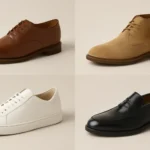
Color coordination: Match the belt color to your dress shoes (black with black shoes, brown with brown/oxblood).
Buckle style: A sleek, understated buckle enhances a formal silhouette; avoid oversized or flashy buckles in formal settings.
Business casual and smart casual
Texture and color: Subtler textures or matte finishes pair well with chinos or casual dress pants.
Adjustability: An adjustable belt can complement different knitwear and layered outfits without looking bulky.
Casual and outdoor looks
Rugged materials: Leather with a slightly distressed finish or a resilient fabric belt can amplify a rugged or outdoor vibe.
Functionality: For outdoor activities, consider belts with quick-release buckles or stronger retention mechanisms.
Regardless of the setting, aim for a unified look where the belt’s width, color, and buckle complement your overall aesthetic rather than competing with it.
Caring for your belt: maintenance tips for longevity
To maximize the life of a belt with adjustable buckle, you need a simple maintenance routine tailored to the belt’s material. The following guidelines cover both leather and fabric options, plus general buckle care.
Leather care
Condition periodically: Use a quality leather conditioner every few months to keep the strap supple and prevent cracking, especially around the adjustment area.
Avoid water damage: Leather can water-stain and warp if exposed to significant moisture. If it gets wet, pat dry and let it air dry away from heat sources.
Store properly: Hang belts loosely or roll them to prevent creasing and preserve the natural bend in the strap.
Fabric and synthetic belt care
Clean with mild soap: Wipe fabric belts with a damp cloth using a mild soap; allow to air dry completely.
Inspect the buckle: Check for loose screws or bent metal; tighten or replace as needed.
Avoid solvent exposure: Harsh chemicals can degrade synthetic materials and affect color fastness.
Buckle maintenance
The buckle is a critical component of any adjustable belt. Regular inspection helps prevent failures and ensures a secure fit. Check for:
Locking mechanism integrity: Ensure the ratchet track or auto-lock system engages smoothly without sticking.
Attachment stability: Confirm the buckle is firmly attached to the strap and that stitching or hardware hasn’t loosened.
Corrosion resistance: If you live in a humid environment, consider belts with corrosion-resistant finishes to preserve both look and function.
Sizing, fit, and practical buying tips
When shopping for the best adjustable belt for men, consider both size and intended use. The right belt should feel secure, not restrictive, and should integrate seamlessly with your existing wardrobe. Here are practical buying tips to help you decide.
Try before you buy (where possible)
In-store trial: If you’re evaluating multiple options, try on with the same pants you’ll typically wear it with. Check for comfort while sitting, bending, and walking.
Check movement: Ensure the belt doesn’t twist or ride up when you sit down or stand up. A good adjustable belt should stay relatively flat against the body.
If shopping online, read reviews focused on fit and the reliability of the adjustment mechanism. A generous return policy can help you test fit without risk.
Budget and value
Entry-level: Basic no-hole or sliding-buckle belts can be affordable and practical for casual use.
Mid-range: Expect higher-quality materials (full-grain leather, reinforced buckles) and more durable adjustment systems.
Premium: Elite leather, meticulous craftsmanship, and sophisticated adjustment technology (high-end ratchets or polished hardware) are common in this tier.
Common issues and troubleshooting tips
No product is perfect for every body, so it helps to know how to address common issues you might encounter with a belt for men featuring adjustable technology.
Issue: Belt slides or keeps loosening
Possible causes and solutions:
The buckle’s locking mechanism wears out. Consider replacing the buckle or the strap with a new kit from the same system.
Strap material is stretched. Swap to a stiffer or higher-quality strap if you notice persistent looseness.
For ratchet belts, ensure the track is clean and free from grit. Clean with a soft brush or cloth.
Issue: Inconsistent hold after weight changes
Tip: If your waist measurement fluctuates, an adjustable belt is especially useful, but you may want to tighten or loosen the belt more frequently. Consider a belt with a finer adjustment increment or a no-hole design for smoother transitions.
Issue: Buckle alignment looks off or catches on fabric
Potential fixes:
Check for bent prongs or misaligned tabs in the buckle and replace if necessary.
Ensure the strap edges are not frayed; trim and seal the edge if needed to prevent snagging.
Conclusion: embracing comfort, fit, and style with a smart choice
Choosing the right men’s adjustable belt is not simply about finding a functional accessory. It’s about selecting a companion to your wardrobe that respects your body, supports your daily routine, and complements your personal style. Whether you opt for a ratchet belt for fast, precise adjustments, a no-hole belt for near-perfect fine-tuning, or a sliding buckle belt for classic appeal, the best belt is one that fits comfortably, lasts through wear, and stays appropriate across settings.
As you explore options, remember to consider the belt’s material, buckle durability, width, and how well it pairs with your most common outfits. By focusing on these aspects, you’ll emerge with a belt that offers comfort, fit, and style—and that can adapt to changes in your body, lifestyle, and wardrobe without needing constant replacement.