Overview: Name Tag Holders with Clip and Their Place in Modern Organization
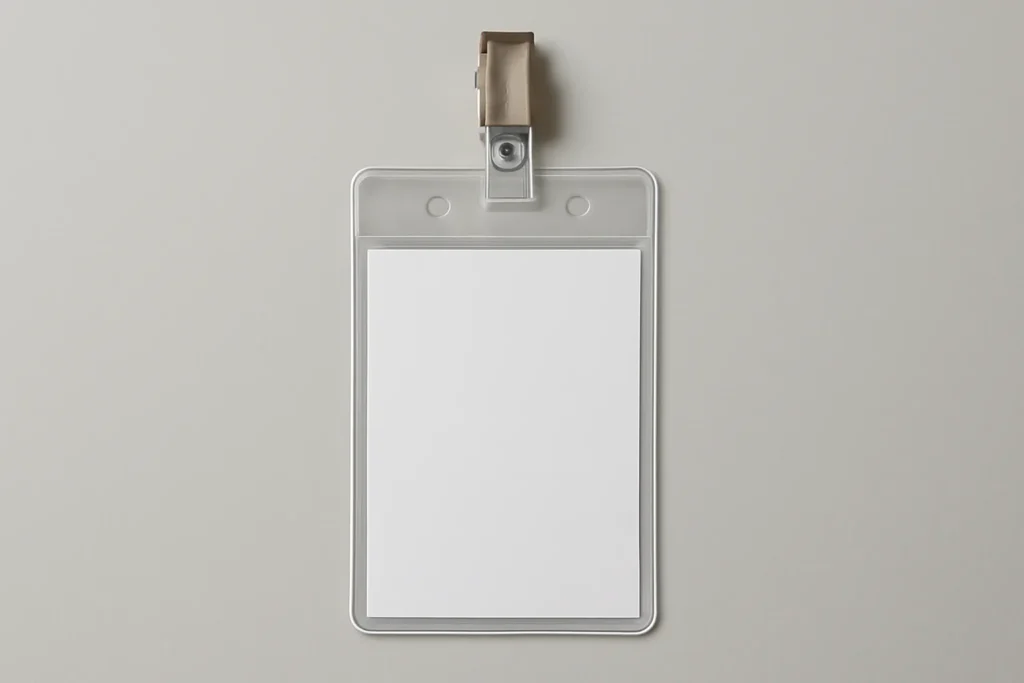
Name tag holders with clip are small but essential tools for events, workplaces, schools, and many other environments. They protect and display important credentials while allowing quick, reliable access to information. The phrase clip-on ID badge holders is often used interchangeably with name tag holders with clip, but the core idea remains the same: a transparent or translucent sleeve that protects a card or badge, paired with a clip that attaches securely to clothing or a lanyard. In busy settings—conferences, trade shows, hospitals, corporate offices, or classrooms—these holders help people identify roles, access levels, and contact information at a glance. They also contribute to a sense of organization and safety by reducing the chance of lost credentials and by enabling quick checks by staff or security personnel.
In this article, we explore Durable ID Card Holders for Lanyards, focusing on the many design choices, materials, and use cases that matter when selecting the right badge holder. You will learn how different clip varieties, window options, and sizes affect readability, longevity, and user experience. Whether you are outfitting a single event or stocking an entire facility, understanding the nuances of name badge holders with clip helps you choose products that deliver lasting value.
Materials and Construction: What Makes a Name Tag Holder Durable?
The durability of a name tag holder with clip hinges on two primary components: the material used for the shell (the sleeve that holds the card) and the material and design of the clip itself. A well-constructed combination offers clarity, resilience, and long service life even in demanding environments. Below are the main material choices and how they influence performance.
Polypropylene (PP) and Polyethylene Terephthalate (PET) Plastics
Most name tag holders with clip use clear plastic sleeves made from polypropylene or PET. These materials are chosen for their balance of clarity, stiffness, and flexibility. PP sleeves tend to be slightly more forgiving and less likely to crack when flexed frequently. PET sleeves often offer exceptional optical clarity and scratch resistance. For high-traffic venues, consider a PET sleeve with a protective anti-scratch coating or a thicker wall (0.5 mm to 0.75 mm) to keep the card legible over time.
Polycarbonate and PVC: When to Choose Them
For maximum impact resistance, polycarbonate is a premium option. It provides superior rigidity and can resist bending or cracking under repeated handling, which is valuable for long-term use in schools or hospitals. Some PVC options exist with UV-stabilized formulations and flexible windows, but they may be less environmentally friendly and sometimes less durable in extreme conditions. When environmental impact is a concern, look for recyclable or recycled-content materials and non-toxic additives.
Transparency, Clarity, and Window Design
The window design—whether a standard flat sleeve or a multi-pocket format—affects readability and card protection. A high-clarity window minimizes glare and enhances readability from multiple angles. In busy settings, anti-glare or frosted windows can reduce reflections in bright lighting or sunlight. Some holders employ UV-protective layers to prevent color fading on printed names or logos, preserving a fresh appearance longer.
Clip Types and How They Work: Variations That Change Utility
The clip is the part that attaches the badge holder to the wearer. Different clip designs offer different strengths, ranges of motion, and compatibility with lanyards, clothes, or bags. Here are common clip types and how they influence everyday use.
Alligator Clips
Alligator clips are small, spring-loaded mechanisms with a serrated gripping edge. They provide a strong hold on fabric and are easy to snack-clip onto clothing or pockets. For name tag holders with clip used in fast-paced settings, these clips offer secure retention even when the user moves around a lot. However, some users may find them a little bulky for ultra-light fabrics.
Bulldog Clips
Bulldog clips, with their larger rectangular grip, distribute pressure across a broader area, reducing the risk of fabric tearing. They are good for thicker clothing or coats, and they offer a familiar, professional aesthetic. If you want a clip that stays put during long events, a bulldog clip is a solid choice in a clip-on ID badge holder lineup.
Swivel Clips
Swivel clips allow the holder to rotate without twisting the lanyard or clothing. This reduces wear on the clip and prevents the badge from turning sideways, which improves legibility. For exhibitors, event staff, or participants who move frequently, a swivel clip can significantly improve comfort and readability.
Carabiner-style clips offer quick attachment and detachment, making them ideal for activities that require frequent badge removal. They can be easier to operate with gloved hands. While carabiners are often associated with outdoor gear, they are widely used in conference centers and campuses for their reliability and ease of use.
Integrated Snap Clips and Magnetic Closures
Some modern badge holders combine a snap clip with a magnetic closure or use a small magnetic latch to secure the badge. These systems minimize the risk of accidental detachment and offer a low-profile look that some users prefer for professional settings. Note that magnets can interact with certain medical devices or electronic equipment, so consider user needs and environment before choosing these options.
Clip vs. Breakaway Features
Many workplaces prioritize safety and use breakaway features on lanyards or some clip designs. A breakaway release reduces the risk of injury if the lanyard or clip is pulled or snagged. If your environment includes active movement, crowded spaces, or children, a breakaway option may be essential.
Sizes, Windows, and Mounting Options: How Big Should Your Name Tag Holder Be?
Choosing the right size and orientation ensures readability and comfort. The most common credential dimensions align with standard ID cards, but there are variations depending on use case and branding goals.
Card Dimensions and Orientation
Most ID card holders with clip accommodate the standard credit-card size: 85.6 × 54 mm (3.375" × 2.125"). This size is widely accepted for employee badges, conference credentials, and student IDs. Holders come in vertical (portrait) and horizontal (landscape) orientations. Consider the typical viewing angle and how the badge will be worn when selecting orientation. Vertical wallets may be more legible for tall names, while horizontal wallets can fit longer titles without wrapping.
Window Options: Single Window, Dual Windows, and Multi-Pocket
A single-window holder is the simplest and most cost-effective option, offering clear visibility for a single credential. Multi-pocket variants can hold additional cards—like access cards, shuttle passes, or transit IDs—within the same holder. For larger teams or events, multi-pocket designs can streamline credential management by consolidating several cards into one visible place. However, more pockets may increase overall bulk and reduce flexibility for quick changes. When you need robust visibility, a high-clarity window with corner-cut corners often yields the cleanest display.
Clear Window Thickness and Edge Design
Thicker windows provide better impact resistance and card protection, particularly in high-traffic venues. Edge design—rounded corners versus sharp corners—affects comfort and durability. Rounded corners are less prone to catching on fabrics and reduce wear on clothing over time. If you anticipate frequent handling or rough use, look for a holder with reinforced edges or a protective lip that guards the window from bending or cracking.
Durability, Protection, and Safety: Keeping Credentials Safe Under Pressure
Durability isn't just about plastic; it's about how the holder performs in real-world conditions. The following features contribute to a product that lasts longer and provides consistent performance.
Water resistance or splash protection for outdoor events or wet settings.
Scratch resistance to maintain legibility of printed text and branding.
Anti-tear materials and reinforced seams to prevent splitting at stress points.
UV stabilization to reduce fading of printed names and logos.
Anti-glare windows to improve readability in bright lighting environments.
Anti-static properties to minimize dust attraction and smudges in dusty or dry environments.
In environments like hospitals or laboratories, chemical resistance and easy-clean surfaces can be valuable. For schools and campuses, a combination of durable materials and easy replacement of worn-out inserts helps maintain a professional look throughout a term or semester.
Usage Scenarios: Where Name Tag Holders with Clip Excel
Different settings place different demands on name tag holders with clip. Here are common usage scenarios and the features that typically matter most in each context.
In fast-moving exhibitor environments, badge visibility and quick attendee checks are essential. Look for a holder with:
High-clarity window and bold, readable typography
Lightweight yet sturdy construction to prevent fatigue
Durable clip and easy-replace inserts for frequent name changes
Corporate Offices and Office Buildings
For employees, a professional, low-profile holder is often preferred. Consider:
Subtle colors or branded designs
Swivel or magnetic clips for quick access
Compatibility with standard lanyards or breakaway options for safety
Healthcare Facilities
In hospitals and clinics, durability, cleanability, and security matter. Choose:
Easy-clean materials and UV-stable plastics
Breakaway features on lanyards for safety
Clear, oversized text for quick patient and staff identification
Educational Institutions
For schools and universities, you need a balance of cost, durability, and branding opportunities. Go for:
Affordable options in bulk
Branding slots for school logos or team identifiers
Durable sleeves that resist daily wear and tear from students
Fieldwork and Outdoor Events
When credentials are exposed to the elements, look for:
Water resistance and robust edge protection
Carabiner clips or rugged clips for secure attachment
Bright color options to enhance visibility
How to Choose the Right Name Tag Holder with Clip: A Practical Guide
Making the right choice involves evaluating your needs across several dimensions. Use this practical guide to compare options and select the best match for your context.
Determine the environment: indoor, outdoor, wet or dusty conditions influence durability and cleanliness requirements.
Assess frequency of badge changes: high-traffic events may require easy replacement inserts, while static use benefits from durable, long-lasting sleeves.
Choose card sizing: confirm standard card dimensions (usually 85.6 × 54 mm) and whether vertical or horizontal orientation is preferred.
Decide on window type: single window for a single card, dual or multi-pocket for additional cards or passes.
Clip preferences: alligator, bulldog, swivel, carabiner, or magnetic—consider ease of use, fabric compatibility, and safety needs (breakaway options).
Branding and customization: determine whether you want logos, department names, or color-coded sections to aid organization.
Budget and lifecycle: evaluate up-front cost against expected lifespan, replacement insert costs, and warranty terms.
Branding Considerations and Customization Options
Customization can elevate the usefulness of name tag holders with clip beyond basic identity. Options include:
Branded sleeves with your organization’s colors
Printed or engraved logos on the front window or edge
Custom slotting for multiple cards or IDs
Typography choices for better readability (larger font sizes, high-contrast colors)
Care and Maintenance: Extending the Life of Your Badge Holders
Proper care helps maintain legibility and structural integrity over time. Here are best practices to maximize the lifespan of clip-on name tag holders.
Regularly wipe windows with a soft, damp cloth to remove fingerprints and dust.
Avoid exposure to harsh chemicals that can degrade plastics or fade printed text.
Periodically inspect clips for signs of wear, such as bending, cracking, or looseness. Replace worn parts before failure occurs.
Store unused holders flat in a cool, dry place to prevent warping or deformation.
Use replacement inserts or reprint cards instead of bending or forcing new cards into tight sleeves.
For organizations that issue badges routinely, consider a rotation schedule that replaces older sleeves and clips before performance declines, ensuring consistent presentation and reliability.
Environmental Considerations: Sustainability in Name Tag Holders
As businesses seek to reduce waste, choosing sustainable materials and production processes for name tag holders with clip becomes important. Here are some considerations:
Look for sleeves made from recyclable or recycled materials with minimal additives.
Prefer durable designs that extend the device’s life and reduce the need for frequent replacements.
Check if suppliers offer take-back programs or recycling options for worn-out holders and clips.
Consider suppliers that use environmentally responsible manufacturing practices, such as reduced packaging or energy-efficient production.
Cost, Value, and Where to Buy
Prices for name tag holders with clip vary based on size, material, and customization. In general, you can expect bulk purchases to reduce per-unit cost, and specialty features (like anti-glare windows or breakaway clips) to add a premium. When evaluating value, consider:
Durability and the expected lifecycle of the product
Frequency of badge changes and necessary replacement inserts
Compatibility with your current lanyards, clips, and branding approach
Support services from the vendor, such as quick replacements, customization, and warranty coverage
Where to buy ranges from office supply retailers to specialized event-planning suppliers and corporate merchandise vendors. For large organizations, negotiating a contract with a single supplier can streamline procurement and ensure consistency in branding and quality. When evaluating clip-attached name tags, request samples to assess clarity, rigidity, and how well the clip engages with your preferred lanyards.
Common Mistakes to Avoid When Selecting Name Tag Holders with Clip
To help you make a smarter choice, here are frequent missteps and how to avoid them:
Choosing the cheapest option without considering durability and readability. Often, a slightly higher-quality holder saves money over time by reducing replacements.
Ignoring breakaway safety features when evaluating clip options for crowded events or active environments.
Overlooking environmental conditions, such as heat, humidity, or exposure to chemicals, which can degrade banners and windows.
Poor sizing decisions—selecting a holder that cannot accommodate all required cards or logos, leading to fit issues.
Inadequate branding, resulting in badges that are hard to read or forgettable. Strategic branding can improve recognition and cohesion.
Frequently Used Variations: Vocabulary and Semantics for Search and Selection
When shopping or writing product descriptions, using varied terminology helps reach a broader audience. Here are common variants you may encounter, all referring to similar products:
Name tag holders with clip
Clip-on ID badge holders
ID card holders with clip
Name badge holders with clip
Clip-fastened badge holders
Lanyard badge holders with clip
Badge holders with clip
Clip-attached name tags
Using these variations in internal catalogs and external product pages helps users find the right solution across different search terms and regional preferences.
Conclusion: Why Durable Name Tag Holders with Clip Matter
In a world where organization, security, and efficient communication are essential, name tag holders with clip provide a simple, reliable, and scalable solution. By carefully evaluating materials, clip types, sizing, windows, and safety features, you can select a product that delivers clear readability, robust protection, and long-lasting performance. Whether you are outfitting attendees at a grand conference, managing credentials in a large campus, or equipping hospital staff with dependable IDs, the right clip-on ID badge holder supports a smoother workflow and a more professional impression. Remember to consider environmental and safety factors, customization potential, and total cost of ownership to choose a durable, value-driven option that meets your organization’s needs now and in the future.










Leave a Reply