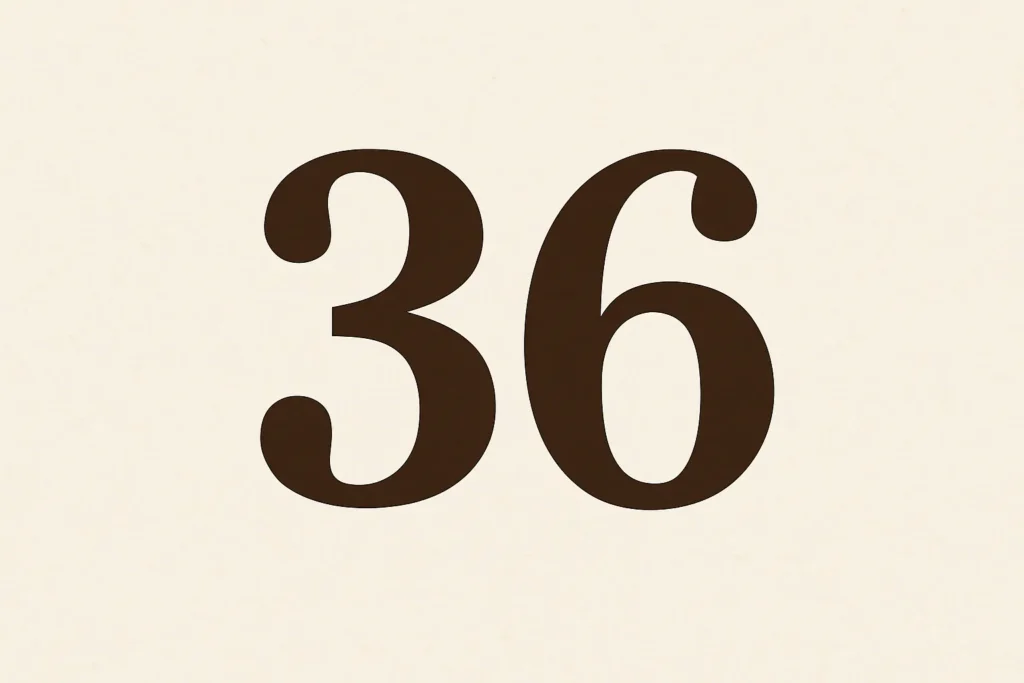
Welcome to a comprehensive guide about 36B — a bra size that combines a 36 band measurement with a B cup. This article explores what the 36B size means, how to measure yourself accurately, how to choose the right bra for this size, and how to care for and wear bras so that a 36B fits well and remains comfortable. Whether you’re new to bra sizing or you’re looking to better understand fit across brands, this guide uses clear explanations, practical tips, and common-sense advice to help you use the 36B size with confidence. We’ll also discuss variations of this size, including sister sizes and how different bra styles interact with a 36B body shape.
The designation 36B refers to two distinct parts of a bra size: the band size and the cup size. In practice, this means a bra whose band circumference is around 36 inches and whose cup volume is what a letter B represents within that band’s context. It’s important to understand that sizing systems vary by region and by brand, so the letter does not translate perfectly from one brand to another. Still, the two components—band and cup—are the core language of most bra sizing conventions.
Key ideas to keep in mind about 36B:
Band size 36 means the under-bust measurement (the part of your torso right beneath the breasts) is in the range where a 36 band is appropriate, typically around the mid to upper 30s in inches.
Cup size B indicates a cup volume that, in relation to the 36-band, provides a certain amount of breast tissue capacity. The B cup is often described as a modestly sized cup that pairs with a medium-band size; it’s common and widely available in many brands.
Brand and style differences can shift how that 36B fits in practice. Some brands may run tighter or looser, and some styles may feel more or less accommodating for the same size.
In everyday terms, a person who wears 36B is typically someone with a torso measurement around 36 inches under the bust and a bust circumference that results in a B-cup difference. The actual experience of fit depends on your body proportions, the bra style you choose, and how weight fluctuations or posture affect your ribcage and bust.
Why this matters: understanding 36B as a combination of band and cup helps you navigate shopping, try-ons, and alterations more effectively. It also clarifies why two people with the same 36B label can feel different in terms of comfort and shape, depending on their specific anatomy and the bra design they wear.
How to measure for a 36B
Accurate measurement is the foundation of a good fit. If you already know your measurements, you can skip ahead to using them for choosing bra styles and trying on options. Here are practical steps to measure for a size that aligns with 36B:
Step 1: Measure your band size
Wear a comfortable, non-padded bra or no bra at all.
Stand up straight and wrap a soft measuring tape around your ribcage directly under your bust. The tape should sit snugly but not compress the skin.
Take the measurement in inches. Round to the nearest whole number. If you’re between sizes, you’ll often round up. For example, a 35.5" under-bust measurement is typically treated as a 36 band in many sizing systems.
Note that in some regions, you may need to add or subtract a specific increment to convert to a standard band size. In many Western systems, the under-bust measurement itself is treated as the band size with minor adjustments depending on the brand's sizing chart.
Step 2: Measure your bust size
Measure around the fullest part of your bust with the tape straight across your back and perpendicular to your torso. Make sure the tape is not too tight and not too loose; you should be able to slide a finger under the tape.
Record the measurement in inches. Do this while wearing a non-padded bra or without one if you’re trying a new style and want to see how it behaves without extra padding.
Step 3: Determine your cup size
Subtract the band measurement from the bust measurement. Each inch of difference corresponds to a cup letter in many sizing conventions: 1" = A, 2" = B, 3" = C, 4" = D, etc. For example, if your band measurement is 36" and your bust is 38", the difference is 2" — typically a B cup on a 36 band.
Keep in mind that different brands use slightly different cup sizing scales, and some brands may run slightly smaller or larger in cup volume. It’s common to try a few sizes or a few brands to find your best match.
Practical note: If your measurements yield a 36" band and a 2" difference, you’ll likely wear a 36B in many brands. If you consistently find that the cups run small or large, consider trying a sister size (discussed below) or experimenting with different bra styles to achieve a comfortable seal and good coverage.
Sister sizes and variations of 36B
Bras are designed with a band and cup system, but sister sizes let you swap a band size up or down while maintaining a similar cup volume. This can be helpful if you find that a 36B is slightly too tight around the band or slightly too loose in the cup. The concept is simple: changing the band size by one number typically changes the cup size by one letter in the opposite direction.
Why this matters: knowing sister sizes gives you more options when trying to find a comfortable fit, especially if you’re between sizes or if a brand’s sizing runs differently. For example, a 34C might fit you similarly in cup volume to a 36B, but with a tighter band. Conversely, a 38A may offer a looser band and a similar cup capacity. Use sister sizes as a guide, but always check fit by trying the bra on or using a reliable return policy when shopping online.
In addition to traditional band and cup sizing, some brands experiment with custom shapes, including demi cups, full-coverage cups, and balconette styles that can affect how the numbers feel on your body. Being aware of these variations helps you interpret size labels more effectively.
Choosing the right 36B bra: style and fabric considerations
Not all 36B bras are created equal. The right bra for a 36B depends on your activities, your preferred level of concealment, and your comfort priorities. Here are common bra styles and what they offer for someone who wears 36B:
Everyday T-shirt bras
These are designed for smooth lines under clothing. They typically have molded or seamless cups that stay invisible under knit tops. For many people with a 36B, {T-shirt bras} provide comfortable coverage and a natural silhouette. Consider options with:
Light padding or medium padding for shape without appearing bulky
U-shaped or underbust seams that remain unobtrusive under fitted tops
Smooth fabrics like microfiber or microfiber blends
Full-coverage bras cover more of the breast and can prevent spillage, while demi-cup designs expose more of the upper breast for a rounded look. For 36B wearers, the choice depends on your breast shape and neckline preferences. In some cases, a demi-cup can create a flattering, open neckline, while a full-coverage option might be better for all-day support and smoothing.
Seamed vs. seamless
Seamed cups (with vertical or diagonal seams) can offer more lift and shape, particularly for women with a heavier tissue distribution. Seamless or molded cups provide a sleek silhouette and are often favored for t-shirts and close-fitting tops. For many 36B wearers, a combination like a molded seamless cup with light padding works well for everyday use and layering.
Push-up and shaping bras
Push-up bras add a bit of lift and can create a more pronounced cleavage, which some people prefer for certain outfits or occasions. If you’re considering a push-up style, try on with your typical outfits to ensure comfort and natural appearance. Note that pushing the breasts upward changes the perceived cup volume, so you may try a sister size or a different padding level to balance projection with comfort.
Sports bras and active wear
When engaging in physical activity, a well-fitting sports bra is essential. For 36B wearers, look for:
For many 36B wearers, strap fit matters as much as cup fit. Look for attention to strap width and adjustability. Wider straps can distribute weight more evenly, while fully adjustable straps let you fine-tune shoulder comfort and prevent strap slippage.
Bra fit signs: when a 36B is fitting well (and when it isn’t)
A good fit feels comfortable and secure without sacrificing mobility. Here are practical indicators that a 36B bra is fitting well, plus signs to watch for that indicate adjustments are needed:
Band feels snug but not tight: The band should be level around your torso and provide most of the support. You should be able to slide two fingers under the band with some resistance, but it should not move up your back when you lift your arms.
Cups contain all breast tissue: There should be no overflow (boob spillage) or gaps at the cup edges. If the upper edge of the cup gapes, you may need a slightly larger cup or a different cup shape.
Center gore sits flat against the sternum: The center of the bra (where the cups meet) should lie close to the sternum. If it floats away from the chest, your cup size may be too large or the band too loose.
Shoulder straps are not digging in: Straps should support the weight without causing significant indentation or discomfort. If straps slip off easily, you may need a firmer band or different strap design.
Back band level and straight: The back band should stay horizontally across your back rather than riding up. If the band rides up, consider a smaller band size or different style.
Common issues and quick fixes:
If the band rides up the back, try going down one band size and up one cup size (e.g., from 36B to 34C) or switch to a more supportive style with a thicker band.
If there is spillage at the top of the cups, you might need a larger cup size or a different cup shape that better accommodates your bust shape.
If the cups gap at the top, look for a bra with a deeper cup or try a different brand that runs deeper in the cup.
Care, maintenance, and longevity of a 36B wardrobe
A well-cared-for bra, including a 36B size, lasts longer and maintains fit better. Here are practical care tips to extend the life of your bras:
Hand wash when possible or use a delicate cycle in a lingerie bag to minimize wear on the elastic and cup seams.
Use mild detergent designed for delicates; avoid fabric softeners, which can break down elastic over time.
Rinse thoroughly to remove all soap and prevent residue that can irritate the skin or degrade fabric.
Lay flat to dry or hang by the center gore, not by the straps, to maintain cup shape and band elasticity.
Avoid wringing or twisting the bra when wet, which can stretch the band and distort cup shapes.
Rotate through several bras rather than wearing the same one every day to reduce wear on any single band.
Storage matters too: keep your bras in a way that preserves cup shape. Some people stack or lay them flat, while others lay them in a drawer with cups nested to maintain shape. For 36B wearers, maintaining the structural integrity of the band and the cup is essential for long-term comfort.
Common questions about 36B and practical tips
Here are quick answers to frequent questions people have about the 36B size:
Is 36B the same in every brand? No. Sizing can vary by brand, country, and even by style within a brand. Always try on or consult the brand’s sizing chart when possible, and look for reviews from people with similar body types.
What if I’m between sizes? If you’re between band sizes, you can try a size within the sister size range or adjust by choosing a different style (e.g., 34C or 38A). Many people find a snugger band with a slightly smaller cup provides better support for certain activities.
Can a 36B be comfortable for sports? Some 36B wearers find sport-specific bras with encapsulation and wide bands comfortable for workouts. It’s worth trying one with good support and moisture-wicking fabric for high-impact activities.
How often should I replace a 36B bra? Bra components wear out over time. If you notice stretched bands, stretched straps, or slipping cup edges, it’s time to replace. Typical life expectancy for a daily-use bra is about 6–12 months with regular wear; sports bras may last longer if properly cared for.
Practical tip: when you’re shopping for a 36B bra, consider trying at least three different styles (for example, a seamless T-shirt bra, a full-coverage option, and a demi or balconette) to determine which shape best suits your breast tissue distribution and clothing needs.
36B across body types and outfits
The experience of wearing 36B can differ across body types and clothing choices. Here are considerations for optimizing fit in real-life scenarios:
Body shapes and how they interact with 36B
Petite frames with a natural 36 band may find some styles too wide in the band; look for demi-cup or narrower-width bands that still provide adequate support.
Average-to-full busts with a 36B can find many options, but some shapes may benefit from a lightly padded or molded cup for extra coverage under certain necklines.
Hourglass or rectangular builds often enjoy a balance of support across the band and a cup that contours smoothly over the breast, with styles that minimize side spillage.
Outfit considerations
Under fitted knitwear or white shirts, a smooth cup (seamless/t-shirt style) reduces visible lines and creates a clean silhouette.
Under low-cut or off-the-shoulder tops, a demi-cup or balconette can offer a flattering neckline without spillage, but ensure coverage remains adequate.
For formal wear or evening looks, a lightly padded or structured cup can enhance shape while staying discreet under fabrics like satin or mesh.
36B in everyday life: confidence, comfort, and consistency
Beyond measurements and styles, the experience of wearing a 36B bra is about comfort, confidence, and appropriate support for your day-to-day activities. When you have a bra that fits well, you may notice less shifting of the torso, fewer adjustments, and a more comfortable feel during movement. The goal is to achieve a balance where the band provides the anchor while the cups support without squeezing or gapping.
Practical habits for staying comfortable:
Try on new sizes or styles at the end of the day when breasts are naturally fuller. This gives you a more realistic sense of fit during typical wear.
Wear the correct size for the activity. For example, you may prefer a more supportive, full-coverage style during work hours and a lighter, seamless option for casual wear.
Pay attention to changes in body shape due to hydration, hormones, weight fluctuations, or age. Regular re-measurement every 6–12 months (or after significant changes) helps maintain an accurate fit.
Where to shop for 36B bras and how to try before you buy
Shopping for a 36B can be straightforward, but it helps to know where to look and what to try. Consider these tips when shopping:
Visit a specialty lingerie store for a professional fitting. A professional fitter can measure you accurately and suggest brands, cup shapes, and band sizes that suit your body.
Check size guides and customer reviews when shopping online. Look for notes about brand-specific fit, cup depth, and band stretch.
Take advantage of brand return policies. If you order a few options in 36B and sister sizes, you’ll have the flexibility to try at home and return what doesn’t fit.
Consider trying multiple brands. Some brands correspond more closely to your body shape in 36B than others, and that’s completely normal.
For many people, building a small collection of 36B options—spanning everyday wear, specialty pieces, and a sport-friendly option—creates a reliable foundation.
Conclusion: embracing the 36B size with informed choices
In closing, 36B is more than a label—it’s a practical starting point for understanding your torso measurements and breast volume in relation to clothing and undergarments. By focusing on the two core elements—band size and cup size—you can decode sizing labels, navigate variations across brands, and select the bra styles that align with your lifestyle and preferences. Whether you’re seeking everyday comfort, a shaping option for tailored outfits, or a supportive option for physical activity, there are numerous routes to achieving a secure, flattering fit within the 36B range. Always prioritize how a bra feels when you move, sit, and breathe, and use measurement knowledge, sister sizes, and fit signs to guide your choices. With informed exploration, you can build a confident, comfortable undergarment wardrobe that serves you well in all your activities.









Leave a Reply