How Should I Dress Today? Practical Outfit Ideas for Any Weather and Occasion
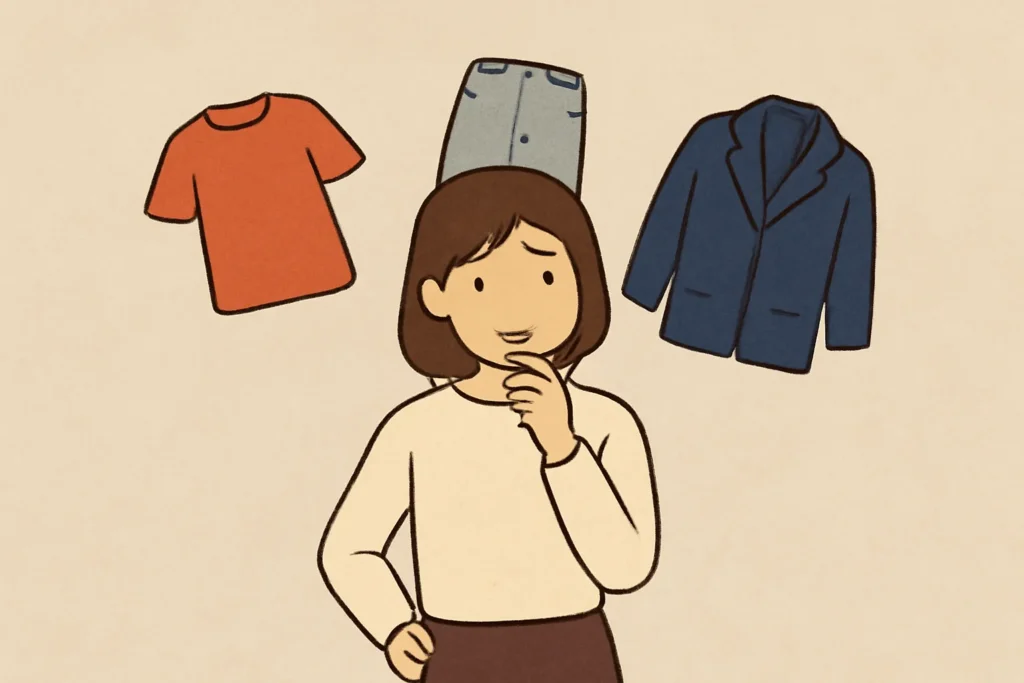
The question “how should i dress today?” doesn’t have a single answer. It depends on the weather, your plans, your personal comfort, and the impression you want to convey. This guide is designed to help you translate a forecast into a wardrobe plan that keeps you comfortable, confident, and appropriately dressed for whatever the day brings. By focusing on weather-aware layering, smart fabric choices, and adaptable outfit formulas, you can answer that everyday question with clarity and ease.
Understanding Today’s Weather: The First Step
To dress well for the day, start with a clear read of the forecast. The weather is more than the high and low temperatures; it’s about how humidity, wind, rain, and sun will interact with your activities. When you ask “how should i dress today”, consider these factors:
Temperature range (including feels-like temperature): What will the thermometer read when you step outside, and how will your body perceive it?
Wind and precipitation: Is there wind that can make a mild day feel colder, or rain that calls for protection?
Humidity and breathability: Will you be sweating inside or staying comfortable in a single layer?
Activity level: Are you sitting in a meeting, walking to work, or moving around outdoors?
Sun exposure: Do you need sun protection or cooling fabrics?
When you’re deciding what to wear today, you can phrase your plan as a simple rule: tailor your outfit to the conditions you’ll actually encounter, not just the forecast’s statistical highs. A practical approach is to think in terms of layers that you can add or remove, swap in lighter or warmer pieces, and adjust for indoor vs outdoor transitions.
Layering Strategy: Build Outfits Without Overheating
Layering is the core skill behind reliable daily dressing. The goal is to be comfortable in changing conditions and to avoid bulky or bulky-to-remove outfits at the wrong moment. A well-executed layering system usually consists of three tiers: baselayer, midlayer, and outerwear. You can dial these layers up or down depending on the weather and your activity level.
Baselayers, Mid-layers, Outerwear
Baselayer (the closest layer to your skin): choose fabrics that wick moisture and breathe well—cotton is comfortable but can trap sweat; consider merino wool, cotton blends, or technical synthetics for better dryness and temperature management.
Midlayer (insulating but not bulky): options include lightweight fleece, thin down or synthetic insulators, or a knit sweater. This layer traps warmth without creating a heavy, rigid feel.
Outerwear (protection from wind, rain, or cold): depending on conditions, this could be a windbreaker, rain jacket, trench, or heavier coat. Look for things like a waterproof membrane, sealed seams, and adjustable hems to tailor coverage.
A few practical rules to apply across days:
Layer up early if you expect outdoor exposure or a chilly indoor space. You can always remove a layer if indoors or if you’re warming up.
Choose breathable fabrics for inner layers to prevent overheating and damp coverage.
Protect extremities—hats, scarves, gloves, and waterproof footwear can make a big difference in comfort on windy or wet days.
For many people, a reliable daily approach is to pick one base outfit and then adjust with two quick swaps: a lighter outer layer for mild days and a warmer mid layer for cooler moments. The idea is to keep your core comfortable while providing easy adjustments as conditions shift.
Outfit Formulas for Different Weather
Weather-specific formulas help you translate forecast details into concrete wardrobe choices. Below are adaptable templates that you can personalize with your style, color preferences, and wardrobe staples. You’ll notice repeated emphasis on layers, protection from elements, and versatility.
Sunny and Mild (roughly 60–75°F / 15–24°C)
Outfit idea: breathable top (cotton, linen, or a moisture-wicking tee) + midweight chinos or a knee-length skirt + light jacket or cardigan if air-conditioning is strong.
Footwear: comfortable sneakers or loafers; sunglasses optional.
Accessories: a light scarf for sun-shielding if needed, and a water bottle to stay hydrated outdoors.
Hot and Humid (above ~85°F / 29°C with high humidity)
Outfit idea: loose-fitting, breathable top + shorts or a lightweight skirt + open-toe sandals or breathable sneakers.
Fabric guidance: linen blends or moisture-wicking jerseys to help you stay cool.
Protection: hat with brim and spf sunscreen for exposed skin.
Cool and Dry (50–65°F / 10–18°C)
Outfit idea: long-sleeve knit or turtleneck with mid-weight pants or a skirt with tights.
Layering: add a light jacket or cardigan for personal warmth; you can remove as you move indoors.
Footwear: closed-toe shoes, perhaps with light socks for warmth without bulk.
Cold and Dry (below ~45°F / 7°C)
Outfit idea: thermal base layer + wool sweater or fleece + insulated coat.
Bottoms: thermal leggings or lined pants for extra warmth; add a scarf and gloves if needed.
Footwear: insulated boots or sturdy shoes with thick socks.
Rainy and Windy (any temperature, but clothing should stay dry)
Outfit idea: waterproof shell or rain jacket + water-resistant pants or quick-dry shorts if weather is mild.
Layer: under the shell, wear a breathable layer to prevent sweat buildup.
Footwear: waterproof boots or wellington-style shoes to keep feet dry.
Windy (wind chill requires extra protection)
Outfit idea: wind-resistant outer layer paired with a warm mid-layer and derm-preserving base for comfort.
Accessories: earmuffs or cap, gloves, and a snug scarf.
Across these scenarios, the recurring principle is versatility through layering. The same core pieces can be mixed and matched to cover many weather combinations, making today’s outfit planning efficient and flexible.
Outfit Ideas by Occasion
Beyond weather, the occasion shapes what you should wear. Below are practical templates you can adapt for daily life, work, social events, travel, and recreational activities. You’ll notice a consistent emphasis on comfort, fit, and a balanced silhouette.
Work or office
Outfit idea: structured blazer + button-down shirt or a smart blouse + slim trousers or a pencil skirt.
Color approach: keep a neutral base (navy, charcoal, black) and introduce a subtle color or pattern via a top or accessory.
Footwear: polished loafers or dress flats for comfort and a professional look.
Outfit idea: soft tee or casual knit + jeans or cargo pants + light jacket or cardigan.
Layers: add a denim or utility jacket for a relaxed vibe and practicality.
Footwear: sneakers or casual flats for all-day comfort.
Formal event or dinner
Outfit idea: dress or tailored suit with dress shirt and polished shoes; for women, consider a knee-length dress with a shoes choice that flatters the line.
Fabrics: choose smooth fabrics with a good drape like wool, crepe, satin, or moiré for impact.
Accessories: a belt to define the waist or a statement necklace or classic watch.
Travel and commuting
Outfit idea: stretch fabric pants or machine-washable dress with a soft layer for changing climates.
Practicality: pick pieces that are easy to layer, quick-dry, and resist wrinkling; a compact packable rain shell is a plus.
Footwear: comfort-first sneakers or light hiking shoes for longer days.
Active or outdoor activities
Outfit idea: performance base layer + stretchable outer layer with weather-appropriate footwear.
Materials: moisture-wicking fabrics and breathable panels help with temperature regulation during activity.
Extras: a hat or cap for sun, and a lightweight backpack or belt bag for essentials.
Evening out
Outfit idea: smart-casual dress or structured top with sleek bottoms, layered with a refined outer layer for a chic silhouette.
Color and texture: incorporate a rich fabric texture (velvet, crepe, or satin) for evening polish without sacrificing comfort.
Footwear: choose comfortable heels or modern boots depending on the venue.
Materials and Fabric Knowledge
The fabric you choose can dramatically influence comfort, warmth, and appearance. A thoughtful combination of fabrics helps you answer “how should i dress today” with confidence, no matter the forecast.
Natural fibers (cotton, wool, linen) offer breathability and comfort, but may require layering for warmth or moisture management in damp conditions.
Merino wool is widely praised for insulation, odor resistance, and temperature regulation; it performs well in a range of temperatures and can be worn as a base or mid-layer.
Synthetic technical fabrics (polyester blends, nylon, spandex) provide moisture-wicking properties, quick-drying performance, and stretch for mobility—great for active days or travel.
Lek feel and drape fabrics (crepe, jersey blends, rayon) can elevate a casual look into something more polished without heavy weight or stiffness.
Waterproof and windproof coatings are essential for rainy or windy days. Look for breathable membranes and taped seams to keep you dry without overheating.
When selecting fabrics, think about moisture management, temperature regulation, and ease of care. A practical wardrobe for daily decisions prioritizes fabrics that dry quickly, resist wrinkles, and maintain shape after movement. This helps you stay comfortable while you answer the question “what should i wear today” with less fuss.
Color and Shape: Visual Strategy
Your color choices and silhouette affect how you’re perceived and how you feel in your clothes. A deliberate approach to color and shape can improve versatility and confidence, especially when you’re sourcing pieces for multiple weather scenarios and occasions.
Neutral bases (black, navy, gray, taupe, white) create a cohesive core that mixes well with bold accents. A neutral base makes it easy to adapt to both professional and casual settings.
Accent colors can energize a look. Use small pops of color in accessories, such as scarves, belts, or shoes, to reflect mood or season without overwhelming the overall silhouette.
Texture and sheen add depth to simple outfits. A matte base with a glossy accessory or a textured knit can elevate an otherwise straightforward look.
Proportions matter for flattering fits. If you wear looser tops, balance with tapered or straight-leg bottoms; if you’re in a slim silhouette, consider a slightly longer outer layer to maintain proportion.
To evolve your daily wardrobe, consider building a small color palette for the week or month that aligns with your skin tone and lifestyle. This makes the task of answering “how should i dress today” less daunting and more creative.
Capsule Wardrobe and Packing Tips
A capsule wardrobe approach reduces decision fatigue and helps you plan outfits that work across many days in a row, including days with mixed weather. Here are practical steps to build a functional capsule and pack efficiently.
Select a color capsule with a few core colors that mix and match easily (for example, navy, gray, white, black, and a couple of seasonal accent colors).
Choose versatile pieces (a blazer, a simple dress, a pair of dark jeans, a weatherproof jacket, a lightweight sweater, and a reliable pair of shoes) that can be dressed up or down.
Prioritize layering pieces with breathable materials for adaptability—think cardigans, light shells, and thin vests that don’t add bulk.
Pack smart for travel or daily commutes by folding fabrics that don’t crease easily and selecting pieces that you can layer on the go. A compact rain shell and a compact scarf can transform a single outfit into multiple looks.
For a practical morning routine, you can start with a single base outfit and plan to add or subtract a single layer depending on the forecast. This keeps your choices straightforward and reduces the risk of overdressing or underdressing for the day.
Safety and Comfort: Practical Considerations
Comfort and safety should guide every daily decision about what to wear. Here are some reminders that apply regardless of season or event.
Foot protection matters—choose footwear that fits well, supports your arches, and suits the day’s activities to prevent fatigue and discomfort.
Visibility and weather safety for darker mornings or evenings: incorporate reflective elements or brighter accessories if you’ll be outdoors in low light.
Layering for safety—layered outfits can protect you from sudden temperature shifts, but avoid overheating in indoor spaces; you should be able to remove layers comfortably.
Accessories as protection—a hat for sun, a rainproof umbrella, and a waterproof bag protect your belongings while keeping you comfortable.
Common Mistakes to Avoid Today
To reduce the risk of grabbing the wrong outfit again, watch for these frequent missteps and learn how to correct them in advance.
Overdressing for the forecast—choosing heavy items for a warm day, or vice versa, makes you uncomfortable and can waste energy.
Underestimating layering—skipping layers on a windy or damp day leads to shivering or sweating in an ill-suited outfit.
Ignoring fabric care—choosing fabrics that wrinkle easily or don’t dry quickly can ruin your look after a commute or workout.
Forgetting accessories—small items like belts, scarves, or light jackets can complete an outfit and adapt it to changing weather.
Neglecting footwear quality—comfortable, supportive shoes make a huge difference in daily comfort and posture; don’t compromise on fit or support.
Putting It All Together: A Quick Morning Routine
If you wake up and wonder “how should i dress today?”, start with a simple routine you can repeat. Here’s a straightforward checklist you can use each morning to decide quickly and correctly:
Check the forecast once more, focusing on temperature range, potential rain, wind, and indoor/outdoor transitions.
Choose a base layer that matches the expected climate and your activity level (t-shirt, lightweight blouse, or thin knit).
Pick a mid-layer if there’s any chill or air-conditioning to contend with (thin fleece, cardigan, or lightweight sweater).
Decide on outerwear based on rain/wind/cold risks and the environments you’ll encounter.
Select bottoms and footwear that align with comfort, mobility, and appropriateness for the day’s activities.
Assemble a small accessory set—hat, scarf, belt, watch, or sunglasses—to complete the look and add practical value.
Test the feel—before leaving, perform a quick movement check (sit, stand, walk) to ensure you won’t be uncomfortable or restricted.
By following this routine, you’ll consistently answer the question “how should i dress today” with practical, weather-aware outfits that match your plans and personal style.
Final Thoughts: Personal Style and Practicality Aligned
The best daily dressing approach blends personal style with practicality. You don’t have to surrender your aesthetic to stay comfortable; you simply need to curate a wardrobe that supports your activities, climate, and mood. By embracing weather-aware layering, understanding fabrics, and building a flexible capsule, you’ll have more time to focus on the day’s tasks and less time worrying about what to wear.
Whether you’re asking “how should i dress today” in a casual Saturday, a busy workday, or a special event, you can rely on these principles: plan around the forecast, layer effectively, choose versatile fabrics, maintain a balanced silhouette, and tune your color palette for easy mixing and matching. With practice, answering “what should i wear today?” becomes less about a single outfit and more about a confident, adaptable approach to daily dressing.
Remember: your clothing should support who you are and how you move through the day. If you aim for comfort, adaptability, and a considered style, you’ll always look put-together while feeling prepared for whatever weather or occasion comes next. The process starts with a quick forecast check, a well-chosen base layer, and a thoughtful set of layers and accessories that you can adjust as the day unfolds.










Leave a Reply