Heaven Painting: The Ultimate Guide to Celestial Wall Art Ideas and Techniques
In the world of interior design, heaven painting stands out as a timeless approach to transforming walls into windows of light and symbolism. Whether you call it celestial wall art, a sky-inspired mural, or a heavenly painting, this genre invites the viewer to glimpse the sublime: vast skies, whispered clouds, distant galaxies, and the idea that art can elevate daily life. This guide is written to help artists and homeowners alike explore the full spectrum of heavenly art ideas—from classic, fresco-like scenes to contemporary interpretations that feel both intimate and expansive. If you crave spaces that breathe, glow, and remind you of something larger than the room, you’ve arrived at the right place.
Below you’ll find a thorough exploration of heaven painting concepts, practical techniques, color theories, and step-by-step methods to bring celestial vibes into any space. We’ll cover traditional and modern styles, digital and analog approaches, materials and tools, and project plans suitable for a beginner, a serious hobbyist, or a professional studio. The goal is not to prescribe one look but to provide a flexible toolkit—so you can craft cosmic wall art that resonates with your own sense of wonder.
What is heaven painting?
Definitions and synonyms
The term heaven painting is a broad umbrella that encompasses any wall art that evokes the skies, the heavens, or ethereal realms. It can be literal—depicting clouds, angels, stars, and light—or abstract, capturing the feeling of ascent, serenity, and transcendence. Artists often describe celestial painting as a dialogue between earthly space and cosmic imagination. In other words, it is both decoration and narrative: a way to tell a story of aspiration, faith, or gratitude through color, texture, and form.
When you explore variations like heavenly mural, celestial artwork, or astral wall art, you are not changing the essence of the practice—you're expanding the vocabulary. A sky-inspired mural can be performed on a single accent wall or extended across multiple panels to create a panoramic scene. A cosmic color study might lean into abstract gradients and light, rather than concrete figures. The semantic breadth of heaven painting is its adaptability: it can be tranquil and meditative, dramatic and awe-inspiring, or playful and dreamlike.
Why celestial wall art resonates
There are psychological and aesthetic reasons why heaven painting continues to draw people. The sky is the largest, most accessible canvas we know—it invites contemplation and resets the mood of a room. The elements of sky—stretching horizons, soft clouds, the spark of distant stars, the glow of a sunrise—have a universal language that transcends cultures. A well-executed celestial wall art can:
Expand perceived space by drawing the eye upward and outward.
Provide a soft contrast to furniture and textures, balancing warmth and coolness.
Create a focal point that is both peaceful and informative—like a window into another realm.
Serve as storytelling art—a personal myth, memory, or moment of awe captured in pigment.
Offer color therapy possibilities—calming blues, enlivening ambers, or dreamlike purples can shape the room’s mood.
Styles and moods for heaven-themed walls
Classical heavenly murals
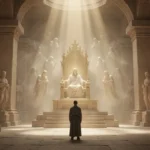
The classical approach to heaven painting often recalls Renaissance ceiling frescoes, with idealized clouds, cherubs, and a balanced, harmonious composition. Light is sculpted as if it comes from above, and the palette leans toward soft pastels, creamy whites, and gilded accents. In a modern home, a classical celestial mural can be scaled to a single feature wall or wrap around the ceiling for a subtle, immersive effect. Techniques blend glaze layers and soft blending to achieve the depth and airiness of ancient masterpieces.
Modern celestial abstractions
If you prefer a more contemporary sensibility, consider modern heaven painting that uses bold gradients, geometric shapes, and luminous, non-representational forms. Think of large swaths of color that morph from dawn to night, or abstract swellings of light that resemble auroras or solar plumes. This style embraces negative space, texture contrasts, and digital-influenced precision while still evoking the sense of ascent and wonder. A celestial abstraction often works well as a statement piece in minimalist interiors.
Romantic skies and pastoral heavens
A romantic sky or heavenly landscape captures mood through emotive color and soft contours. Gentle hills, airy clouds, birds in flight, and warm glows can create a sense of safety and nostalgia. This mood is well-suited to bedrooms, nurseries, or reading nooks where comfort and aspiration meet. The beauty of a heavenly mural with pastoral elements lies in its approachable, almost lullaby-like quality.
Dreamlike and ethereal atmospheres
The ethereal heaven painting leans into translucence, mist, and light that seems to hover just beyond the surface. Artists may build layers of glazing, misty edges, and delicate highlights to craft a space that feels otherworldly yet intimate. This mood often benefits from glaze techniques, soft brushes, and subtle color harmonies that create a sense of breath and presence.
A cosmic wall art evokes the vastness of space with deep midnight blues, jeweled stars, and subtle nebulae. It can be a dramatic counterpoint to a bright room or a serene sanctuary for reflection. Techniques include spattering for stars, gradient skies, and careful planning of negative space to let the dark surround the light. For spaces intended to inspire, a astral mural can feel like a quiet conversation with the universe.
Techniques and methods for heaven-inspired art
Traditional painting techniques
If you’re aiming for a hands-on heaven painting, traditional methods provide depth, texture, and longevity. Key techniques include:
Underpainting to establish a tonal map for clouds and horizons.
Glazing with transparent layers to create luminous color and depth.
Scumbling for soft, broken color edges that resemble mist and cloud edges.
Luminous layering to simulate atmospheric perspective—foregrounds warmer, backgrounds cooler and lighter.
Feathered blends for cloud forms that feel airy rather than solid.
For a classical celestial mural, these steps work well when combined with careful planography—sketching the composition first, then applying color with thin glazes to build glow from within.
Digital approaches to heaven painting
Digital tools open new horizons for digital heaven painting. They allow for precise gradients, star fields, and cosmic textures that can be printed as wall coverings or projected as temporary murals. Popular workflows include:
Digital painting in software like Procreate, Photoshop, or Krita to create layered skies and nebulae.
Photobased backdrops that are manipulated and color-corrected to achieve a perfect celestial mood.
Printed wall vinyl or wallpaper with high-resolution celestial imagery for a dramatic, seamless effect.
Projectors for changing skies over time, turning the room into an evolving celestial theater.
When using digital methods, plan for color fidelity and scale. A sky-inspired mural printed at the correct resolution must align with your wall dimensions, and you may need to adjust for viewing distance so the stars never appear pixelated at arm’s length.
Mixed media and texture explorations
A compelling mixed-media heaven painting blends traditional pigments with texture media—gesso, modeling paste, metallics, or mica flakes—to catch light in different ways. Consider combining cloud modeling paste with translucent glazes on top to simulate the depth and weight of clouds. Metallic accents or iridescent sheens can evoke celestial bodies without overpowering the space.
Color palettes and mood boards for celestial walls
The palette you choose will largely determine the room’s atmosphere. Here are some staple palettes for heaven painting, along with practical notes on lighting and compatibility.
Dawn to daybreak palette — soft peaches, blush, pale gold, sky blue. Ideal for living rooms and bedrooms that aim for warmth and openness.
Midnight cosmos palette — deep indigo, ultramarine, charcoal, with specks of silver or pale gold for stars. Perfect for dramatic features and intimate spaces.
Pastel heaven palette — lilac, mint, pale pink, and creamy white. A tranquil, dreamy option for nurseries or bathrooms.
Aurora borealis palette — emerald, teal, magenta, cobalt, and a touch of metallics to evoke northern lights across the ceiling or an accent wall.
Sunset gradient palette — warm oranges, coral, pinks, and soft mauve, transitioning into a pale blue—great for a feature wall that feels buoyant and uplifting.
When designing a palette, consider
color theory principles like color temperature, contrast, and harmony. A heavenly mural can balance a bold room by using a cooler background with warmer cloud highlights, or vice versa, to create a sense of weight and relief.
Tools, materials, and workspace for heaven-inspired art
Traditional supplies
Begin with a reliable kit tailored to your preferred scale and technique. A well-equipped starter setup for heaven painting might include:
Primed canvases or wall-friendly acrylic/gouache panels
Acrylic or oil paints (your chosen medium), plus medium/retarder
Soft synthetic brushes in a range of sizes for cloud textures
Sponges, rags, and bristle fans for cloud edges and atmospheric effects
Palette knives for subtle texture and glazing
Gesso, modeling paste, or other texturing mediums for cloud and nebula relief
Glazes and retarders to achieve depth and luminosity
Painter’s tape and level for clean edges on walls
Lighting considerations: daylight-balanced lamps to judge true color
Digital and projection tools
For digital celestial work or hybrid installations, you might use:
Graphic tablet and stylus for precision detailing
Color-calibrated monitor to ensure color fidelity
Projector for projected sky scenes or stencils
Printer-friendly files for wall decals or wallpaper
Heat gun or cooling tools if you apply mold-resistant plaster or textured finishes on walls
Step-by-step project: a beginner-friendly celestial wall art
If you’re new to heaven painting, a focused, beginner-friendly project can help you practice layering, blending, and scale. The following steps outline a simple, elegant sky-inspired mural that fits a standard bedroom or living room wall. You can adapt the scale and palette as needed.
Plan and sketch — Measure your wall and decide whether you want a full-wall sky or a single panel. Lightly sketch a horizon line and key cloud groupings with a pencil, noting where stars or light will appear.
Create a tonal map — Apply a thin wash (or a light acrylic) to establish the overall value range. Start with a cool blue at the top and transition to warm tones near the horizon if you want a dawn or dusk effect.
Block in major color fields — Use broad brushes to paint the main areas: upper sky, middle atmospheric layer, lower cloud band. Don’t worry about perfect blends yet; this is about composition and massing.
Develop cloud shapes — With a soft brush or sponge, build fluffy cloud masses. Work from light to dark, layering to create depth. Introduce gentle highlights to suggest light catching the edges.
Introduce light sources — Add a glow element that could imply the sun or a dawn light. Use a very pale yellow or white with a soft edge to simulate radiant light behind clouds.
Spatter or speckle for stars — If your mural includes stars, use a small brush or toothbrush to gently flick white or pale paint onto the upper areas, varying density for realism.
Refine and glaze — Apply a transparent glaze to deepen color and unify the composition. A cool glaze over the upper sky can push the sense of atmosphere, while a warmer glaze near the horizon can harmonize the glow.
Protect and finish — Once dry, seal with a varnish suitable for your paint type if needed, and step back to evaluate. Make tweaks as necessary to balance light and color.
This basic project demonstrates how to establish layers of light, depth, and soft edges—core elements of any heaven painting that aims to transport viewers beyond the room.
Care, maintenance, and longevity of celestial wall art
A celestial mural or heavenly artwork can last for decades with proper care. Here are practical tips to preserve color, texture, and luminosity:
Keep away from direct sunlight to avoid fading of pigments.
Use UV-filtering window coverings or shade the wall when possible.
Dust gently with a microfiber cloth—avoid abrasive cleaners that could damage glaze or texture.
In high-humidity rooms, consider sealants or humidity control to prevent warping or mold in textured finishes.
Inspect periodically for cracks or flaking and address with appropriate conservator-approved materials.
For digital or printed elements, ensure print substrates are rated for indoor use and properly sealed if exposed to moisture.
Common mistakes and how to avoid them
Some pitfalls in heaven painting projects include overcomplication, misaligned scale, and color clashes that overwhelm the room. Here are practical cautions and remedies:
Overcrowding the composition — Keep focal areas clear and allow breathing room around key elements like bright stars or a radiant sun.
Inconsistent lighting — Compare colors in natural light and under artificial lighting to ensure the painting reads well at different times of day.
Unbalanced color temperature — Use complementary or analogous palettes to maintain harmony; if you use a cool blue backdrop, offset with warm highlights.
Rushing glazing layers — Allow each glaze to dry properly to prevent muddy color and loss of luminosity.
Ignoring wall texture — If the wall is highly textured, plan for the texture to contribute to the sky’s atmosphere, not fight against it.
Inspiration, resources, and where to look for ideas
Inspiration for heaven painting can come from many sources: classic frescoes, modern digital art, astronomy, nature, and poetry. Here are categories and ideas to spark your process:
Art history— study ceiling frescoes and romantic landscape murals for composition and light handling.
Photography— examine photographs of sunrises, star fields, and cloud formations to translate into painting language.
Astronomy— incorporate elements like nebulas, star clusters, and planet silhouettes with accuracy or abstracted forms.
Mood boards— collect color swatches, fabric textures, and lighting samples to define the room’s atmosphere.
Biophilic design considerations— connect the heavens to nature to create a holistic sense of space and well-being.
Useful avenues for learning include local workshops, online tutorials, books on color theory, and conversations with muralists or painters who specialize in atmospheric landscapes. If you’re exploring celestial wall art on a larger scale, consider consulting with a professional who can assist with wall preparation, measurement, and color calibration for the best possible outcome.
Project ideas: variations of heaven painting to suit spaces
The beauty of heaven painting lies in adaptability. Here are ideas organized by room type and vibe to help you choose a direction that aligns with your space.
Bedroom serenity — A soft dawn sky across the ceiling or a single wall that doubles as a window to a tranquil horizon, helping to promote calm and restful sleep.
Living room drama — A dramatic night sky with a subtle Milky Way arc, punctuated with star clusters and a glowing aurora line along the wall edge.
Nursery wonder — Gentle pastel clouds and tiny glowing stars, with rounded shapes and a comforting, lullaby-like color palette.
Home office focus — A balanced gradient from cool to warm that supports concentration and creativity, with a few sparkling accents to keep the space lively.
Entryway awe — A panoramic sky mural that expands the sense of space as you enter, perhaps with a bright sunrise that signals a fresh start.
Bathroom oasis — A misty cloudscape with reflective surface suggestions and mineral-like hues that evoke calm and spa-like ambiance.
For each of these ideas, you can mix traditional textures with modern finishes. A mixed-media heaven painting in a living room might combine painted clouds with metallic leaf accents along the halo of light, creating a subtle shimmer as guests move through the space.
Careers and skills: who paints heaven and why
You don’t need to be a fully trained muralist to experiment with heaven painting. Many artists and homeowners learn through practice and small projects, gradually expanding to larger walls or digital-to-wall installations. The key skills to develop include:
Observation of light — Understanding how light interacts with clouds, color, and texture.
Blending and edge control — Mastery of soft transitions to avoid harsh lines in sky scenes.
Color planning — Selecting palettes that hold up under different lighting conditions.
Texture sensibility — Using scumbles, sponges, and glazing to simulate atmospheric depth.
Spatial awareness — Framing a ceiling or wall so the eye travels naturally through the space.
If you’re pursuing a professional path, consider collaborating with interior designers, architects, or other artists who share an interest in celestial themes. A celestial mural can be a signature element of a design project, adding a sense of wonder and distinct identity to a space.
Closing thoughts: embracing the art of heaven
Heaven painting is more than a decorative choice. It is a deliberate invitation to pause, breathe, and reflect on the horizons beyond our daily lives. Whether you lean toward classical celestial murals or modern celestial abstractions, the central idea remains the same: to craft spaces where light, color, and texture collaborate to elevate mood and meaning.
As you begin your journey into celestial wall art, remember that every stroke is an opportunity to convey a feeling—serenity, awe, intimacy, or expansive joy. Let your wall become a window: a sky-inspired mural that carries your personal mythology into the room. With careful planning, patient layering, and a willingness to experiment, you can create a heavenly mural that truly feels like a doorway to something larger.











Leave a Reply