Church Security Plans: How to Create a Safe, Secure Church
Church Security Plans: How to Create a Safe, Secure Church
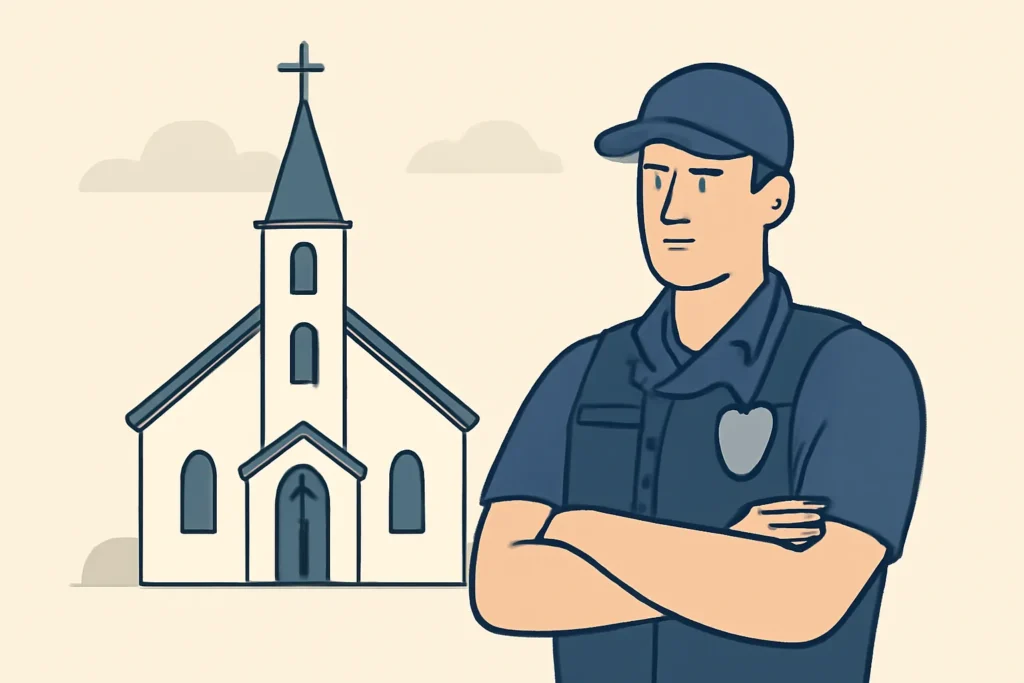
Church security planning is a holistic and proactive discipline that blends physical security, policies, personnel readiness, and community trust. In today’s environment, a well-designed security plan helps a church protect worshippers, staff, volunteers, children, and visitors while preserving the mission and welcoming atmosphere that define most congregations. This article offers a practical, comprehensive guide to creating a security plan for churches, including variations of the approach, the core components, and a path from initial assessment to ongoing improvement.
A security plan for churches is not a single document or a boxed set of rules. It is a living framework that includes risk assessment, governance, physical measures, procedural guidelines, training, and communication. The aim is to reduce risk, enable quick and coordinated responses to emergencies, and maintain a safe environment that is consistent with the church’s values of care and hospitality.
Across the broad landscape of houses of worship safety planning, there are variations in emphasis and scope. Some congregations prioritize rapid evacuation and crowd management, while others emphasize active threat protection and perimeter security. No one size fits all; the best plan adapts to a church’s size, layout, demographics, location, resources, and risk tolerance. The essential elements tend to be consistent, but the implementation details can differ substantially from one church to another.
Deliberate framework: risk assessment and governance
A robust security plan begins with formal governance and a careful assessment of risk. Governance establishes roles, accountability, and decision-making authority, while risk assessment identifies where vulnerabilities lie and what threats are most likely to occur. Combined, they set the stage for an informed, proportional approach to safety.
Identify assets: People (congregants, staff, volunteers, children), facilities (sanctuary, classrooms, kitchen, offices), equipment (AEDs, cameras, access controls), and information (member rosters, safeguarding records).
Catalog threats: Theft, vandalism, trespassing, medical emergencies, fires, severe weather, natural disasters, and violent incidents (including active threats or intrusions).
Assess vulnerabilities: Unlocked doors, blind spots in cameras, poorly lit parking lots, inadequate crowd flow, and gaps in communications during a crisis.
Evaluate consequences: How an incident would affect worship services, ministries, finances, and reputation; what disruption to operations would occur; and how long recovery might take.
Determine likelihood: Consider historical patterns, community context, and event calendars (festivals, concerts, youth events) that may increase risk at certain times.
The output of the risk assessment is a prioritized list of mitigation steps. Churches often categorize risks as low, medium, or high, then allocate resources accordingly. The assessment should cover both physical security measures and procedural security, since people are as important as barriers.
Governance and accountability
Security committee or safety team with defined roles (chair, operations lead, communications lead, safeguarding officer, volunteer coordinator).
Policies and standard operating procedures (SOPs) that are accessible, reviewed annually, and aligned with local laws and denominational guidelines.
Communication protocols that specify who speaks for the church in a crisis, how information is shared with the congregation, and how media inquiries are handled.
Key components of a comprehensive church security plan
A complete plan integrates multiple elements to create a cohesive system. Below are the core components commonly found in thoughtful church safety plans, along with practical guidance for each area.
Physical security measures
Perimeter security: adequate lighting, fencing where appropriate, secure entry points, and clear sightlines to deter trespass.
Access control at main entrances and restricted areas; use of visitor sign-in procedures, badges, or guest passes for controlled access.
Surveillance systems (CCTV) with clear retention policies, proper signage, and a plan for monitoring and responding to alerts.
Interior layout considerations: clear egress routes, unobstructed hallways, and design that reduces choke points during evacuations.
Safe rooms and secure spaces for pastors, staff, and vulnerable populations during an active threat or severe weather.
Emergency power and backup systems for critical safety equipment, lighting, and communications during outages.
Policies and procedures
Code of conduct for members, staff, volunteers, and vendors, including expectations for reporting suspicious activity and avoiding confrontations during incidents.
Child safety and safeguarding policies that include background checks, volunteer screening, two-person rules for activities with minors, and clear reporting channels for concerns.
Facility use policies to coordinate safety when external groups use church space for events or meetings.
Visitor and event protocols that anticipate large crowds, special services, and community gatherings.
Emergency response and incident management
Emergency action plans (EAPs) for fires, medical emergencies, severe weather, and security incidents, with step-by-step actions.
Incident command structure (ICS) or a simplified equivalent to organize roles, chain of command, and communication during crises.
Lockdown and evacuation procedures with criteria for when to evacuate vs. shelter in place and how to move people safely to designated assembly points.
Communications strategy for notifying congregants, staff, visitors, and emergency responders; use of loudspeakers, text alerts, social media, and on-site paging systems.
Training and drills
Regular training for security volunteers, ushers, and staff on incident recognition, de-escalation, first aid, and the use of safety equipment.
Drills and tabletop exercises to practice what to do in a crisis, review decision-making, and identify gaps in response.
Medical readiness with AEDs, first aid kits, and staff trained as lay responders; partnerships with local EMS for coordination and joint drills.
Technology and communications
Emergency notification systems (E‑alerts) that reach staff and attendees quickly without creating panic.
Security equipment management including cameras, access control devices, intrusion sensors, and alarm monitoring.
Data privacy policies to protect member information, safeguarding records, and incident data from misuse.
Volunteer management and safety culture
Volunteer onboarding with security training, safeguarding education, and clear expectations.
Clear lines of responsibility so volunteers understand who to report to and how decisions are made during an incident.
Community trust initiatives to keep the church welcoming while maintaining safety, including transparent communication about policies and procedures.
Legal and ethical considerations
Compliance with laws related to safety, privacy, child protection, and employment for staff and volunteers.
Insurance considerations and risk transfer through appropriate coverage (property, liability, workers’ compensation) aligned with the plan.
Ethical decision-making that respects human dignity, religious freedom, and the mission of the church even under pressure.
Special considerations for different spaces
Churches are diverse in size, architecture, and use patterns. A practical security plan accounts for variations in space utilization, crowd flow, and accessibility needs.
Sanctuary and worship spaces: ensure clear egress routes, visible emergency exits, and unobstructed sightlines for staff and security volunteers during services.
Classrooms and children’s spaces: require strict safeguarding, camera coverage at common areas, and controlled access to minimize risk while preserving openness for learning.
Administrative areas: enforce access controls and logging for sensitive information, with remote monitoring of office spaces after hours.
Fellowship halls and event venues: plan for high occupancy, traffic management, and coordination with event organizers to align safety protocols.
Kitchens and service areas: address fire safety, appliance shutoffs, and sanitation along with public access considerations.
Parking lots and outdoor spaces: lighting, patrols or security presence during peak events, and clear routes to entrances so attendees can leave or be escorted safely.
Implementing the plan: from draft to deployment
Moving from a written plan to an active program involves careful sequencing, stakeholder buy‑in, and practical execution. The steps outlined below are designed to convert a concept into reliable practice without creating unnecessary disruption to worship and ministry.
1. Drafting and alignment
Engage leadership and a diverse group of lay leaders to review the plan, ensuring alignment with the church’s mission, doctrine, and community expectations.
Involve staff and volunteers who will implement the plan in day-to-day operations; gather input on feasibility and comfort levels.
Map dependencies between security measures and ministry activities (for example, how door access affects worship setup or youth programming).
2. Resource assessment and procurement
Budgeting for security equipment, training programs, and ongoing maintenance; plan for phased investments if resources are limited.
Vendor selection or in-house development for systems such as surveillance, access control, lighting, and emergency communications.
Staffing plan to define security roles, shift coverage, and on‑call procedures for emergencies.
3. Policy development and approval
Finalize policies for safeguarding, incident reporting, and emergency actions; ensure they are clear, accessible, and enforceable.
Approval process through appropriate church governance channels, with opportunity for congregational feedback if desired.
4. Training and drills rollout
Launch training for security teams, ushers, and staff; include scenario-based exercises that mirror real-life possibilities.
Schedule regular drills that cover evacuation, lockdown, sheltering in place, medical emergencies, and communications.
5. Testing, feedback, and refinement
AARs (after-action reviews) after drills or actual incidents to identify lessons learned.
Plan refinement based on feedback, new technologies, changes in facility use, or evolving threats.
Ongoing maintenance and improvement
A security plan is not a static document. Ongoing maintenance ensures the plan stays effective as conditions change—such as new ministry programs, changes in staffing, or security threats in the surrounding community.
Annual reviews to update risk assessments, policy language, and budget projections.
Equipment maintenance schedules for cameras, alarms, lighting, doors, and emergency power systems.
Audit trails for incident reporting, access logs, and training participation to demonstrate due diligence and continuous improvement.
In maintaining a positive safety culture, leadership should emphasize transparency, respect, and inclusion. Congregants are more likely to participate in safety efforts when they understand the purpose, feel respected, and recognize that protective measures balance security with hospitality.
Real-world planning benefits from concrete scenarios that test the plan’s effectiveness while revealing gaps. The following scenarios illustrate how a church could respond under a structured plan.
Suspicious activity in a parking lot or at a main entrance: security volunteers follow a defined protocol to observe, discreetly report to the control center, and guide attendees away from potential risk—without escalating the situation.
Medical emergency during a service: trained responders quickly assess, call emergency medical services, use AED if available, and maintain patient privacy and dignity.
Fire in a kitchen: alarm is sounded, occupants evacuate via designated routes, staff account for attendees, and a safe assembly point is established while administrators coordinate with responders.
Active threat at a service: lockdown procedures engage, lights and doors are secured, communications brief the congregation, law enforcement is alerted, and reunification plans are executed after the threat is contained.
Natural disaster such as a tornado or severe storm: shelter in place protocols lead people to designated safe rooms; after the event, a damage assessment and recovery plan are activated.
Each scenario should be documented in an incident-specific playbook that includes checklists, roles, and time-bound actions. Practice, followed by review, improves readiness and reduces stress during real events.
Restarting conversations: community trust and transparency
Security plans for churches thrive when they are built on trust and open communication. It is valuable to communicate the intent and scope of safety measures to the congregation—without creating fear or appearing indiscriminate. Some effective practices include:
Public summaries of safety goals and policies right on the church website or in printed materials, written in accessible language.
Q&A sessions during or after services to answer questions about security measures and to solicit suggestions from the community.
Volunteer recruitment drives that emphasize the importance of service, protection, and hospitality.
Common variations: different approaches to church safety planning
While the core goals of church security plans are consistent, there are variations in emphasis that reflect different communities, denominations, and local risk landscapes.
Comprehensive safety plan with integration of safeguarding, emergency management, physical security, and community outreach; often used by larger churches with multiple campuses.
Security and safety plan focused on child protection that prioritizes safeguarding policies, background checks, two-person rule policies, and reporting mechanisms for suspected abuse.
Emergency operations plan (EOP) tailored to natural disasters for churches in tornado alley, flood zones, or earthquake-prone regions, emphasizing sheltering, communication, and post-disaster recovery.
Active threat protection plan that concentrates on hostile intruder scenarios, rapid lockdowns, controlled access, and coordination with law enforcement.
Pastor safety and staff continuity plan addressing protection of staff during crises and planning for continuity of worship and ministry when staff must be relocated or evacuated.
Regardless of the variation, the question remains: how should a church begin, and how should it adapt over time? The answer lies in a phased approach, ongoing input from stakeholders, and a commitment to stewardship of people’s safety.
By using checklists and templates, congregations can standardize processes, track progress, and ensure consistent execution. The following templates can be adapted to fit a variety of church contexts.
Security planning kickoff checklist
Form a safety committee with clear terms of reference and regular meeting cadence.
Notification procedures (on-site alarms, text alerts, public address)
Roles and responsibilities for incident commander, communications lead, safety officers, and volunteers
Evacuation routes and assembly points, including maps for staff and visitors
Communication with emergency responders and reunification with families
Staff and volunteer training plan
Initial training covering basic safety, de-escalation, first aid, and shelter-in-place procedures
Ongoing refreshers and annual certifications as required
Drill calendar with pre-drill briefings and post-drill debriefs
Child safety policy template
Background checks for all volunteers and staff working with children
Two-person rule for activities involving children
Reporting process for safeguarding concerns, with confidentiality protections and survivor-centered approaches
Technology and data governance
Modern church security often relies on technology to augment human readiness. Technology should be adopted thoughtfully, with an eye toward privacy, reliability, and ease of use for volunteers.
Cameras and lighting should be placed to maximize coverage of entry points and common areas while respecting the privacy of spaces such as restrooms and private offices.
Access control systems should balance security with hospitality, ensuring visitors can enter for services without barriers to worship.
Communication platforms must have redundancy, clear ownership, and controlled access to sensitive information.
Data governance policies to protect membership information, safeguarding records, and incident data, with explicit data retention timelines and deletion policies.
Building a resilient safety culture
A strong safety culture in a church arises when safety is integrated into daily ministry rather than treated as a separate incident response. This culture is built through consistent training, visible leadership, and practices that reinforce hospitality and protection at the same time.
Visible safety leadership from the pastor and lay leaders who model calm, respectful responses.
Inclusive safety conversations that welcome input from diverse members, including seniors, families with young children, and people with disabilities.
Ongoing improvement by documenting lessons learned from drills, real incidents, and staff feedback, then implementing changes promptly.
Conclusion: shaping a safe, secure church
Creating and maintaining church security plans is a shared responsibility—one that combines practical risk management with the timeless vocation of safeguarding a space where people gather to worship, learn, serve, and support one another. By starting with a thoughtful risk assessment, establishing clear governance, implementing layered physical and procedural safeguards, investing in training, and fostering a culture of safety and care, a church can achieve a high level of readiness while continuing to be a welcoming beacon in its community. The variations of church safety planning reflect the diverse contexts in which congregations operate; what remains constant is the commitment to protect life, dignity, and the mission to love and serve the community.
If you are beginning a safety program for your congregation, consider assembling a cross‑functional team, conducting a baseline risk assessment, and selecting a practical, phased approach. Your plan should be documented, tested, and reviewed regularly, with room for feedback and improvement. In everything you do, remember the two guiding principles: care for people and responsible stewardship.











Leave a Reply