Overview: The Power of Light in Church Christmas Decor
Christmas lighting for churches—sometimes called church lighting for the holiday season, parish Christmas illumination, or sanctuary light displays—is more than a decorative choice. It is a way to welcome worshippers, tell the story of the season, and accentuate the architectural features of worship spaces. From the nave to the exterior spires, from the fellowship hall to the chapel, well-planned lighting can elevate a church’s atmosphere while remaining faithful to liturgical needs. This article explores creative decorating ideas, safety tips, and current trends in church Christmas lights, with practical guidance for volunteers, planners, and clergy alike.
Whether you lead a historic cathedral, a small rural parish, or a modern church campus, the goal is to harmonize light with faith, to honor sacred space, and to do so in a way that is sustainable, safe, and memorable. The following sections present a comprehensive guide to decorating with lights, alongside actionable steps for planning, installation, maintenance, and future-proofing your church’s holiday display.
Creative Decorating Ideas for Church Christmas Lights
Creative decorating ideas for church lights span exterior and interior applications. Below are practical concepts organized by space and purpose, with concrete suggestions you can adapt to your building’s style, size, and budget.
Exterior lighting ideas: inviting glow for the church grounds
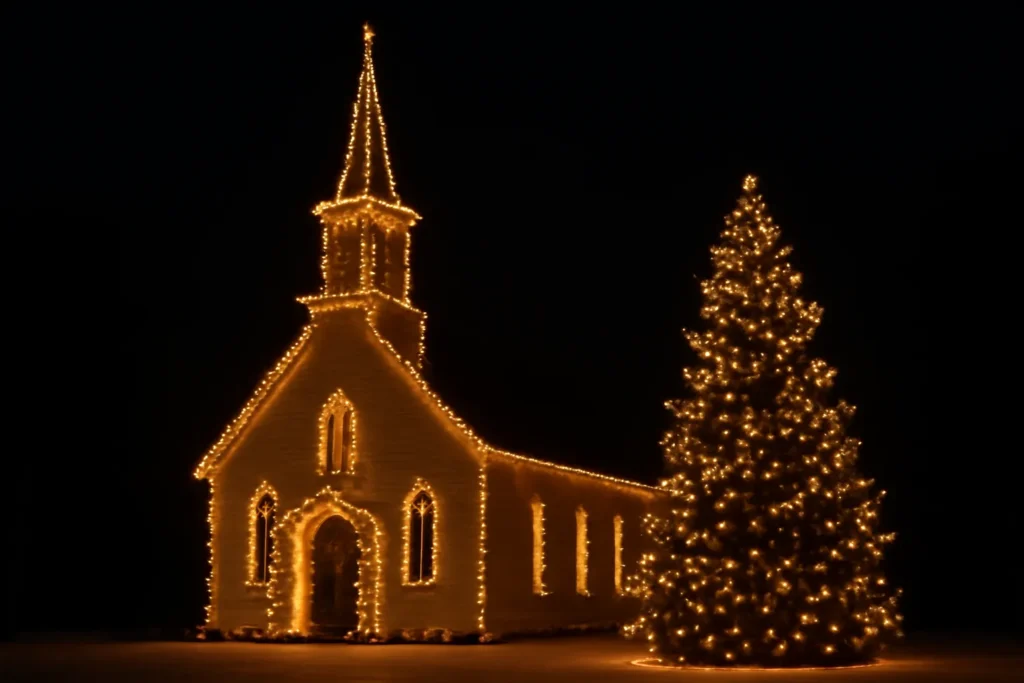
Perimeter outlining: Use warm-white LED strands along sidewalks, ramps, and entrances to guide visitors. Drape around columns, handrails, and fences to create a welcoming path into the church.
Cross and steeple silhouettes: Backlight or outline the cross on the facade or spires with durable, weatherproof LED strips. This emphasizes the sacred symbol even from a distance.
Tree and shrub accents: Wrap evergreens, trees, or formal hedges in soft lighting to frame the building and create a festive backdrop without overpowering the architecture.
Gabled and peak lighting: Highlight architectural peaks and gables with uplighting or string lights. Choose a color temperature that complements the stone or brick tones.
Parking lot comfort lighting: Install low-level lighting along walkways and entrances to improve safety while preserving the night-time aesthetics.
Interior lighting ideas: enhancing worship spaces and gatherings
Altar and chancel accents: Use discreet, dimmable LED fixtures to add warmth near the altar, lectern, and pulpit without creating glare that distracts from worship.
Nave and seating illumination: Soft, indirect lighting along the aisles or ceiling can create a sense of height and reverence. Consider halo lighting above stained glass or religious imagery.
Stained glass glow: Position backlit panels or LED uplighting to illuminate colorful glass without heat buildup. This approach preserves color integrity while adding gentle radiance.
Nativity and advent displays: Create focal tableaux with strategic lighting on nativity scenes, angels, shepherds, or shepherds’ fields. Use warm tones to evoke a sacred atmosphere.
Tree and wreaths inside: If a Christmas tree or garlands exist indoors, use battery-powered or plug-in LED options with a dimming control to shift mood throughout services and events.
Themed lighting ideas for storytelling and worship
Color storytelling: A restrained palette—warm whites, golden ambers, and occasional blue accents—can convey winter and nativity themes while keeping the space dignified.
Projection and halo effects: Combine light with projection mapping to cast star fields, angels, or biblical scenes on walls, floors, or ceilings for special services.
Symbolic color cues: Use color shifts for liturgical seasons or events (e.g., white for Christmas scenes during Christmas Eve services, blue for Advent, gold for Epiphany highlights) while maintaining a cohesive overall look.
Windows and archways as canvases: Illuminate inner windows or arches with soft silhouettes or subtle color washes to create a nightly invitation for walkers by.
Practical themes for different church facilities
Fellowship hall lighting: Create a festive yet functional environment for meals, concerts, and community events with adjustable string lighting and portable uplights.
Meeting rooms and classrooms: Use efficient, quiet LED ceiling fixtures for daytime events and gentle accents for evening gatherings.
Chapel or smaller worship spaces: Focus on intimate displays—narrow beams, small projectors, and soft glow around altar areas to preserve a contemplative mood.
Lighting materials and technologies to consider
LEDs: The centerpiece of modern church lighting. They are energy-efficient, produce little heat, and last longer—ideal for both exterior and interior displays.
RGB and tunable white options: Allow color adjustment and temperature changes to suit different services or events, controlled via wall controls or smart devices.
Solar lighting: A sustainable option for exterior features, particularly parking lot or garden installations, when shaded areas and weather patterns permit.
Weatherproof connectors and IP-rated fittings: Ensure outdoor connections are protected from rain and dust, reducing maintenance needs and risk.
Remote controls and smart hubs: Facilitate scheduling, scene setting, and remote adjustments for multiple zones of lighting.
Safety Tips for Church Christmas Lighting
Safety must be the foundation of any church lighting plan. Houses of worship have unique audiences, including children and elderly volunteers, and outdoor components must endure seasonal weather. Below is a structured set of safety considerations, from planning through ongoing maintenance.
Planning and compliance: setting a solid foundation
Assessment of electrical load: Before purchasing lights, evaluate the building’s electrical capacity and plan circuits that avoid overloading. Consult a licensed electrician if the structure is old or if there are multiple large displays.
Permits and codes: Verify local codes, fire codes, and occupancy requirements for outdoor decorations. Ensure that exterior installations meet local zoning and building standards.
UL-listed equipment: Choose UL-listed and ETL-listed products when possible, as these certifications indicate adherence to safety standards.
Power planning and weather considerations: Plan for cold weather, wind, and potential ice. Outdoor lighting should be rated for exterior use and secured against gusts.
Electrical safety: protecting people and property
GFCI protection: Outdoor outlets should be GFCI-protected to minimize shock risk. Use weatherproof covers and keep plugs off the ground when possible.
Weatherproof wiring and connectors: Use IP-rated connectors, waterproof enclosures, and professional-grade extension cords designed for outdoor use.
Avoid extension cord overuse: Do not daisy-chain many cords; instead, distribute load across multiple circuits and use surge protection where appropriate.
Heat and fire risk management: Choose LED products over incandescent options to minimize heat buildup. Avoid placing cords under heavy traffic areas or near flammable materials.
Installation best practices: methods that reduce risk
Secure mounting: Use proper clips, hooks, or clips designed for the surface (brick, wood, metal). Do not fasten lights with nails or staples that may damage the building.
Wire management: Keep cords away from walkways, doors, and places where people might trip. Use cord covers or channeling when necessary.
Access and egress planning: Ensure that emergency exits and access routes remain clear. Lights should not impede signage or sightlines for safety.
Weight and wind considerations: Secure heavy displays at the top of structures and use wind-rated products to prevent damage during storms.
Maintenance and monitoring: keeping displays safe and reliable
Regular inspections: Schedule routine checks for frayed wires, loose connections, and damaged bulbs. Replace with equivalent or approved substitutes.
Separation of power zones: Do not mix high-load displays on a single circuit. Balance usage across available circuits to avoid overloads.
Weather-aware shutdown: In severe weather, consider temporarily lowering the intensity or turning off nonessential lighting to reduce risk.
Seasonal removal plan: Plan a timeline for taking down decorations after Epiphany or the end of the Christmas season to prevent wear and to store properly.
Emergency readiness: preparedness for power issues
Backup power considerations: If security lighting or essential corridors are LED-lit, you may want a backup power plan that avoids complete darkness during services.
Clear safety messaging: Post simple guidance for volunteers on what to do if a strand fails or if water accumulates near outlets.
Training for volunteers: Provide basic training for those who install or adjust lighting, including safety protocols and equipment handling.
Trends in Church Lighting for Christmas
The landscape of church lighting for the holiday season is evolving. Trends emphasize energy efficiency, digital control, and ways to create meaningful experiences without compromising reverence. The following trends are shaping how churches approach Christmas illumination today.
LED innovation and energy efficiency
Long-lasting LEDs: Modern LEDs offer extended lifespans, reducing maintenance during the busy season. They also produce less heat, allowing for nearer placement to fabrics and wood trims.
Thin-profile and flexible strips: Flexible LED strips enable creative contours along arches, windows, and architectural moldings without bulky hardware.
Smart dimming: Dimmable drivers and dimming controls help sanctuaries shift from a bright, communal gathering atmosphere to a more intimate, contemplative mood during moments of worship.
Smart lighting and remote control
Centering control: Integrating church lighting with a central control system allows volunteers or staff to switch scenes with a touch or a voice command.
Scheduling for services: Timed scenes can align with worship schedules—processions, carols, and readings—while still allowing spontaneous changes for special events.
Remote monitoring: Some installations enable remote checks of voltage, load, and fault alerts, improving response times.
Integrated worship experiences
Projection and lighting synergy: Light design works in concert with video projection, stage lighting, and multimedia to tell biblical narratives more vividly.
Color psychology and symbolism: Subtle color shifts can support liturgical themes or sermon series, reinforcing the message without distracting from the service.
Architectural enhancements: Lighting planners increasingly emphasize architectural features—nave arches, colonnades, and vaults—as they serve as visual anchors for worship.
Energy-aware design: Churches aim to maintain beauty while minimizing energy footprints, choosing efficiency-first layouts and materials.
Durable, low-maintenance installations: Long-term planning reduces recurring costs and waste, aligning with stewardship values common in many congregations.
Repurposing and reuse: Some lighting packages are designed to be adaptable for other church seasons or events, maximizing return on investment.
Storytelling through outdoor displays
Gently animated displays: Outdoor nativity scenes with moving parts or halo lighting can invite curiosity while maintaining reverence for the Christmas narrative.
Silent night exterior visuals: Soft, synchronized light cues can accompany evening caroling and outdoor services, enhancing communal participation.
Planning Guide: From Concept to Completion
A thoughtful planning guide helps churches translate creative ideas into a safe, budget-conscious, and spiritually resonant lighting display. The planning process typically includes a design brief, site survey, budgeting, vendor coordination, installation scheduling, and a maintenance plan.
Creating a design brief for church lighting
Objectives: Define what the lights should achieve—welcoming ambiance, storytelling, architectural accentuation, or a combination.
Scope and spaces: List outdoor features (cross, spire, grounds) and indoor spaces (nave, chancel, fellowship hall) to be lit.
Color and mood palette: Decide on a unified palette that complements the church’s colors, stained glass, and existing interior decor.
Budget and ROI: Estimate costs for materials, labor, installation, energy, and ongoing maintenance; consider ongoing energy savings with LEDs.
Site survey and technical considerations
Electrical infrastructure: Assess available outlets, wiring routes, and potential load. Identify outdoor outlets and weatherproofing needs.
Structural and access considerations: Check rooflines, eaves, ladders, and scaffolding requirements. Map safe access routes for volunteers.
Security and storage: Plan secure storage of lights and stands when not in use. Consider theft resistance for outdoor displays.
Vendors, procurement, and installation timeline
Vendor criteria: Favor vendors with experience in religious spaces, weather-rated equipment, and clear safety documentation.
Timeline: Establish a realistic schedule that accommodates volunteer availability, sermon calendars, and special services.
Acceptance criteria: Define how success will be measured—reliability, ease of maintenance, alignment with liturgical days, and safety outcomes.
Long-term maintenance planning
Maintenance calendar: Create a yearly plan for testing, cleaning, bulb or driver replacements, and end-of-season takedown.
Documentation: Keep records of circuits, wattage, and dimming profiles to simplify future updates or repairs.
Volunteer roles: Assign clear responsibilities for installation, operation, and takedown to avoid gaps in coverage.
Maintenance and Longevity: Keeping the Light Safe and Beautiful
Sustaining a church lighting system through many Christmas seasons requires a practical approach to storage, upkeep, and recurring investment. Here are strategies to maximize life, minimize risk, and ensure the display remains a blessing rather than a burden.
Proper storage: Store lights in labeled, heat-safe containers in a dry area. Avoid coiling cords tightly around heavy objects that could kink wires.
Rotation strategy: If multiple display ideas exist, rotate elements year by year to reduce wear and to keep the display feeling fresh.
Seasonal checklists and replacement cycles
Bulb and driver checks: Even though LEDs last long, drivers and power supplies can fail after years of use. Schedule checks and replacements on a predictable cycle.
Weather-related maintenance: After heavy storms or icy weather, inspect outdoor fixtures for displacement or damage and address promptly.
Documentation and stewardship
Record-keeping: Maintain an inventory with make/model, warranty information, and installation dates. This helps when planning upgrades or decommissioning.
Energy stewardship: Track energy usage across seasons to demonstrate responsible stewardship and to guide future improvements.
Practical Case Examples: Lessons from Real Churches
Real-world deployments illustrate how churches translate ideas into action. While every campus is unique, common patterns emerge: the value of planning, the importance of safety, and the transformative impact of well-lit sacred spaces.
Case A: Exterior cross illumination and twilight welcome
A mid-sized parish added a durable, weatherproof cross outline on the facade using warm-white LEDs. The effect is visible from the plaza and creates a clear signal of a welcoming sanctuary as dusk settles.
The project prioritized GFCI-protected outdoor outlets and managed cords with low-profile conduit so the display remained accessible for maintenance but unobtrusive for worshippers.
Case B: Interior advent display with subtle color shifts
A church used tunable white LED fixtures around the Advent wreath and altar area, enabling gradual shifts in mood during carol services.
The team integrated dimmable wall controls and kept the color palette consistent with stained glass tones, preserving reverence while enhancing storytelling.
Case C: Fellowship hall as a festive community space
In a multi-use campus, the fellowship hall received adjustable LED uplights and portable string lights to accommodate dinners, rehearsals, and concerts without overpowering spaces used for worship.
Common Pitfalls to Avoid
While lighting can be transformative, missteps can undermine safety, aesthetics, or operations. Here are frequent errors and how to avoid them.
Underestimating load: Overloading circuits leads to trips or fire hazards. Plan with a margin for growth and weather-related power spikes.
Inconsistent color schemes: A chaotic mix of colors can feel festive but may distract from the sacred focus. Strive for harmony across spaces.
Neglecting maintenance: A bright display that fails mid-December can disappoint congregants. Schedule regular checks and have a ready replacement plan.
Forgetting accessibility: Ensure lighting levels support safe movement for all ages and avoid glare that can affect vision during services.
Conclusion: A Sacred Light That Serves Worship
Church Christmas lights are more than decorative accents; they are a form of service to the community, a means of storytelling, and a way to honor sacred spaces. By combining creative ideas with solid safety practices, modern technology, and thoughtful stewardship, churches can create Christmas displays that are beautiful, durable, and spiritually meaningful. Whether you describe them as cathedral holiday lighting, chapel Christmas illuminations, or parish community lighting, the underlying goal remains the same: to illuminate the season in a way that invites contemplation, fosters hospitality, and supports the message at the heart of Advent and Christmas.
If you are planning a church Christmas lighting project, start with a clear design brief, involve volunteers and staff early, prioritize safety and compliance, and document lessons learned for future years. With careful planning and a willingness to adapt, your church’s lights can become a faithful expression of celebration, hope, and communal joy.










Leave a Reply