Across the centuries and across cultures, people have sought wholeness in a world where suffering and brokenness are real. For many, the answer to the ache of the body, the strain of the heart, and the burden on the mind comes through a confident trust in God as the Healer. In Christian faith, this conviction is often summed up with variations of the phrase God my healer, a declaration that the divine source of life and health is actively at work. In this article, we explore the healing God from the lenses of faith, prayer, and Scripture, while offering practical guidance on how believers can experience healing without reducing God to a medical formula.
Throughout this exploration, you may encounter several ways to name the same reality: Jehovah Rapha (the Hebrew title meaning “the Lord who heals”), the Lord who binds up wounds, the God who restores, and the healing God. While these terms come from different contexts, they point to a single, transformative truth: healing is not merely a symptom-relief program but a holistic work that touches spirit, soul, and body. This article will use a spectrum of expressions—such as God my healer, healing God, and the God who heals—to honor the breadth of Scripture and tradition.
What It Means That God Is a Healer
The claim that God is a healer is not limited to miracles in ancient stories or remarkable acts in sacred books. It is a living conviction that God desires wholeness for human beings and acts in history to restore what sin and suffering have broken. When we say God my healer, we are naming a relationship in which health emerges from a divine posture of compassion, mercy, and power.
Divine compassion: The healing God cares deeply about pain, sorrow, and disability, and responds with tenderness toward those who cry out for relief.
Redemptive power: Healing often intersects with forgiveness, restoration, and reconciliation, inviting a person into a broader experience of life as it was designed to be.
Holistic restoration: Biblical healing frequently touches the whole person—body, mind, emotions, relationships, and purpose—rather than merely eliminating a symptom.
The Roles of Faith, Prayer, and Scripture in Healing
The journey toward healing in the Christian life is not a single act but a dynamic process. Three elements recur throughout biblical testimony and lived experience: faith, prayer, and Scripture. When engaged rightly, these realities form a robust framework for understanding how the God who heals operates in everyday life.
Faith: Trust as a Pathway to Healing
Faith is not a magical formula that obligates God to act on cue. Rather, it is trust—a posture of dependency that opens the heart to God’s timing, wisdom, and methods. Biblical faith acknowledges limits, yet it clings to the truth that God is good, able, and present in the moment of need.
Faith is not a performance but a posture: It flourishes in humility, honesty, and perseverance.
Faith often grows in the context of waiting. The healing process may unfold over days, weeks, or seasons, and trust keeps the heart anchored in hope.
Faith does not deny suffering; it invites God to work through suffering toward a greater good that may include growth, character, or renewed purpose.
In the language of the Bible, we meet phrases such as faith that moves mountains (a metaphor for trust under great pressure) and faith as childlike reliance (a humble dependence that opens space for God’s work). When we say God my healer, we are acknowledging that healing begins in the interior of faith—an alignment of heart with the God who loves us.
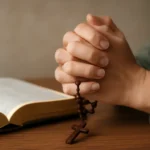
Prayer is the primary means by which believers commune with the healing God. It is not a magic spell but a meaningful dialogue in which we present our cries, confess our fears, offer our gratitude, and listen for divine correction or confirmation. Prayer can be personal, communal, intercessory, or contemplative, and each form can carry healing potency in its own way.
Healing prayers can be explicit requests for restoration of body, mind, or circumstances, while also seeking peace and alignment with God’s will.
Intercession involves praying on behalf of others, acknowledging that healing often extends beyond the individual to family, community, and society.
Prayer with lament gives room for honest sorrow, a critical component of healing that prevents spiritual numbness.
The biblical witness includes powerful moments of prayer for healing: for example, the Psalmist crying out in distress, Jesus laying hands on the sick, and the apostolic prayers that invite God’s power into communities. In every case, meaningful healing grows out of a posture of prayer that is persistent, sincere, and anchored in the confidence that the Lord is near to the brokenhearted.
Scripture: Medicine for the Soul and a Guide for Hope
Scripture serves as a primary source of nourishment for faith and a guide for how to seek healing. God’s Word offers comfort, instruction, correction, and eyewitness testimony of restoration. Meditating on and applying Scripture can cultivate a mindset that invites healing by aligning thoughts, desires, and decisions with God’s truth.
Promises of healing surface in verses that proclaim God’s compassion and power to restore health and wholeness.
Confession and renewal in Scripture can free the heart from guilt and fear, creating space for physical and emotional healing.
Perspective shifts through Scripture help believers reframe pain within a larger narrative of redemption and purpose.
For many, a practice such as daily devotion, memorization of verses about healing, or reflective study of passages like Isaiah 53, Psalm 103, and James 5 becomes a steady diet for healing. When we say the healing God, we are declaring that the divine message of Scripture is both a guarantee and a guide for the journey toward wholeness.
Historical and Biblical Names for the Healing God
The Christian and Jewish traditions offer rich names and titles that emphasize healing. These names capture facets of God’s character and actions. Some of the most prominent include:
Jehovah Rapha — The Lord who heals, a direct biblical declaration of God’s healing nature.
El Shaddai — Often translated as “God Almighty,” a reminder of God’s sufficiency in times of weakness and need.
Psalmist’s Healer — A poetic image of God as one who binds wounds and restores the soul.
Redeemer and Restorer — Names that highlight healing as part of redemption and communal restoration.
These names are not mere labels but invitations to encounter God in different dimensions of healing. Whether you approach the God who heals through the lens of covenant faith, personal devotion, or communal worship, you step into a robust tradition that affirms life in its full measure.
Healing is often most fruitful when it happens in everyday routines that integrate faith, prayer, and Scripture with practical disciplines. Below are concrete pathways that readers can adopt to pursue holistic wellbeing while honoring the God who heals.
Daily Practices for Spiritual and Physical Wellness
Gratitude journaling: Writing down blessings cultivates a hopeful heart, which can influence mental and emotional health.
Regular prayer times: Consistent moments of conversation with God invite healing to unfold gradually and sustainably.
Scripture meditation: Recalling verses about healing strengthens belief and reduces fear.
Healthy lifestyle choices: Nutrition, rest, exercise, and sleep support the body’s capacity to heal while you seek the divine presence.
Community engagement: Sharing burdens and receiving support from trusted friends or mentors reflects the communal nature of healing.
Intercessory prayer is a specific practice in which believers advocate for others in the presence of God. When the body or mind suffers, intercession can be a powerful expression of compassionate faith. Here is a simple framework you can adapt:
Identify the need with honesty and humility.
Pray with persistence, asking God for mercy and discernment rather than demanding outcomes.
Offer support through tangible acts of care (visits, practical help, or listening ear).
Follow up with gratitude, recognizing that healing can come in many forms, not only in the immediate release of pain.
Healing Beyond the Body: Emotional and Spiritual Restoration
The healing work of the God my healer is not limited to physical ailments. Many people experience significant transformation in areas of emotion, purpose, and spiritual life. The process often involves a combination of forgiveness, reconciliation, and personal renewal.
Forgiveness as a healing agent that frees the heart from the weight of sin and resentment.
Restoration of relationships as a conduit for emotional health and social wellbeing.
Identity in Christ that redefines self-worth, security, and meaning, contributing to inner healing.
Forgiveness and Reconciliation as Keys to Wholeness
Forgiveness is often a difficult but essential component of healing. It does not erase harm, but it can remove the toxin of bitterness and open space for God to work within a person’s heart. In Christian practice, forgiveness is closely linked to reconciliation with God and with others. When people forgive and seek reconciliation, they participate in the healing work that God desires for communities.
A responsible Christian approach to healing acknowledges both divine sovereignty and human responsibility. Faith in the God who heals does not require rejecting medical science or downplaying physical needs. In many cases, healing may involve medical treatment that God has providentially oriented for health and relief.
Seek professional medical care when symptoms persist, worsen, or threaten life, without feeling guilty or less faithful for doing so.
Pray in conjunction with medical care: invite God’s wisdom for treatment choices and strength for the journey of healing.
Ask trusted faith leaders or mentors for counsel on how to navigate healing, especially when decisions are complex or emotionally charged.
The biblical witness respects the use of skilled medicine and the stewardship of the body. For many, the experience of doctors, hospital care, therapy, and medication becomes the channel through which the healing presence of God my healer enters human life, sometimes in ways that are visible and measurable, and other times in ways that transform the heart and faith.
The church has historically served as a place where healing is celebrated, prayed over, and enacted in tangible ways. Through corporate worship, anointing with oil, and communal ministry, believers encounter the healing God in a gathered context that emphasizes solidarity and shared hope.
Corporate Prayer and Laying on of Hands
In many Christian traditions, the laying on of hands and anointing with oil accompany healing prayers. These rituals symbolize a tangible expression of faith and a communal invocation of divine power. The experience may be accompanied by peace, warmth, or a sense of release that believers interpret as the grace of the healing God at work.
Scripture-Centered Worship and Healing
Church life often centers healing through worship, preaching, and Scripture-centered teaching. When communities declare that God the Healer is worthy of praise even in distress, they create an atmosphere where God’s presence can bring renewal, courage, and unexpected moments of restoration.
The relationship between suffering and healing in Christian thought is complex and nuanced. Some traditions emphasize the mystery of God’s timing, while others stress the certainty of God’s comfort and eventual renewal. A robust theological framework acknowledges:
God’s sovereignty over all situations, including illness, tragedy, and miracle.
Human responsibility to care for one another and seek help when needed.
Christ’s work of redemption that promises ultimate healing and restoration beyond present hardship.
In this light, the healing God remains present in the midst of pain, guiding, comforting, and offering a future with hope. The journey toward healing, then, is both personal and communal—a pilgrimage that grows faith, deepens trust, and aligns the heart with God’s larger redemptive purposes.
To help you implement what you’ve read, here is concise guidance for building a personal practice around God my healer that integrates faith, prayer, and Scripture with everyday life.
Set a consistent time for Scripture and prayer each day, even if brief, to cultivate continuity in seeking healing and renewal.
Keep a healing journal where you record prayers, observations, and answers—whether small or substantial—so you can trace God’s faithfulness over time.
Create a habit of gratitude that recognizes healing as a process that includes grace, mercy, and daily provision.
Engage a trusted circle of friends, mentors, or a faith community who will pray with you, listen well, and offer practical support.
Integrate worship and service as acts of healing that shift focus from pain to praise and from fear to purpose.
By cultivating these disciplines, you invite an ongoing encounter with the healing God, who meets people in myriad ways—through quiet inner conviction, through the touch of a physician, through the encouragement of a friend, or through a sudden moment of spiritual clarity.
As you reflect on the phrase God my healer, consider how healing operates on multiple levels: physical health, emotional well-being, relationships, purpose, and ultimately spiritual renewal. Healing is not a single event but a lifelong journey shaped by faith, expressed through prayer, and anchored in the timeless promises of Scripture.
The healing God invites you into a story where trust grows stronger in the presence of pain, where prayer becomes a rhythm of resilience, and where Scripture forms a map for navigating life’s uncertain terrain. Whether you are in a season of bright health or in a season of deep struggle, the same truth remains: God my healer is with you. He is the Jehovah Rapha who sees, sustains, and renews. He is the God who can restore what is broken and bring new life out of what feels lifeless.
In the end, embracing the reality of the God who heals means living with hope that transcends the present difficulty. It means choosing to seek healing through a combination of faith, prayer, and Scripture, while remaining open to the ways God may choose to work—sometimes through a doctor’s expertise, sometimes through a sudden moment of grace, and sometimes through a gradual, steady transformation of heart and mind.
If you are exploring these ideas, you are joining a long lineage of believers who have learned to trust in the interwoven realities of healing, mercy, and redemption. May your journey toward wholeness be marked by a growing sense of security in God my healer, by a richer prayer life, and by a deepened understanding of Scripture’s healing power.