God Heals the Brokenhearted Verse: Meaning and Comfort
Across millennia, people have turned to the ancient words that speak of God as a source of restoration when the heart is wounded. The short, image-rich idea often summarized as “God heals the brokenhearted”—and its longer form in the Psalms—has been a wellspring of hope for those wrestling with sorrow, disappointment, and loss. In Scripture, the phrase carries both a precise claim and a tender invitation: God notices the ache of the human heart and acts to mend it, to restore what has been damaged, and to bind up the wounds that do not easily heal on their own. This article dives into the meaning of the verse, explores its contexts, and offers practical ways to experience its comfort in daily life. We will also look at variations of the theme to expand the semantic field while remaining rooted in the biblical witness.
Key Verse and Variations: How the Language Has Been Used
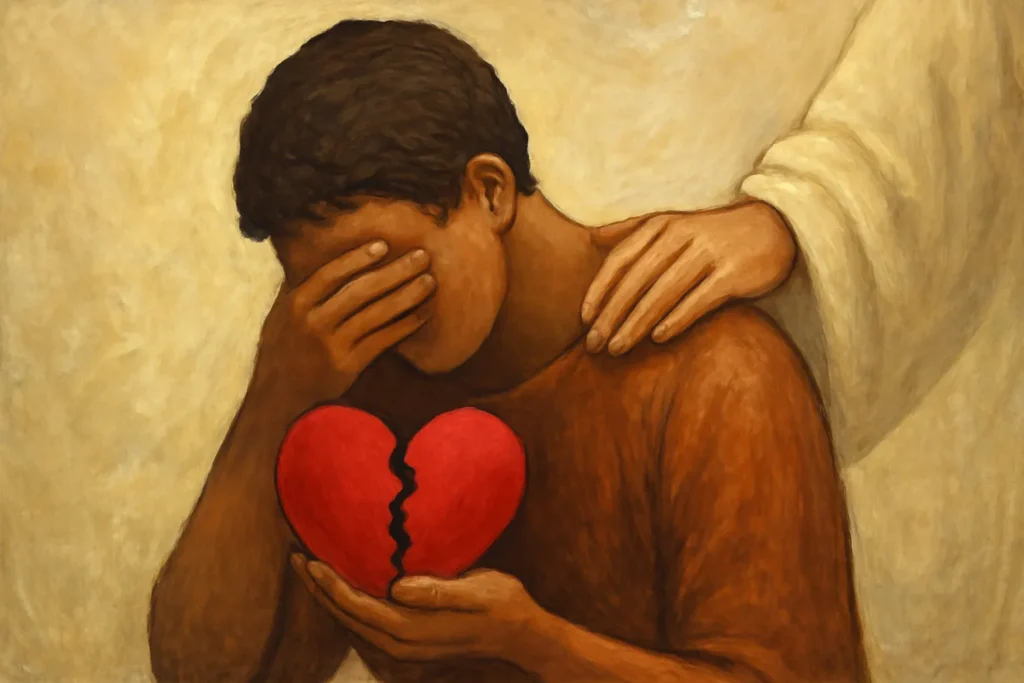
The most recognizable articulation is found in Psalm 147:3, which proclaims, “He heals the brokenhearted and binds up their wounds.” In many modern translations, this verse appears with several small but meaningful shifts in wording, yet the core message remains the same: divine care reaches into our deepest pain and offers healing. Theologically, this is less a single action and more a pattern of God’s engagement with humanity—compassion in action, not distant concern.
Variations in how people talk about this verse reflect both language and emphasis. Some common semantic variants you will encounter include:
“God heals the brokenhearted.” A concise form often used in psalms, hymns, and devotional writings; it emphasizes the divine capability to restore inner life.
“The Lord heals the wounds of the heart.” A broader paraphrase that foregrounds emotional wounds as areas deserving divine intervention.
“God restores the brokenhearted.” Focused on renewal, not only as the absence of pain but the re-formation of a hopeful and purposeful life.
“God is near to the brokenhearted.” A related line from Scripture (e.g., Psalm 34:18) that underscores God’s intimate presence in suffering as a prelude to healing.
“He binds up their wounds.” A vivid picture of care, suggesting not only soothing but purposeful mending of what is torn or scarred.
“Jesus heals the brokenhearted.” In Christian tradition, Jesus is often seen as the embodiment of God’s healing—especially for those who seek him in distress.
“Healing for the wounded soul.” A broader category that includes spiritual, mental, and emotional dimensions.
Across translations and traditions, these variants share a common conviction: suffering is not ignored, and healing is not merely a future hope but a present reality in God’s gracious distribution of mercy. The series of paraphrases helps believers and readers approach the verse from different angles—emotional, doctrinal, pastoral—without losing the core claim: God cares for the breaking heart.
Meaning and Theological Significance
To understand what it means that “God heals the brokenhearted”, it helps to examine the phrase through several lenses: biblical context, the nature of healing, and the relation between physical and emotional repair.
Biblical Context: Where the Verse Sits in the Psalter
Psalm 147 is a psalm of praise that underscores God’s sovereignty over creation, providence in daily life, and care for vulnerable people. The specific line about healing the brokenhearted sits within a wider panorama of God’s measured, attentive governance of the world. The surrounding verses emphasize that God’s care is not abstract or theoretical; it translates into concrete mercy: counting and caring for the stars, feeding the beasts of the field, and, crucially, restoring those who suffer.
The image of healing language in this psalm resonates with other biblical motifs:
Nearness to the afflicted (Psalm 34:18) frames suffering as a lived experience in which God is not distant but present.
Restoration and renewal appear in various places as God’s redemptive action—restoring broken relationships, mending physical or social wounds, and reviving hope where hope seems exhausted.
Binding up wounds evokes a careful, deliberate process, not a quick fix. It implies care, skill, and patience in the healing journey.
What does healing encompass?
Healing in this scriptural sense includes several dimensions:
Past wounds—recalling and processing what has occurred, with divine companionship, so that past hurts no longer dominate the present.
Present comfort—experiencing God’s presence as a balm in the midst of sorrow, depression, or anxiety.
Future hope—anticipating a fullness of life in which God’s purposes are completely realized, even if the path through pain remains long.
The verse invites readers to consider healing not merely as cessation of pain but as a holistic restoration of life-bearing capacities: trust, hope, love, and meaning. In many traditions, this healing is not seen as a solitary act but as part of a communal journey—where support from friends, church communities, and spiritual disciplines plays a vital role in the process.
Meaningful Comfort: How the Verse Speaks to Suffering
The phrase “God heals the brokenhearted” functions as both a declaration and an invitation. It declares that healing is a present reality rooted in God’s character and work. It invites readers to trust, to seek, and to participate in the healing process through practices of faith, community, and reflection.
What comfort does divine healing offer?
Presence—the assurance that God is with you when sorrow presses close. The broken heart often feels isolated; the verse asserts companionship in loneliness.
Hope—even when healing is slow or non-linear, hope remains alive because the source of healing is unchanging and faithful.
Identity reconciliation—suffering can threaten a person’s sense of self; healing helps restore a sense of worth and purpose.
Community renewal—as individuals experience healing, communities can become spaces of mercy, empathy, and support.
How the healing process can unfold in practice
Acknowledging pain—naming what hurts, whether grief, disappointment, betrayal, or loss. Honest reflection is the first step toward healing.
Seeking presence—cultivating awareness of God’s nearness through prayer, worship, or quiet listening. The expectation is not to fix the pain instantly but to learn to live with it under divine companionship.
Receiving mercy—accepting help from others—friends, family, counselors, or faith leaders who offer a listening, nonjudgmental space.
Engaging healing disciplines—practices such as lament, gratitude, Scripture meditation, and contemplative prayer that shape the heart toward health.
Experiencing restoration—over time, the heart is reoriented toward hope, even if scars remain as part of a story of resilience.
Dimension 1: Emotional Healing
The brokenhearted hear this promise not only as a metaphysical claim but as an invitation to experience inner healing. Emotional healing does not erase memory or deny pain; rather, it reframes pain within the larger arc of life intended by God. The promise works through honest self-reflection, compassionate engagement with others, and the reassurance that God’s care is active in the inner life.
Practical steps for emotional restoration
Journaling to externalize feelings and track growth over time.
Lament and praise—holding together words of sorrow with expressions of trust in God’s goodness.
Boundaries—learning to set healthy boundaries that protect the heart while remaining open to healing relationships.
Seeking professional support when needed, such as counseling or therapy, which can be valuable tools on the road to healing.
Dimension 2: Spiritual Healing and Trust
Spiritual healing is often described in the biblical idiom as a renewal of faith, trust, and worship. When the heart is broken, the soul may wrestle with questions about God’s goodness, justice, or presence. The verse holds out a path forward: God’s healing work is not primarily a set of ideas but a relational encounter—an invitation to draw near to the divine presence and find solace, courage, and direction.
The claim that “the Lord is near to the brokenhearted” (a closely related scriptural idea) complements the healing promise. In theology, proximity is a form of mercy. God’s nearness is not a passive stance; it empowers action, transformation, and renewed meaning. In practice, believers experience this nearness through prayer, scripture, and communal worship, where God’s reality becomes a tangible source of strength.
Spiritual disciplines that accompany healing
Lament—voice pain honestly back to God, which disciplines the heart away from cynicism toward trust.
Scripture meditation—reflecting on verses that affirm God’s care and past faithfulness.
Gratitude—cultivating a perspective that notices even small mercies along the journey of healing.
Hopeful confession—affirming who God is and who we are becoming in light of that truth.
Dimension 3: Social and Relational Healing
Healing is not only a private internal process but also a communal one. Relationships can be both sources of pain and channels of restoration. The verse encourages communities to become spaces where the brokenhearted find tenderness, accountability, and practical help. When a church or family embodies God’s healing care, the social environment itself becomes a instrument of healing.
Roles of community in healing
Listening without rushing to fix or judge.
Empathy in action—offering meals, transportation, or simple acts of service that say, “you are not alone.”
Accountability and safety—creating spaces where honest conversations about pain can occur without fear of dismissal.
Encouragement toward hope-giving practices—inviting each other to engage in rhythms that foster resilience and faith.
Historical and Cultural Context
Understanding the “brokenhearted” motif requires looking at the ancient world in which these texts were shaped. In many biblical cultures, physical and social wounds were common—disease, displacement, famine, war, and the fragility of life. Within such contexts, a promise that God heals broken hearts carried not only spiritual significance but practical comfort in the midst of hardship. The language also speaks to the divine identity as guardian, shepherd, and ally to the vulnerable.
The Christian tradition has long used this verse to describe not only personal healing but also God’s mission to bring healing to a broken world. If you read through the psalms as a whole, a thread emerges: God is a faithful healer who rescues, sustains, and renews. The brokenhearted, the bruised, and the weary are all invited to trust in God’s steadfast love. This framing shapes both personal devotion and communal worship, encouraging believers to embody mercy, display compassion, and pursue justice as expressions of divine healing in action.
Applications for Pastoral Care and Personal Practice
For pastors, counselors, and laypeople, the healing promise can guide practical ministry. Below are actionable steps to translate the verse’s comfort into support for real people facing real pain.
In pastoral contexts
Create safe spaces—cultivate environments where confession, vulnerability, and questions are welcomed, not stigmatized.
Provide steady presence—offer ongoing companionship rather than one-off interventions, recognizing that healing unfolds over time.
Coordinate care—link individuals to trusted counselors, support groups, and resources that align with their needs.
Affirm identity and dignity—remind people of their inherent worth as beloved beings made in the image of God, even when pain clouds perception.
In personal devotion
Practice lament—write or speak honestly about grief and disappointment, then place those words before God in prayer.
Keep a healing journal—document moments of comfort, acts of kindness, and signs of progress, no matter how small.
Engage faith communities—participate in worship, study, and service that reinforce a hopeful narrative about healing.
Develop resilience rituals—establish routines that anchor the heart: daily Scripture reading, music, nature, or acts of service.
The topic of healing touches many practical and theological questions. Here are some common inquiries people bring to this theme, along with thoughtful reflections.
Healing in Scripture is not always instantaneous, and it is not always limited to physical healing. The biblical pattern includes long seasons of waiting, gradual transformation, and sometimes healing that manifests in deeper trust rather than a dramatic reversal of circumstances. The promise remains that God is present and active in healing, whether quickly or gradually.
If God heals the brokenhearted, why do we still experience pain?
Pain remains a reality in a fallen world, and healing often coexists with fragility. The Bible presents healing as part of God’s redemptive work that culminates in ultimate renewal. In the meantime, God’s healing power can be experienced as comfort, courage, and a transformed ability to endure and to love, even in the midst of struggle.
How can I know if I am experiencing healing?
Signs of healing may include increased emotional regulation, restored hope, a renewed sense of purpose, healthier relationships, and a growing capacity to trust God. Healing is a process with stages; discernment from trusted spiritual mentors or counselors can aid in recognizing progress and identifying next steps.
What is the relationship between healing and faith?
Healing and faith are deeply linked in the biblical narrative. Faith is not a guarantee against pain but a posture that opens the heart to God’s mercy and presence. Healing often strengthens faith as individuals experience God’s steadfast love in tangible ways, and faith can sustain the person through the long process of healing.
Embracing the Comfort of God’s Healing Promise
The idea that “God heals the brokenhearted” is a cornerstone of biblical consolation and a hopeful invitation for living with the ache of life while trusting in God’s redemptive care. It acknowledges the truth that the heart can be wounded deeply, yet it also declares that healing is possible, that God is present, and that mercy is active. The verse does not erase pain, but it reframes pain within a larger story—one that includes God’s loyalty, compassion, and the possibility of updated meaning and renewed purpose.
Whether you encounter this verse as a personal reminder, a source of communal strength, or a topic for teaching and meditation, its breadth remains one of its most enduring strengths: it speaks to a universal human experience and offers a divine response. By embracing the variations of the theme—whether we focus on God’s nearness, his healing power, or the image of binding up wounds—we open a path toward renewed trust, healthier relationships, and a hopeful future. In that sense, the ancient promise continues to be a contemporary invitation: to bring the broken heart into the light of God’s mercy, to allow healing to unfold in God’s timing, and to live with courage, compassion, and faith as the heart learns to breathe again.











Leave a Reply