Pacific Cultural Center Santa Cruz: Location, Hours, and Events Guide
The Pacific Cultural Center Santa Cruz—often referred to simply as the PCCSC—is a hub for arts, education, and community life in the Santa Cruz region. Distinct in its mission to celebrate cultural expression, foster dialogue, and provide accessible opportunities for creators and audiences alike, the center stands as a visual and performing arts anchor in the city. The Pacific Cultural Center Santa Cruz (affectionately nicknamed the PCCSC by locals and visitors) hosts a rotating calendar of exhibitions, performances, lectures, classes, and collaborative projects. Whether you are an avid appreciator of contemporary art, a student of traditional crafts, a curator-in-training, or simply a curious passerby looking for a cultural outing, the PCC Santa Cruz offers a wide range of programming designed to inform, challenge, and inspire.
In this guide, you’ll find practical details about location, hours, and the events guide—presented with careful attention to how touring artists, neighborhood groups, and cultural organizations intersect at the Pacific Cultural Center Santa Cruz. The information below uses the common references you’ll encounter in press releases, visitor handouts, and the PCCSC’s own communications: it speaks to what the center is today, what it aims to accomplish, and how you can engage with its programs in meaningful ways. For visitors planning a visit, this article offers a comprehensive roadmap that blends logistical guidance with context about the center’s broader role in the Santa Cruz arts ecosystem. For those who prefer quick takeaways, you’ll find highlighted sections and practical checklists throughout the piece keyed to location, hours, and events.
Location and Getting There
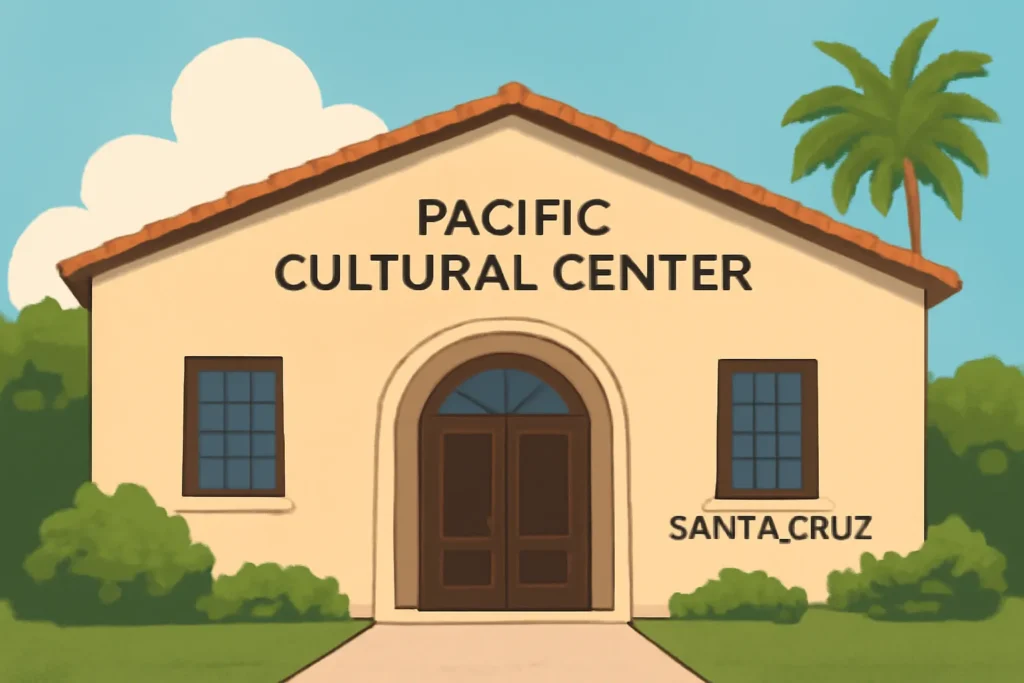
Understanding the location of the PCC Santa Cruz is foundational to planning a visit, arranging a venue rental, or simply exploring the surrounding neighborhood’s amenities. The Pacific Cultural Center is positioned in a central, accessible part of Santa Cruz, making it convenient for locals and tourists to combine a cultural stop with other downtown activities. The building’s exterior and interior spaces are designed to invite engagement, with visible galleries, performance areas, and communal spaces that accommodate a broad spectrum of programming.
While the exact address and maps will be verified on the PCCSC’s official site and annual calendars, the center’s location is commonly described as being within reach of major transit routes, near parking options suitable for day visits, and in proximity to a variety of eateries, coffee shops, and quick-service spots. If you are using a GPS or a map app, search for the center by its full name—either as Pacific Cultural Center Santa Cruz or PCCSC—to pull up the most up-to-date location pin. A few practical notes for getting there include:
Public transit: The PCCSC is typically served by Santa Cruz’s urban bus network. Look for routes that travel through downtown Santa Cruz and nearby cultural districts. Bus stops within comfortable walking distance make it easy to arrive without a car.
Walking and biking: The center is situated in an area with pedestrian-friendly streets and bike lanes. If you’re staying in the downtown basin or near the boardwalk, a pleasant stroll or a short bike ride can be part of your cultural outing.
Parking: For those driving, plan ahead for nearby parking options—street parking with time limits, municipal lots, and occasional event-specific arrangements. Weekend programming can attract larger crowds, so scouting a parking option beforehand can reduce stress upon arrival.
Accessibility: The PCCSC venue is typically equipped with accessibility features designed to support visitors with mobility needs, including accessible entrances, seating, and restroom facilities. If you have mobility or sensory needs, contact the center in advance to confirm accommodations for specific events.
The Pacific Cultural Center Santa Cruz also serves as a nexus for neighborhood partnerships and collaborative projects with nearby galleries, schools, and community centers. As you plan your visit, consider pairing the trip with a stroll through nearby galleries or a lunch at a local cafe—many visitors find the neighborhood’s cultural assets offer a holistic day-long or evening experience.
Note: Because “location” details can change with renovations, lease agreements, or organizational shifts, this guide emphasizes the need to verify the latest address and access information on the PCCSC’s official communications channels before you head out. The most reliable source for location updates is the center’s official website or its social media feeds.
The hours at the Pacific Cultural Center Santa Cruz are driven by the calendar of events, classes, exhibitions, and rentals. Rather than offering a single fixed weekly schedule, the PCCSC tends to align its hours with programming blocks—often concentrating events during evenings and weekends while leaving some daytime slots open for classes, studio use, or private rentals. Visitors should expect a dynamic schedule that shifts with the season, partnerships, and special projects. The key to planning is to check the latest calendar in advance and to bookmark the PCCSC’s events page, as well as its social media posts, where schedule changes, additions, and cancellations are typically posted promptly.
In practice, you’ll commonly encounter the following patterns for hours at the PCCSC:
Evenings hosting concerts, readings, film screenings, and theater performances—often once or twice per week per program cycle.
Weekends featuring gallery openings, bigger performances, and longer workshops that span several hours.
Daytime slots reserved for classes, artist talks, community meetings, and rental rehearsals.
Seasonal variations: Some exhibits or festivals run across several weeks, with extended hours on peak event days (such as a weekend gala or opening-night reception).
Because hours can fluctuate, it is essential to verify a few practical details before you leave home. Always confirm hours for a specific date and program by one or more of these channels:
Official calendar pages on the PCCSC website
Event listings on the center’s social media accounts (Facebook, Instagram, Twitter/X)
Direct phone inquiries to the PCCSC information line or venue management desk
Newsletters or email blasts that GIS-style subscribers receive about upcoming programming
When you read about the hours for a specific event, pay attention to details such as doors opening times, starting times, intermission arrangements, and end times. Some events may begin with a reception or a meet-and-greet that requires early arrival, while screenings may offer a brief intermission. If accessibility is a concern, confirm whether accessibility services (captioning, audio descriptions, or seating arrangements) will be available at the time you attend.
The Pacific Cultural Center Santa Cruz comprises several interconnected spaces designed to support a range of artistic disciplines. The PCCSC’s physical layout typically includes exhibition galleries, a performance venue or theater space, classrooms or studios for workshops, and common areas that facilitate community gatherings. Each space serves distinct purposes while maintaining a cohesive mission to celebrate cultural expression and learning.
Key components of the PCCSC’s facilities include:
Galleries: Curated visual arts spaces that host solo and group shows, often aligned with monthly or seasonal cycles. Exhibitions may range from contemporary installations to traditional crafts, giving visitors exposure to diverse mediums and voices.
Performance venue or theater space: A flexible area capable of hosting intimate live performances, acoustic concerts, theatrical pieces, poetry slams, and film events. The configuration can be adjusted to accommodate seating capacities, stage setups, and audience sightlines appropriate for the program.
Classrooms and studios: Studios or classrooms where workshops, artist residencies, and community education programs take place. These spaces are used for hands-on learning, lectures, demonstrations, and collaborative projects.
Public spaces and lounges: Areas for socializing, networking, or informal gatherings before and after programs. These zones are important for fostering community and cross-disciplinary exchange.
In addition to these core spaces, the Pacific Cultural Center Santa Cruz often provides on-site amenities like a small café or snack bar, a bookstore or zine corner, and volunteer or staff offices dedicated to programming coordination. When you plan an event or a visit, consider the space requirements of your chosen activity. For example, a visual arts exhibition may require lighting specific to the works, while a live performance might demand AV equipment, stage risers, and audience-facing sound reinforcement. The PCCSC team typically offers guidance on what is feasible within each space, which makes it easier for organizers to tailor experiences to the venue’s strengths.
Rental Opportunities and Community Programs
One of the PCCSC’s core functions is to provide opportunities for rental and collaboration. The Pacific Cultural Center Santa Cruz is frequently used by independent artists, small arts organizations, and community groups seeking a publicly engaged venue for showcases, rehearsals, classes, and community events. The rental program is designed to be accessible while maintaining a level of professionalism and technical support that helps events run smoothly.
Typical categories of rental opportunities include:
Public performances (theater, music, dance, spoken word)
Exhibitions (gallery rotations, solo shows, group projects)
Workshops and classes (community education, artist-led sessions, and cross-disciplinary labs)
Private events (rehearsals, lectures, and community gatherings)
Rental terms, rates, and availability are typically negotiated with PCCSC staff, who can assist with technical requirements such as stage lighting, sound systems, seating configurations, and accessibility needs. If you are considering the center as a venue for a program, start by outlining your event’s goals, anticipated audience size, and technical needs. A clear plan will help the staff propose the most suitable space and schedule. For artists and organizers new to the PCCSC’s ecosystem, the team often shares resources about funding opportunities, grant eligibility, and partnerships with local cultural institutions.
Beyond rentals, the Pacific Cultural Center Santa Cruz operates an extensive slate of community programs that reflect the center’s mission to uplift underrepresented voices and provide educational experiences for all ages. You may encounter artist residency dialogues, youth outreach initiatives, senior-center collaborations, and multidisciplinary residencies that bring together writers, designers, musicians, and visual artists. The breadth of these offerings helps ensure that the center remains a living, breathing cultural incubator rather than a static venue.
Events Guide: What to Expect
The events guide for the Pacific Cultural Center Santa Cruz is a dynamic compass pointing to a diverse range of happenings. This guide is designed to help visitors plan ahead, discover new artists, and participate in experiences that enrich the local cultural landscape. The PCCSC’s programming typically blends contemporary and traditional forms, honoring regional heritage while welcoming global perspectives. Here is a closer look at the kinds of events you can expect, along with practical tips for making the most of them.
Music, Theater, and Performance
Music and performance programs at the PCCSC are a staple of the center’s events calendar. You may find intimate concerts featuring emerging and established artists across genres such as folk, jazz, world music, and experimental sound. The theater and performing arts programs often feature one-night productions, devised pieces, and readings by poets and playwrights. A typical season might include:
Acoustic evenings that emphasize intimate soundscapes and storytelling
Experimental performances exploring cross-disciplinary forms and audience interaction
Guest speakers and panel discussions focusing on craft, culture, and community issues
For attendees, practical considerations include arriving early for seating, checking if the event offers a reception or post-show Q&A, and noting any age restrictions or specific accessibility accommodations. The PCCSC often curates programs with a preference for audience participation or engagement, so be prepared for intimate, conversation-driven experiences that reward attentive listening and respectful dialogue.
Exhibitions, Visual Arts, and Cultural Heritage
Visual arts programming is a cornerstone of the PCCSC’s identity. Exhibitions at the center present works by local artists, regional collectives, and sometimes international guests. The goal is to illuminate cultural practices, discuss political and social themes, and provide a platform for experimentation with form and concept. Visitors should expect:
Gallery openings with artist talks and reception events
Rotating shows featuring painting, sculpture, photography, mixed media, and installations
Educational tours and catalogues that accompany exhibitions
Exhibitions at the PCCSC are typically scheduled to span several weeks, with ongoing opportunities to engage in gallery talks or workshops tied to the show. If you are a student, educator, or collector, you’ll find value in attending opening nights, curator-led walkthroughs, and behind-the-scenes demonstrations that may be offered periodically.
Film screenings and lectures form another vital thread in the PCCSC’s events guide. Curated cinema programs, documentary premieres, and artist talks provide critical exposure to narrative techniques, cinematography, and cultural critique. These events often pair with panel discussions featuring filmmakers, scholars, or practitioners who can contextualize the work. Be prepared for:
Screenings followed by moderated discussions
Documentaries exploring regional histories or global diasporas
Talks and Q&As that illuminate creative processes and research methodologies
Film programs sometimes require advance ticketing due to limited seating. It’s wise to reserve seats early, especially for special screenings, as demand can be high for popular titles and guest appearances. When attending film events, arrive a few minutes early to settle in and review any house rules regarding photography or recording.
Workshops, Education, and Community Learning
Engagement through workshops and education programs is a central element of the PCCSC’s mission. Workshops can range from hands-on craft sessions and printmaking classes to digital media workshops and collaborative arts labs. These sessions are designed to be accessible to a broad spectrum of ages and skill levels, from beginner to advanced. Expect offerings such as:
Hands-on arts classes in painting, sculpture, photography, fiber arts, and mixed media
Creative writing and poetry workshops led by established authors or local creatives
Community art projects that invite participation from neighbors and visitors
Participation in workshops frequently requires registration, sometimes with limited capacity. For educators and community organizers, PCCSC workshops can serve as a valuable venue for youth programs, adult education, and intergenerational learning experiences. In many cases, the center positions itself as a partner for collaborative grants and cultural exchange initiatives that amplify the impact of these learning opportunities.
Planning Your Visit: Practical Tips
Visiting the Pacific Cultural Center Santa Cruz is not just about attending a singular event; it’s about experiencing a living ecosystem that connects art, learning, and community. To maximize your visit, consider the following practical tips and best practices:
Check the calendar in advance to confirm dates, times, and ticket availability for the specific program you want to attend.
Arrive early to allow time for parking, check-in (if required), and a leisurely look through galleries or reception spaces.
Bring a notebook if you plan to attend talks or workshops; you may want to capture thoughts, artist names, and reference materials.
Plan for accessibility: If you require seating arrangements, captioned screenings, or other accommodations, contact the PCCSC ahead of time to ensure availability.
Budgeting: Tickets, memberships, and class fees vary. Many programs offer tiered pricing or student/senior discounts; check the specific event page for rates and any scholarship options.
When you are in the vicinity, consider exploring the broader cultural district. The Pacific Cultural Center Santa Cruz is often part of a loop that includes local galleries, artist studios, and education centers. If you have a passing interest in architecture, design, or urban planning, you may appreciate how the center’s space interacts with the city’s streetscape and other cultural institutions. The surrounding area is typically pedestrian-friendly, making the overall trip enjoyable even for those who are visiting for a single evening activity.
Accessibility and Visitor Services
Accessibility is a central consideration for the PCCSC. The center is dedicated to ensuring that people with diverse abilities can participate in programming, while also encouraging broader accessibility through affordable admission, family-friendly programming, and clear information about services. If you or someone in your party has specific accessibility needs, you should:
Review accessibility statements on the official website prior to visiting
Contact the PCCSC staff to arrange for any necessary accommodations (e.g., seating, captioning, or assisted listening devices)
Check the physical layout of the spaces in advance if you have a mobility constraint
In addition to physical accessibility, consider linguistic accessibility and program format. The PCCSC’s programming sometimes includes bilingual or multilingual events, open captioning, or materials in multiple languages to broaden participation. If you are planning to bring non-English-speaking companions, inquire about language access options when you book tickets or register for a workshop.
Staying Connected: News and Updates
Staying connected with the Pacific Cultural Center Santa Cruz is part of the experience. The PCCSC communicates a steady stream of updates about new exhibitions, upcoming concerts, and education programs through several channels. To stay informed, you can:
Join the email list and receive the monthly calendar with event details and registration deadlines
Follow the center on social media accounts for real-time notices and last-minute additions
Bookmark the official calendar page on PCCSC’s website and check it regularly
Subscribe to targeted newsletters if you have a specific interest (for example, visual arts, music, or youth programs)
Many visitors appreciate the chance to preview upcoming shows and to read artist spotlights or program notes that provide context and historical background. The center often publishes artist bios, curatorial statements, and interpretive materials that can enrich your experience during a visit or online viewing.
Tips for Attending Events
Attending events at the Pacific Cultural Center Santa Cruz can be a rewarding experience if you approach it with a few practical tips in mind. Whether you are a first-time visitor or a seasoned patron, the following suggestions can help ensure a smooth and enriching encounter:
Plan ahead by checking the event page for parking directions, ticketing, accessibility options, and any requirements such as vaccines or ID for age-restricted events.
Arrive with a plan for seating, especially for smaller venues where seating is limited or arranged on a first-come, first-served basis.
Engage with creators during Q&As or artist talks to deepen your understanding of the work and to support the artists’ development.
Support the center by purchasing merchandise, attending exhibitions, or contributing to memberships; this support helps sustain the PCCSC’s mission and expand programming.
Respect the space and fellow attendees by observing house rules, turning off devices as required, and following any photographer guidelines.
Whether you’re exploring the center’s gallery shows or enjoying a live performance, the PCC Santa Cruz invites you to approach each visit as an opportunity to learn, reflect, and connect with artists and neighbors who share an interest in culture and community.
Variations on a Theme: The Center’s Identity in Santa Cruz
In discussions about the Pacific Cultural Center Santa Cruz, you’ll hear references to its role as an arts incubator, a community hub, and a site of cultural exchange. The center is often described in local discourse as a space that helps bridge different artistic disciplines—visual arts, performing arts, literature, and education—under one roof. While the exact programs may vary from season to season, the overarching aim remains constant: to provide high-quality cultural experiences that reflect the diversity and vitality of Santa Cruz’s communities.
Many readers and visitors come away with an appreciation for how the PCCSC’s work extends beyond individual events. The center fosters ongoing relationships with artists, schools, and community organizations, enabling collaborative projects, residencies, and cross-cultural dialogues. The Pacific Cultural Center Santa Cruz thus functions not only as a venue but also as a catalyst for creative exchange, lifelong learning, and civic engagement. For students of arts administration, urban studies, or cultural policy, the PCCSC can serve as a case study in community-oriented arts ecosystems that balance programming, accessibility, and sustainability.
Conclusion
In sum, the Pacific Cultural Center Santa Cruz is more than a building with programs; it is a living laboratory where art and community intersect. By focusing on location, hours, and a robust events guide, this article aims to equip readers with the information they need to engage with the center thoughtfully and productively. The PCCSC’s strength lies in its ability to offer a spectrum of experiences—from contemplative gallery visits to vibrant live performances and participatory workshops—that accommodate diverse interests and schedules. If you plan to visit, don’t hesitate to reach out to the center for the latest details, and consider joining their mailing list to stay connected with ongoing exhibitions, talks, and classes. The Pacific Cultural Center Santa Cruz is a cultural asset for the Santa Cruz community; engaging with it invites you to witness, participate in, and support the region’s artistic life. Whether you are a first-time visitor or a longtime participant in PCCSC programs, the center’s dynamic programming offers an invitation to explore new ideas, meet new people, and deepen your appreciation for the arts in Santa Cruz.
To summarize, when you refer to the Pacific Cultural Center Santa Cruz, you are talking about a place where location, hours, and an ambitious events guide come together to create meaningful cultural experiences. Use this guide as a starting point for planning a visit, and be prepared to discover something new every time you step into PCCSC’s doors. The center’s enduring mission—to celebrate human creativity and to foster inclusive community engagement—remains a compelling reason to explore what the PCCSC has to offer, season after season. For the most current information, always consult the official PCCSC sources, and consider supporting the center so that it can continue to grow as a vibrant cultural resource for Santa Cruz and beyond.









Leave a Reply