Newborn baptism is a meaningful milestone for many families around the world. Whether you call it infant baptism, baby baptism, or christening, the core purpose tends to center on welcoming a child into a faith community, marking your child’s spiritual journey, and inviting your family to participate in a sacred rite. This article, titled Newborn Baptism: The Essential Guide for Parents, offers a comprehensive overview to help you understand what the ceremony means, how different denominations carry out the rite, and how to plan with confidence and care. The guide aims to be informative rather than prescriptive, recognizing that beliefs, practices, and expectations vary widely from one tradition to another while sharing common threads of blessing, community, and meaning.
What is newborn baptism? Defining the rite and its variations
Though the language may differ by tradition, the essential idea behind newborn baptism is to seal a child within a faith community and to signify entry into a life of faith. Other terms you might encounter include infant baptism, baby baptism, and christening. It is helpful to understand that in some traditions water is the symbol of cleansing and new life, while in others baptism is framed as a sacrament or covenant that binds the child to God and to a community of believers.
Key terms to know
Infant baptism: baptism administered to an infant or very young child, often with the participation of parents and godparents
Baby baptism: a casual or colloquial term for infant baptism; used widely in everyday language
Christening: a traditional term frequently used in Anglican and some other churches for the baptism ceremony, sometimes emphasizing naming and blessing
Baptism as a sacrament: a belief in some Christian traditions that baptism is a sacred rite instituted by Jesus Christ that conveys grace
Godparents or sponsors: adults chosen to support the child's faith journey and to stand with the family during the rite
Why families choose to have a newborn baptized
Choosing to participate in newborn baptism can be influenced by a constellation of factors. Some families are drawn by theological convictions, others by cultural or familial traditions, and many by a sense of community and belonging. Here are some common reasons parents decide to proceed with the ceremony:
Spiritual identity: establishing a faith narrative for the child, including a sense of belonging to a faith tradition
Community and family: inviting extended family, godparents, and the broader faith community to participate in the child’s life milestones
Grace and blessing: seeking a formal blessing and a rite that marks the transition from infancy to childhood within a spiritual frame
Tradition and continuity: continuing cultural or family rituals that connect generations
Relational commitments: godparents often commit to providing guidance, mentorship, and spiritual support
It’s important to note that newborn baptism is not universally practiced by all Christian families. Some traditions emphasize believer’s baptism, in which the person being baptized publicly professes faith as a conscious choice. Others prefer baby dedication or blessing ceremonies. Understanding your own community’s stance will help you decide what feels authentic for your family.
Major denominational approaches: how the rite is carried out in different traditions
The way infant baptism is understood and performed varies by denomination. Below are brief, respectful overviews of common patterns you may encounter. In all cases, you should consult your local faith community to understand their specific beliefs and practices.
Catholic and Orthodox traditions
In Catholic teaching, baptism is one of the sacraments and is typically administered to infants. A child is washed in water (immersion is rare in many Catholic and Orthodox contexts; sprinkling or pouring is common) and the faith community, together with the parents and godparents, makes promises on behalf of the child. The ceremony often includes:
Renunciation of sin and profession of faith by the parents and godparents
Use of baptismal water, sometimes blessed by the priest
Anointing with chrism oil and a white garment as symbols of new life
Lighting of a baptismal candle to symbolize Christ as the light of the world
In Orthodox practice, the rite is deeply sacramental and often involves immersion in water, or multiple effusions of water, as part of a full liturgical rite. The emphasis is on joining the life of the church and receiving the Holy Spirit within a lineage of faith.
In many Protestant communities and in the Anglican tradition, infant baptism is common, although some congregations reserve baptism for those who profess faith as adolescents or adults. Common elements include:
Water and a formal profession of faith by parents and sponsors
Renunciation of sin and commitment to raise the child in the faith
A naming or blessing portion where the child’s name is declared before the congregation
A candle or baptismal light symbolizing spiritual illumination
In the Lutheran and Methodist traditions, baptism is viewed as a divine gift that reconciles the child to God, often accompanied by confirmation rites later in childhood or adolescence.
Baptist and some Anabaptist traditions
Many Baptist churches practice believer’s baptism, in which baptism follows a personal profession of faith. This often means that infant baptism is not practiced in these communities, and instead families may bless or dedicate the child, or wait until the child can decide for themselves. Some churches offer a public dedication that does not involve immersion as a sacramental act. It is important to check with the local congregation to understand their position on infant baptism versus dedication.
What to expect during the newborn baptism ceremony
Understanding the typical flow of a ceremony can help families prepare emotionally and logistically. While every tradition has its own customs, you will generally encounter several common components, with variations depending on church polity, language, and culture.
Before the ceremony
Meeting with clergy: most families meet with the pastor, priest, or minister to discuss the child’s name, the roles of parents and sponsors, and the date.
Choosing godparents or sponsors: sponsors are typically adults who will support the child’s spiritual growth and participate in the rite.
Arrangements for attire and photography: many families plan for a special outfit, a family photo session, and a keepsake baptism certificate.
Participation and vows: parents often prepare to respond on behalf of the child and to declare vows or promises on the child’s behalf until the child can do so later.
The ceremony itself
Invocation and readings: a prayer, scripture reading, or blessing may set a sacred mood for the rite.
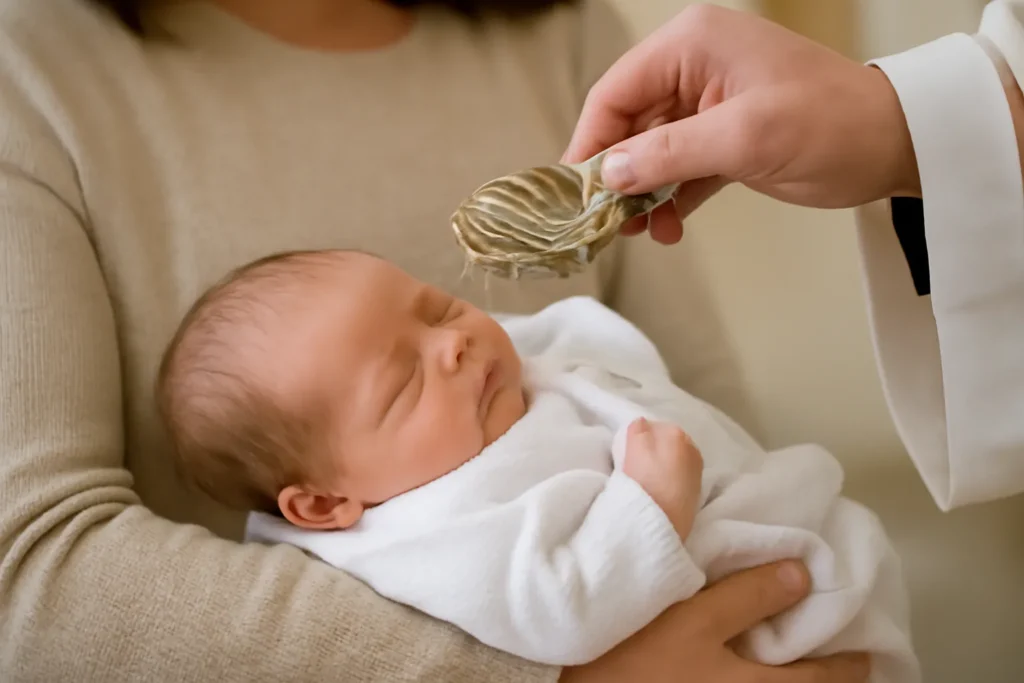
Water rite: water is poured or gently touched on the infant’s head, or the baby may be immersed depending on tradition.
Naming and blessing: the child’s name is announced, and a blessing is pronounced over the child.
Promises by parents and sponsors: parents and sponsors commit to guiding the child in the faith community and to support the family on the spiritual journey.
Instructions or send-off: the congregation may offer a short blessing and a final prayer as the ceremony closes.
Certificate and photos: a baptismal certificate is usually issued and family photos are taken as keepsakes.
After the ceremony
Record-keeping: the baptism is recorded in the church’s records, and sometimes in a diocesan registry, depending on denomination.
Reception and meal: some families celebrate with a small gathering, either within the church facility or at home, to share the moment with loved ones.
Godparent responsibilities: many families discuss ongoing roles for the godparents, such as regular prayer, spiritual guidance, and participation in milestones.
When planning the ceremony, you may also consider practical questions such as timing (morning vs. afternoon), how nearby relatives will travel, and whether to include additional rituals like a blessing over the child’s name or a separate dedication. The key is to honor the tradition you have chosen and to ensure the ceremony remains meaningful for your family.
Timing, eligibility, and practical planning
Every faith community has its own rules about who can be baptized and when. Here are common considerations to help you plan effectively:
Age and eligibility: most traditions baptize infants or very young children, but some require a baptismal class or catechesis for parents or the child’s generation in the future.
Godparents or sponsors: many churches require sponsors to be confirmed members, to be of an appropriate age, and to have a genuine faith commitment. Some traditions also require sponsors to be of a specific gender balance or to have certain denominational alignment.
Attendance of baptismal preparation class: several communities offer or require a class that explains the theology of baptism, the responsibilities of parents and sponsors, and the logistics of the ceremony.
Scheduling: popular dates often fill quickly, so you may wish to book well in advance and consider multiple service times if your family has travel or scheduling constraints.
Documentation: you may need to provide birth certificates, parent IDs, parish residency proofs, and sponsor eligibility documentation.
In addition, there are practical considerations to ensure the child’s comfort and the family’s ease on the day of the ceremony:
Outfit and gear: a special outfit, a baptismal garment, or a simple white garment is commonly chosen in many traditions; plan for temperatures and convenience.
Photography and memory: verify whether photography is allowed during the rite and whether still photos or video recording is permitted.
Reception planning: if you plan a post-ceremony gathering, coordinate with hosts or the church to arrange space and food that suits families with small children.
Celebration alternatives: not all families celebrate with a large event; some opt for a quiet family moment or a small blessing ceremony and a later family meal.
Preparing for the role of parents and the role of godparents
Parents and sponsors play central roles in the baptism process. Thoughtful preparation can reinforce the significance of the rite and help create a loving, supportive spiritual environment for the child.
Raising the child in the faith: commit to instructing your child in core beliefs, practices, and values associated with the faith tradition.
Leading by example: model daily prayer, participation in worship, charitable acts, and responsible conduct.
Continued involvement: maintain engagement with the faith community, attend regular worship, and involve the child in family rituals and service opportunities.
Responsibilities of sponsors or godparents
Spiritual guidance: be a reliable presence in the child’s life, offering mentorship and encouragement in the faith journey.
Regular prayer and support: commit to praying for the child and staying connected with the family in meaningful ways.
Participation in milestones: join in important moments beyond the baptism, such as first communion, confirmation, or other rites of passage, depending on tradition.
Discuss these responsibilities early, and consider establishing a memorable symbol of the sponsor relationship, such as a small gift or a letter to the child to be opened on a future milestone.
Alternatives to newborn baptism: what to consider if you’re unsure
Some families in Christian communities opt for alternatives when infant baptism does not align with their beliefs or values. These options provide meaningful ways to express blessing and spiritual intent without the specific theological framing of baptism. Common alternatives include:
Baby dedication: a public blessing of the child and a declaration by the parents to raise the child in faith, without invoking the sacramental implications of baptism
Blessing ritual: a private or semi-public ceremony offering prayers and blessings for the child and family
Naming ceremony: a non-religious or interfaith option focusing on naming the child and inviting family to support the child’s growth
If you’re exploring these options, talk with spiritual leaders from your preferred tradition to understand what aligns best with your beliefs and family goals. It’s possible to design a meaningful ceremony that honors your values, even if it diverges from traditional infant baptism.
The moment the ceremony concludes, the ongoing relationship between the child, the family, and the faith community begins. A newborn baptism is not merely a one-time rite; it is the start of a journey within a community that can offer nurture, education, and friendship for years to come.
Record and certificate: ensure the baptism is properly recorded in church records and that you receive a baptism certificate for your child’s personal records.
Ceremony memories: photographs, a guestbook entry, or a keepsake from the church can serve as a reminder of the day’s blessings.
Spiritual formation: look ahead to opportunities for catechesis, Sunday school, or family faith activities that help your child learn and grow in the faith.
Community involvement: consider linking your child to a youth or children’s ministry, a choir, or service projects that align with your traditions and values.
For families who follow a sacramental theology, you may also encounter expectations for spiritual growth through participation in subsequent rites such as first communion and confirmation. If your faith tradition includes these steps, discuss timelines and prerequisites with your clergy to create a continuous path for your child.
Practical tips for a smooth, meaningful experience
Whether you are planning a simple ceremony or a more elaborate celebration, these practical tips can help ensure the process is smooth and the experience remains focused on meaning rather than pressure.
Communicate clearly with your church: confirm eligibility, prerequisites, and the expectations for parents and sponsors well in advance.
Check the calendar and venue: consider service length, seating arrangements for families with small children, and any restrictions on photography or attire.
Prepare emotionally: acknowledge that the ceremony can be a mix of joy, emotion, and tradition; plan for yourself and other family members who may be emotional.
Coordinate outfits and logistics: select comfortable clothing for the child, arrange transportation, and plan for a follow-up meal or celebration if desired.
Respect the community’s customs: honor dress codes, reverence during the rite, and the role of the ministers and volunteers who support the day.
Remember that the essence of newborn baptism is not simply the ritual itself but the ongoing relationship among child, family, sponsor(s), and the faith community. Approaching the process with intention, prayer, and curiosity can help you create a lasting, positive memory for your child and your family.
Common questions about newborn baptism
Families often have questions when they begin to explore this rite. Here are concise answers to some of the most frequently asked questions. If you have more questions, speak with your faith leader for guidance specific to your tradition.
Is baptism required for salvation?
The answer varies by tradition. In some faith communities, baptism is understood as essential to the Christian life and a sacramental means of grace. In others, baptism is a public declaration of faith that follows an internal decision. It’s best to consult your church’s teaching and consider your family’s beliefs when making a decision about infant baptism versus an alternative rite.
Many churches accommodate children with health concerns, adapting the rite respectfully. If there are medical concerns, speak with the clergy beforehand to discuss safe and appropriate arrangements. The church may offer a blessing or adjust the ceremony’s elements to ensure the child’s safety and comfort.
Distance is common in modern families. Many churches allow godparents to participate by proxy or via video or other means, especially in non-denominational settings. However, some traditions require the godparents to be physically present for the ceremony. Check your church’s policy and discuss alternatives with the clergy if needed.
What if we miss the traditional window for infant baptism?
Some families delay for personal, medical, or logistical reasons. In many communities, a baptism can be scheduled at a time that is practical for the family and the church, and some traditions offer a rite for a child who is older than infancy with similar elements of blessing and community involvement.
Myths and misconceptions about newborn baptism
Like many religious rites, infant baptism has myths that can create confusion or misperceptions. Here are a few common misunderstandings clarified:
Myth: Baptism guarantees salvation. In many traditions, baptism is a meaningful sacrament or rite, but salvation is understood in varying ways. It is usually paired with personal faith, ongoing spiritual growth, and life in the faith community.
Myth: Only one specific denomination can perform baptism. In reality, different Christian traditions practice baptism according to their own theology, and in some cases, other Christian communities recognize baptisms performed within their own tradition.
Myth: Baptism must occur on a particular date for it to be valid. Validity is typically determined by the church’s sacraments and ceremony, not by the date alone. Timing can be flexible to accommodate families.
Myth: Baptism is purely a private matter. While many families treasure private devotion, baptism is often a public act that invites the faith community to participate in the child’s spiritual upbringing.
Where to begin: next steps for parents
If you are considering newborn baptism, here are practical next steps to help you move forward with clarity and confidence:
Identify your tradition: talk with your partner and your faith community to determine which tradition aligns with your beliefs—Catholic, Orthodox, Protestant, Anglican, Lutheran, or another path.
Reach out to a local church: contact the church or parish, learn about eligibility, and ask for a baptismal preparation meeting or class if required.
Involve the godparents early: discuss expectations, confirm availability, and coordinate with the church’s requirements.
Plan the date and formality: decide whether you want a simple ceremony, a more formal liturgical rite, or a reception afterward.
Prepare for the ceremony emotionally: consider sharing the moment with trusted family and friends, and decide how you want to capture the memory (photos, video, etc.).
Think about naming and blessing beyond baptism: plan for continued spiritual activities, such as naming ceremonies, prayers, or faith-based learning opportunities for your child.
By taking these steps, you can approach newborn baptism with intention and ensure that the rite serves as a meaningful, lifelong anchor for your child and your family.
Conclusion: embracing a sacred moment with care and clarity
Whether you call it infant baptism, baby baptism, or christening, this sacred moment offers a unique way to welcome your child into a faith community and to commit to guiding them in a spiritual journey. The decision to proceed with the rite should reflect your beliefs, your family’s values, and your community’s practices. Regardless of denomination or approach, the essential goal remains the same: to bless the child, to invite the support of a faith community, and to begin a lifelong path of faith, love, and service that grows with your child. If you are at the beginning of this process, approach it with curiosity, humility, and openness, and you will likely find a path that honors both your convictions and the shared human desire to bless and care for the next generation.









Leave a Reply