Isaiah 61:10 Meaning, Devotional Insight, and Hope for Believers
Isaiah 61:10 Meaning, Devotional Insight, and Hope for Believers
The verse commonly known as Isaiah 61:10 sits at a pivotal crossroads in the prophetic literature of the Bible. It speaks with poetic imagery about identity, settlement, and transformation. When readers seek to understand the meaning of Isaiah 61:10, they often encounter themes of joy, salvation, righteousness, and covenant fidelity. This article is designed to explore Isaiah sixty-one verse ten from multiple angles: the literal meaning of the words, the historical and literary context, devotional insights that believers can apply today, and the enduring hope that this verse offers to those who walk in faith. By looking at the verse Isaiah 61:10 says in its original cadence and through contemporary application, readers can gain a richer appreciation for how the text speaks to personal devotion and communal life alike.
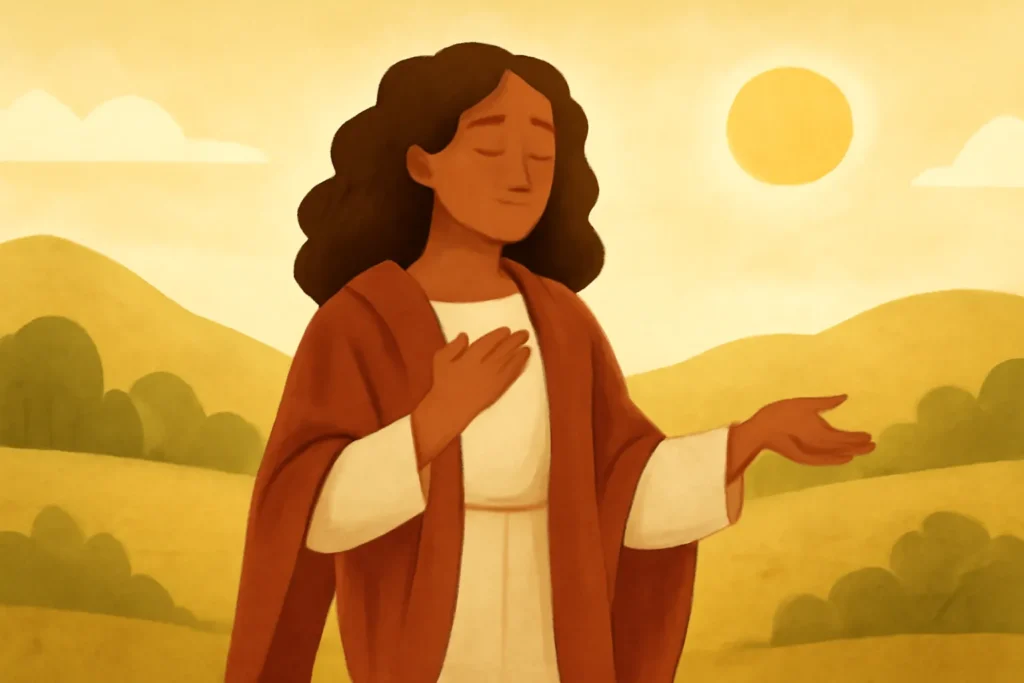
In its core, Isaiah 61:10 narrates a response of joy and an assurance of divine provision. The speaker declares that they will greatly rejoice in the Lord, and that their soul will exult in God, because God has graciously clothed the speaker with the garments of salvation and covered them with the robe of righteousness. The imagery crescendos with a bridal metaphor—like a bridegroom adorning himself with ornaments and a bride adorning herself with jewels—to convey dignity, beauty, and a secure, covenantal ending to a journey of vulnerability and need.
To grasp this passage, it helps to recognize a few semantic anchors that recur across translations and devotional readings. First, the language of clothing as a metaphor for inner transformation is a familiar Biblical pattern. Second, the pairing of salvation garments and a robe of righteousness points to both the reception of divine mercy and the allotment of moral integrity. Third, the bridal pair in the imagery elevates the relationship to the level of covenant fidelity and beauty, suggesting not just personal blessing but communal honor and divine delight. In reading 61:10, readers encounter a statement of confidence: God does not leave the worn and weary uncovered; God gives a dignifying attire for relation with the divine and for life among others.
Different Bible versions render the cadence with slight variation, but the core ideas remain stable. The verse can be understood as a personal testimony of joy, a theological claim about salvation as a garment put on by God, and a poetic scene that invites readers to see themselves through the lens of divine provision. The phrase “I will greatly rejoice in the LORD” sets a posture of worship, while “the clothing of salvation” and “the robe of righteousness” describe a transformative wardrobe granted by grace. These expressions have shaped countless devotional reflections and theological discussions about identity, worth, and obligation for a life grounded in God’s redemptive work.
Literal Meaning and Theological Significance
The literal meaning of Isaiah 61:10 centers on three interwoven ideas: rejoicing in God, transformation by divine action, and adornment that signifies a new social and spiritual status. The prophet’s words function on several levels at once:
Joy as a response to salvation: The speaker’s overwhelming happiness is not a casual sentiment but a profound disposition rooted in what God has accomplished. This rejoicing is both present-tense and anticipatory, signaling a settled confidence in an ongoing, gracious work of God.
Salvation as a garment: The notion of being clothed with the garments of salvation presents salvation not merely as a status but as something that covers, protects, and defines how a person moves through life. Clothing here is tactile and intimate: it touches the skin, shapes behavior, and communicates to others who the wearer now is.
Righteousness as a robe: The robe of righteousness indicates moral integrity bestowed by God. It conveys both the reality of moral standing before God and the invitation to live out that standing in practical ways—justice, mercy, faithfulness, and communal harmony.
Covenant imagery: The bridal language anchors the passage in covenant faithfulness. A bridegroom who adorns himself with ornaments and a bride who dresses herself with jewels illustrate beauty, honor, commitment, and mutual delight in the sacred relationship between God and God’s people.
From a theological perspective, the verse 61:10 affirms that God takes the initiative to dress the believer—first with salvation, then with righteousness—and that this divine action invites a response of praise, trust, and devoted living. The verse does not merely describe a future image; it anchors present worship and future hope in a God who acts decisively for the good of those who belong to the covenant. This emphasis on divine action in salvation and righteousness has been influential in Christian soteriology and in the way believers understand identity and vocation.
Historical and Literary Context
To interpret Isaiah 61:10 with care, it helps to situate it within the larger arc of the Book of Isaiah. Isaiah’s prophecy spans years of upheaval for Israel, including oppression, exile, and the promise of restoration. The immediate literary context of 61:10 is a passage that speaks of consolation, mission, and the coming of the Spirit-filled anointed one who brings good news to the afflicted. The language of comfort and renewal is woven into a wider message about God’s faithfulness despite circumstances that might seem discouraging.
The broader historical setting includes themes of captivity and return—key motifs in the book’s middle section. The prophet’s message reframes hardship as a context in which God can demonstrate power through mercy. The verse’s imagery of clothing salvation and righteousness aligns with other prophetic strands that depict a transformed people who live out the ethical demands of a restored relationship with God. In this sense, the verse Isaiah 61:10 is not isolated; it resonates with the prophetic expectation of a gracious king, a renewed community, and a form of joy that arises from being known and chosen by God.
From a literary standpoint, the bridal motif in this verse links to ancient Near Eastern wedding conventions, where garments and adornments carried significant social and symbolic weight. The pairing of the groom’s ornaments and the bride’s jewels emphasizes mutual honor and celebration within the covenant. This symbolic framework helps readers today see the verse as a statement about how divine action transforms both individual identity and communal life. Thus, the historical and literary contexts deepen the meaning of 61:10, showing it as a richly layered text that invites interpretation across cultures and generations.
Devotional Insight: How Isaiah 61:10 Speaks to the Believer
Garments of Salvation: Understanding Spiritual Identity
One of the most striking images in Isaiah 61:10 is the idea of being clothed with salvation. In devotional reading, this phrase invites believers to reflect on how God’s saving work defines who they are. Salvation is not merely a moment in the past; it is a present experience that shapes daily life. When the verse speaks of clothing, it suggests that the believer’s identity is covered, protected, and renewed by divine mercy. A practical takeaway is to consider how spiritual garments influence choices, attitudes, and conduct: Do I live in a way that mirrors the security and dignity granted by salvation? Do I extend that sense of blessed covering to others through compassion, justice, and mercy?
For many readers, the image of salvation as clothing also helps counter feelings of unworthiness. If God has dressed the believer in salvation, then the church and the family of faith can honor that new garment by offering support, accountability, and encouragement that helps people walk in freedom rather than in shame. The concept of being clothed with salvation thus becomes a practical invitation to embrace grace, to resist guilt-driven living, and to cultivate a grateful, confident spirit that rests in the certainty of God’s saving work.
Robe of Righteousness: Living in Moral Integrity
The robe of righteousness speaks to a life ordered by divine standards and empowered by divine grace. Devotional reflection on this line invites believers to consider how righteousness is not merely a theoretical label but a lived reality. It includes daily decisions to act with honesty, humility, and justice; to pursue reconciliation rather than retaliation; and to steward resources, influence, and power in ways that honor God. The robe is not a burden but a covering that enables courageous living in a complex world. When believers wear this robe, they can face difficult circumstances with fidelity, knowing that their standing before God is secure and that their actions have communal significance.
In practice, embracing the robe of righteousness can manifest as acts of service, ethical discernment, and a posture of peacemaking. It also calls believers to accountability within community: to confess, repent when necessary, and lean on one another for support as they seek to embody a life marked by integrity and grace. The idea is not perfection without failure, but a trajectory of growth that aligns a person’s inner life with outward conduct, all grounded in the grace that the verse proclaims as God’s gift.
The Bride Imagery: Adornment in Covenant Relationship
The bridal imagery in Isaiah 61:10 adds a relational depth to the theological ideas of salvation and righteousness. A bride and groom as a paradigm of mutual delight and covenant fidelity speaks to intimate trust between God and God’s people. The adornment mentioned in the verse—groom’s ornaments and bride’s jewels—signifies beauty, honor, and a life united in purpose. Devotional readers can draw encouragement from this imagery by recognizing that their relationship with God is not distant or abstract but intimate and dynamic. They are welcomed into a wedding-band relationship where God’s presence and provision surround them with beauty and meaning.
From this perspective, the verse invites believers to cultivate spiritual vitality that mirrors the covenantal joy described in the bridal scene. It suggests that worship, prayer, and communal life should be occasions for recognizing and celebrating the divine gift of belonging to God. The bride imagery also emphasizes preparedness—being ready to receive, reflect, and return God’s love through acts of faithfulness in daily life. In sum, the bridegroom’s adornments and the bride’s jewels are poetic representations of a transformed life that is ready for divine relationship and earthly mission alike.
Variations and Translations: Reading Isaiah 61:10 Across Versions
Across translations, the essential message remains stable, but the cadence and emphasis can shift. Here are some helpful variations that offer semantic breadth while preserving the core meaning of Isaiah 61:10:
“I will greatly rejoice in the LORD”—the opening declaration of exuberant worship, highlighting joy as the immediate response to God’s action.
“my soul shall exult in my God”—an emphasis on inner life, emotion, and personal devotion that resonates with contemplative disciplines.
“for he hath clothed me with the garments of salvation”—the central metaphor of clothing as a sign of divine intervention and grace.
“he hath covered me with the robe of righteousness”—a focus on moral identity and the divine provisioning of righteous status.
“as a bridegroom decketh himself with ornaments, and as a bride adorneth herself with jewels”—a vivid, covenantal image that anchors communal joy, beauty, and fidelity.
These variations are not merely stylistic. They illuminate different facets of the same theological truth: God acts first to save and to dress the believer in righteousness; in response, the believer offers worship, trust, and ethical living. For readers who study English translations, noting how words like rejoice, exult, garments, and robe are rendered in parallel passages can deepen understanding of how the text communicates meaning across linguistic layers.
Scholars also point to the verse’s place within the broader prophetic tradition that connects personal piety with social justice. When the image of salvation garments is paired with righteousness robes, the reader is invited to see how inner devotion and outward conduct reinforce one another. The variations across translations thus provide a richer tapestry for devotional meditation and exegesis, revealing a robust, multi-dimensional message rather than a single line of verse.
Hope for Believers: Practical Implications and Applications
For contemporary believers, Isaiah 61:10 offers a robust framework for hope and action. Here are practical implications that flow from the central ideas of the verse:
Days of hardship are not the end of the story: The declaration of joy in the Lord positions suffering within the larger narrative of salvation and divine care. When life feels burdensome, the verse invites a posture of trust that God’s saving work continues to shape present reality.
Identity is defined by God’s action, not human achievement: The garments of salvation and the robe of righteousness indicate that worth comes from God’s gracious act, not from worldly credentials. This can be a liberating reminder for people who measure themselves by performance or comparison.
Worship as a natural response: The phrase “I will greatly rejoice” suggests that gratitude and praise become spontaneous and courageous responses to God’s saving work, even amid uncertainty.
Righteous living is a communal vocation: The garment imagery extends to how believers relate to neighbors, families, and communities. Living with integrity, justice, and mercy becomes a visible sign of the transformative power of God’s outfits—salvation and righteousness—on display.
Covenant identity fuels hopeful mission: The bridal imagery reframes life as a partnership with God. This opens space for mission, service, and hospitality that reflect a deep trust in the divine plan and a readiness to participate in it.
In addition to these general implications, some readers find it helpful to anchor the verse to daily rhythms—prayer, worship, acts of service, and opportunities for reconciliation. The hope embedded in Isaiah 61:10 is not passive optimism but a confident expectation that God’s salvation and righteous life are accessible now and will be consummated in the future. For many, this produces a resilient faith that can endure disappointment while remaining hopeful about God’s steadfast love and faithfulness.
Prayerful Reflection and Meditation on Isaiah 61:10
Engaging with Isaiah 61:10 through prayer can deepen a believer’s sense of being known by God and called to a life of faithful witness. Here is a simple guided reflection that can be used individually or in small groups:
Begin with a short prayer of gratitude, acknowledging God’s salvation and the gift of a new identity.
Reflect on the imagery of clothing: What does it mean that God has clothed me with salvation in this season of life?
Consider the robe of righteousness: How can I live today with greater integrity, justice, and mercy in my relationships and responsibilities?
Contemplate the bridal imagery: In what ways can I nurture a covenantal relationship with God—trust, faithfulness, and joy in the presence of the divine?
Close with a concrete action plan, such as choosing one act of kindness, one confession to seek forgiveness, or one step toward reconciliation in a challenging relationship.
Many readers find it helpful to keep a short journaling prompt beside this passage: “What does salvation wearing look like in my work, family, and community today? How does my joy in the Lord shape how I respond to others?” The practice of meditating on 61:10 in this way can sustain a hopeful mindset, especially during seasons of trial or uncertainty.
Concluding Thoughts
In summary, Isaiah 61:10 remains a powerful and multi-faceted statement about God’s gracious acts and their effect on human life. The verse affirms that God’s saving work is not merely a distant doctrine but a present reality that clothes believers with dignity, hope, and a renewed sense of purpose. The pairing of salvation garments with the robe of righteousness offers a clear pathway for understanding how faith translates into daily living: a life marked by joy, integrity, and covenant fidelity. The bridal imagery further enriches this vision by portraying the intimate and joyful relationship between God and those who belong to Him, a relationship that shapes worship, identity, and mission in the world.
Readers who engage with the sixty-first chapter, verse ten—in its various translations and in conversation with the wider canon—will likely find a broadened sense of hope that transcends momentary circumstances. The core promise—that God equips and adorns the faithful for a life of worship and righteousness—speaks to believers across generations, cultures, and traditions. As you contemplate Isaiah 61:10, may you experience renewed confidence in God’s saving work, a deeper commitment to living out righteousness, and the joy that comes from knowing you are clothed in the divine graciousness that never fails.











Leave a Reply